Explore expert insights from HealthStream on healthcare compliance, credentialing, clinical education, scheduling, and leadership. Find practical guidance to help healthcare organizations train, retain, and support their workforce.
Practical insights on healthcare compliance, workforce development, and clinical education from the experts at HealthStream.
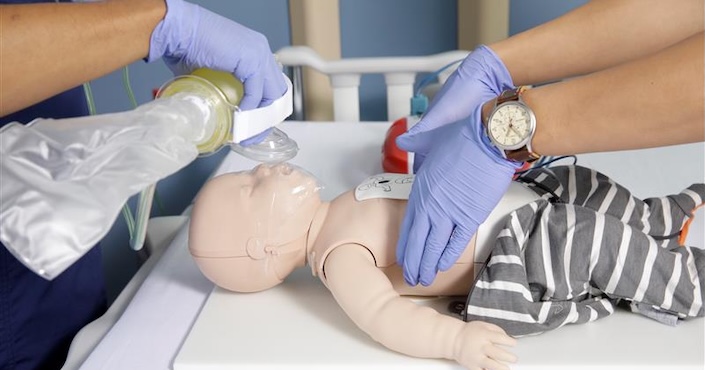
Improve neonatal outcomes with targeted training. Explore the key components of effective neonatal resuscitation training programs to enhance newborn survival.
Bringing a new life into the world is a profound responsibility. For healthcare workers, the minutes immediately following a birth offer a critical window to make a life-saving impact. Providing effective, timely care is crucial to newborn survival. The right training prepares your perinatal and neonatal teams for these high-stakes moments.
By equipping clinicians with the exact skills they need, you give every newborn the best possible start in life. Aligning clinical practice with advanced training methods ensures a high standard of patient care and empowers your staff to handle emergencies with clarity and precision.
Traditional training methods often fall short when it comes to preparing clinical teams for the realities of a neonatal resuscitation event. Simply knowing the correct clinical steps is not enough; teams must be able to execute those steps together, under pressure, and in real time. And because these events are infrequent, it can be difficult for clinicians to maintain critical skills between emergencies. Effective teamwork and clear communication are essential to a successful resuscitation, but standard classroom-based education struggles to replicate these scenarios.
A modern training approach addresses these challenges directly by closing the gap between theory and practice, helping teams coordinate more effectively and respond with confidence when seconds matter.
To truly enhance clinical competencies and improve patient outcomes, facilities need comprehensive neonatal resuscitation training programs. The most successful education models share several foundational elements. Healthcare leaders should look for these specific characteristics when evaluating their clinical development strategies.
A blended learning model combines self-paced online coursework with hands-on skills practice. This approach allows clinicians to learn foundational knowledge at their own pace. When they gather for in-person sessions, they can focus entirely on practical application and team coordination. Blended learning respects the busy schedules of clinical staff while reinforcing knowledge more effectively than a single, one-time class. It provides a flexible path to competency that minimizes disruption to daily hospital operations.
Realistic, hands-on simulations prepare teams to work together seamlessly in high-stress environments. Practicing on advanced manikins helps staff internalize processes so their physical responses become second nature. Following the simulation, structured debriefing sessions are essential. These conversations allow teams to discuss what went well and identify areas for improvement in a safe, constructive space.
This cycle of practice and reflection fosters a culture of continuous quality improvement and peer support. It also builds the critical communication skills needed during a real neonatal emergency.
The best education strategies are built on a foundation of current, evidence-based practices. Training that aligns with the latest scientific guidelines from authoritative bodies ensures the highest standard of care. This commitment to quality and patient safety is exactly what healthcare leaders look for to achieve better compliance and care outcomes. Consistent, evidence-based learning helps reduce staff turnover by ensuring employees feel competent and well-supported in their roles.
HealthStream has partnered with the American Red Cross to offer a modern, comprehensive program that sets a new standard for resuscitation education. You can read more about this partnership and their market-leading Resuscitation Suite.
The resulting Neonatal Advanced Life Support (NALS) program delivers a consistent, evidence-based curriculum designed for the entire care team. NALS uses a blended learning approach that combines online coursework with hands-on, instructor-led training. This ensures your staff receives the highest quality education tailored to real-world scenarios. To understand how this impacts your facility, watch our webinar on NALS that details a new era in neonatal care.
Excellence in neonatal care extends well beyond the delivery room. A truly effective program supports staff through all phases of care for vulnerable newborns. Post-resuscitation stabilization and pre-transport care are just as important as the initial intervention.
To support this continuum of care, The S.T.A.B.L.E. Program serves as a key component of post-resuscitation education. It focuses exclusively on the post-resuscitation and pre-transport stabilization care of sick infants. By partnering with HealthStream, you gain access to a full suite of solutions for comprehensive neonatal education.
Investing in targeted, modern training is a direct investment in newborn survival. By equipping your perinatal care teams with the best educational resources, you empower them to act with confidence and clinical competence. This directly leads to better outcomes for newborns and increased satisfaction among your staff.
Learn how the Neonatal Advanced Life Support program can help your organization improve team performance and patient outcomes.

Learn how staffing shortages, rising data demands and automation are reshaping medical staff credentialing in 2026, and how to improve efficiency.
Medical staff credentialing has become a strategic operational priority for hospitals, with far-reaching implications beyond regulatory adherence. As healthcare organizations navigate tighter labor markets and increasing patient demand, credentialing decisions now influence patient access to care, the pace of provider onboarding, and organizational revenue.
Drawing on insights from more than 670 medical services professionals nationwide, our 2026 Trends in Medical Staff Credentialing report shows an operating environment defined by expanding workloads of medical services professionals (MSPs), persistent staffing shortages, and increasing pressure to modernize systems and workflows.
This article explores how these trends will shape credentialing in 2026 and what hospital leaders need to know to strengthen the quality and efficiency of their credentialing operations.
As healthcare organizations navigate tighter labor markets and increasing patient demand, credentialing decisions now influence patient access to care, the pace of provider onboarding, and organizational revenue.
As healthcare delivery expands across multiple facilities, service lines, and care settings, healthcare credentialing has become more complex and more visible. In addition to regulatory standing, credentialing quality now affects the provider experience, operational readiness, and financial performance.
Healthcare credentialing is the formal process used to verify a clinician’s education, licensure, training, experience, and professional history before granting approval to practice. Our report highlights a growing recognition that the credentialing process healthcare leaders rely on plays a measurable role in time-to-onboard, provider engagement, and access to care, particularly as organizations work to shorten provider onboarding timelines and reduce revenue delays.
Healthcare credentialing is the formal process used to verify a clinician’s education, licensure, training, experience, and professional history before granting approval to practice.
Credentialing confirms that a provider meets baseline qualifications, while privileging defines the specific procedures or services that provider is authorized to perform. Clear alignment between these activities is essential for maintaining healthcare compliance, supporting enterprise standardization, and reducing variability across facilities, especially in multi-hospital systems.
Our report shows that credentialing quality affects provider recruitment and retention, patients’ access to care, organizational reputation, and financial performance.
While internal satisfaction among MSPs remains high, the data also points to a gap in how organizations evaluate success. Only about one-quarter of organizations collect feedback from providers about their credentialing experience, suggesting that internal confidence may not always reflect provider perceptions. The report emphasizes the value of measuring both operational outcomes and provider experience to fully understand credentialing performance.
Only about one-quarter of organizations collect feedback from providers about their credentialing experience, suggesting that internal confidence may not always reflect provider perceptions.
Organizations are increasingly using technology to streamline credentialing processes and reduce manual effort. Digital platforms, automation, and emerging artificial intelligence (AI) capabilities are being explored to support verification, workflow management, and cycle-time reduction.
The report notes that while interest in AI is growing, adoption remains uneven. Organizations that are already using credentialing platforms with built-in AI features report higher satisfaction with credentialing quality than those still evaluating or considering these tools. At the same time, concerns about data quality, accuracy, and regulatory compliance continue to slow broader adoption, underscoring the need for informed, well-regulated implementation of new technologies.
Staffing shortages remain the most significant barrier to improvement in credentialing operations. Leaders identified limited staffing capacity as the primary obstacle to progress across multiple areas, including process improvement, provider data management, and enterprise standardization.
Recruitment challenges are driven by a lack of experienced and skilled candidates. The report highlights that ongoing staffing pressure contributes to delays, increased burnout risk, and constrained improvement efforts, even as workload expectations continue to expand.
Staffing shortages remain the most significant barrier to improvement in credentialing operations.
The report makes clear that application volume alone does not capture the true scope of MSPs’ work. In addition to handling initial and recredentialing files, MSPs manage onboarding coordination, provider data governance, privileging oversight, compliance activities, and enterprise initiatives such as centralization and standardization.
Focusing solely on file counts risks underestimating workload intensity and resource needs. Even in organizations where per-FTE file volumes are moderate, staffing constraints remain, indicating that workload pressure stems from the range and complexity of MSP responsibilities, not just application numbers.
Credentialing processes often depend on manual handlings and provider data housed in multiple, unconnected places, leading to repeated information requests and unnecessary delays. These inefficiencies delay onboarding, limit patient access, and affect revenue.
The report points to several areas where efficiency gains are possible, including broader use of digital applications, more consistent application handling, and reassessment of verification practices. One potential time saver in question is whether verifying data for a provider since their residency or fellowship even though they have been in practice for decades yields proportional value. Evaluating internal practices such as these offers organizations a practical opportunity to reduce administrative burden and improve turnaround times.
Despite progress, credentialing remains labor-intensive. Persistent reliance on manual steps limits scale and increases burnout risk for already-strained teams.
Incomplete or inconsistent provider data continues to delay onboarding and verification. Leaders are increasingly evaluating credentialing process optimization initiatives to improve accuracy and prevent unnecessary repetition.
Although application counts vary widely, file volume reflects only part of the workload for MSPs. Leaders should assess overall capacity, not just application volume, when planning staffing and technology investments.
Multi-state practice models, telehealth growth, and evolving regulations require more adaptable credentialing frameworks, especially for organizations operating across multiple facilities.
Organizations prioritizing automation report stronger process-improvement outcomes, especially around reducing initial and re-credentialing timelines.
Tracking onboarding time, verification timelines, and application completeness supports accountability and reveals opportunities for targeted improvement — central components of best practices for healthcare credentialing.
Technology alone cannot close capacity gaps. Sustained investment in the development of MSPs and data governance frameworks remains essential as roles continue to expand.
The data from our 2026 Trends in Medical Staff Credentialing report reinforces a clear message: credentialing is a strategic asset when supported by the right mix of people, processes, and technology. Hospital leaders managing healthcare credentialing should focus on three priorities: modernizing systems, addressing staffing constraints, and improving data standardization.
Credentialing is a strategic asset when supported by the right mix of people, processes, and technology.
Organizations that invest in credentialing automation tools strengthen visibility across workflows and recognize the full scope of MSP responsibilities will be best positioned to reduce risk, improve onboarding speed, and support sustainable growth. As credentialing continues to evolve, leaders who treat it as an enterprise capability — not just a compliance task — will gain measurable operational and financial advantages.

A student-friendly guide to allied health jobs, professions, and how clinical placements work in real healthcare settings.
SUMMARY
This guide explains what allied health careers are, the types of roles included, and how clinical placements work. It walks prospective students through what to expect before, during, and after clinicals, including requirements, supervision, and evaluation. The goal is to help readers understand the clinical experience and prepare for the transition into an allied health career with confidence.
If you’re interested in a healthcare career but don’t plan on becoming a nurse or physician, there are many other rewarding paths to consider. One of the largest segments of the healthcare workforce is allied health — a broad category of healthcare professionals who support patient care through diagnostics, treatment, rehabilitation, and other essential services.
Allied health can offer a practical and accessible entry point to a healthcare career. Training pathways are often more focused and efficient, allowing students to build and begin using job-ready skills in a shorter timeframe while still making a meaningful impact on patient care.
One of the most commonly discussed and confusing parts of pursuing an allied health career is the clinical placement, or clinical. Clinicals are hands-on experiences where classroom learning meets real-world application. Questions about how they work can leave prospective students unsure of how to prepare.
This guide explains what allied health is, the types of careers available, and how clinicals work. Keep reading to know what to expect and how to prepare.
Allied health refers to healthcare professionals who are not physicians, nurses, or advanced practice clinicians, but who still play a vital role in patient care. They provide diagnostic, technical, and therapeutic services across a wide range of settings, including hospitals, clinics, rehabilitation centers, and laboratories. While responsibilities vary, allied health professionals share a common goal: supporting patient care through their specialized expertise.
According to the National Society of Allied Health, these professionals make up as much as 60% of all healthcare roles. As demand for healthcare services continues to grow, so does the need for allied health professionals — creating a wide range of opportunities for students to pursue meaningful, in-demand healthcare careers.
Allied health includes a range of jobs that support patient care across specialties, settings and stages of treatment. In the United States alone, more than 5 million professionals work in allied health roles spanning dozens of distinct occupations.
Common careers in this field include audiologists, medical assistants, medical laboratory technicians, respiratory therapists, occupational therapists, therapy assistants, pharmacy technicians, and surgical technologists.
These roles are often grouped into three broad categories based on function. Diagnostic professionals, such as laboratory and radiology specialists, focus on identifying conditions through testing and imaging. Therapeutic roles, including physical therapy or speech-language pathology, center on treatment and rehabilitation. Support roles, such as medical assistants and physical therapy assistants, help coordinate care, assist providers, and ensure patients receive consistent services throughout the treatment process.
Because allied health is so diverse, it offers options for a variety of interests and strengths. Students who enjoy hands-on patient interaction may gravitate toward therapeutic roles, while those interested in technology or data may prefer diagnostic careers. Support roles can offer a balance of patient contact and organizational responsibility.
Job outlook may also influence your career decisions. The National Center for Health Workforce Analysis projects shortages in several allied health fields through 2037. Roles such as cardiovascular technicians, respiratory therapists, and occupational therapy assistants are expected to see particularly strong demand.
Clinicals are an essential part of allied health education, giving students the opportunity to apply classroom learning in real-world healthcare environments. Also referred to as practicum, or fieldwork, these experiences are designed to bridge the gap between education and professional practice.
During a clinical, you’ll build both technical and professional skills. In addition to practicing clinical techniques, you’ll develop communication skills, learn how to interact with patients and other members of the healthcare team, and gain a better understanding of workplace expectations in a healthcare setting.
By the end of a clinical, most students have a clearer sense of their role, stronger practical skills, and greater confidence in their ability to contribute in a healthcare environment.
Clinicals take place in a variety of healthcare settings, including hospitals, outpatient clinics, rehabilitation centers, and community health organizations. The specific setting will depend on your program and area of study.
During your clinical, you’ll work under the supervision of experienced professionals called preceptors who guide your learning and help ensure patient safety. Many clinicals begin with observation, then shift toward more active participation as your skills and confidence grow.
Depending on the setting, you’ll also gain exposure to how healthcare teams collaborate. Allied health professionals often work alongside physicians, nurses, and other specialists, and clinicals offer opportunities to participate in this team-based approach to patient care.
The length of clinical rotations varies by discipline and program. An international review found that clinicals can range from as little as a few weeks to as long as 52 weeks, with an average of about 10 weeks.
The good news is you don’t need to find a clinical rotation on your own. These are usually coordinated through your school, which maintains affiliations with clinical sites. It’s a good idea to check with your school early to understand which sites are available and how clinicals are assigned.
If you’re interested in a clinical rotation at a specific organization, you can also ask whether your program already has an agreement in place or if a new affiliation can be established. Keep in mind that setting up a new agreement can take time, or may not be an option.
Most clinical sites require students to complete a set of onboarding steps before starting their placement. Specific requirements will vary by organization, but you can expect to provide proof of immunizations and certification in Basic Life Support, and to undergo a background check and drug screening. You may also need to sign a confidentiality agreement, acknowledge workplace policies, such as dress code and social media guidelines, and complete site-specific training, such as learning how to use the organization’s electronic health record.
Your program will typically guide you through what’s needed, but staying organized and completing each step on time can help avoid delays in starting your clinical.
No matter what allied health career you’ve chosen, clinicals are designed to help you demonstrate what you know in a real-world setting.
During your rotation, you’ll be guided by a preceptor who is already an experienced allied health professional. Preceptors are approved by your program and are responsible for mentoring you, providing feedback and evaluating your progress throughout the experience.
Expectations during your clinical will go beyond technical skills. You’ll be expected to arrive on time, follow site policies, maintain patient confidentiality, and communicate effectively and respectfully with patients and other members of the healthcare team. As you gain experience, you may be given more responsibility, but always within the scope of your training and under appropriate supervision.
Evaluation methods vary by program, but will most likely include a combination of skills evaluations, competency checklists, and performance reviews. You’ll be assessed on your ability to perform specific clinical tasks, follow safety protocols, and demonstrate professionalism in a healthcare environment. Some programs may require personal reflective assignments to help measure your overall readiness for practice.
While specific requirements and evaluation methods differ by school and clinical site, the goal is consistent: to ensure you are competent, confident, and ready to transition from student to allied health professional.
The length of clinical rotations varies by program and specialty. Some may last a few weeks, while others extend over several months.
Most allied health programs require clinical hours or hands-on training as part of graduation requirements. These experiences are essential for developing practical skills and may be necessary to meet certification or licensing standards. Students might not be able to graduate without completing the required clinical experiences.
Many students find the transition to clinicals challenging, especially when it comes to adjusting from theory to practice, building confidence in real-world settings, and managing time, feedback, and professional expectations.
If you’re struggling, your preceptor or instructor will usually start by helping you identify specific areas for improvement and offering guidance to support your progress. If concerns persist, your program may require additional training or repeating part of the clinical rotation.
If you’re having difficulty, communicating early and being open to feedback can make a meaningful difference in your outcome.
Yes, many allied health programs include clinicals in different settings to provide a broader range of experience. You might rotate through environments such as hospitals, outpatient clinics, rehabilitation centers, or laboratories, depending on your program.
While most clinicals are pre-assigned, you may have the opportunity to express preferences or explore different settings — especially if you’re still deciding which path fits best. If you’re curious about gaining experience in a particular clinical setting, it’s worth discussing your interests with your program early.
Clinicals play a central role in preparing allied health students for the workforce. From meeting pre-placement requirements to completing hands-on rotations, the entire process is designed to prepare you for the realities of the career.
By understanding how clinicals work and what’s expected of you, you can approach the experience with confidence and focus on what matters most: building the skills and experience you’ll carry into a rewarding healthcare career.

Learn how modern staff scheduling software for nurses can optimize staffing levels, reduce overtime, and improve retention to significantly lower labor costs.
KEY TAKEAWAYS
Labor remains one of the largest expenses for healthcare organizations across the country. Balancing optimal staffing levels with tight budget constraints is a constant challenge, especially when patient demand fluctuates daily. Nurse administrators must address financial realities without compromising on patient care delivery.
Implementing staff scheduling software for nurses serves as a critical tool for controlling and reducing these significant labor costs. This software helps healthcare facilities achieve substantial savings by optimizing staff levels, reducing unnecessary overtime, lowering reliance on agencies, and improving overall nurse retention.
Traditional scheduling methods using spreadsheets and paper schedules are no longer viable in modern healthcare. These approaches are inherently inefficient and carry hidden costs that drain organizational resources.
Manual processes demand a significant amount of time from nurse managers, pulling them away from patient care and team leadership. The time-consuming nature and potential for errors in manual scheduling create a ripple effect of increased expenses.
Poor visibility in manual systems frequently leads to last-minute staffing gaps, forcing managers to fill these holes with costly overtime pay or premium-rate agency nurses. Additionally, inflexible and unfair manual schedules contribute directly to increased nurse burnout and high turnover rates, and replacing experienced staff carries substantial financial consequences for the facility. You can further explore this subject in this guide to smarter healthcare workforce scheduling.
Modern scheduling tools offer specific, actionable ways to directly impact your bottom line.
Efficient deployment of existing staff has become increasingly important as workforce shortages persist. According to the 2026 NSI National Health Care Retention and RN Staffing Report, the national registered nurse (RN) vacancy rate remained at 9.6% in 2025, with a third of hospitals reporting vacancy rates of more than 10%. This means that many organizations cannot simply hire their way out of staffing challenges.
According to the 2026 NSI National Health Care Retention and RN Staffing Report, the national RN vacancy rate remained at 9.6% in 2025, with a third of hospitals reporting vacancy rates of more than 10%, meaning many organizations cannot simply hire their way out of staffing challenges.
Aligning staffing levels more closely with patient demand can help organizations make better use of limited labor resources while controlling unnecessary labor costs. Data and predictive analytics allow organizations to adjust staffing levels directly alongside patient census and acuity. This data-driven approach helps prevent costly overstaffing during lulls and dangerous understaffing during peak times. Staff scheduling software for nurses ensures equitable assignments while supporting staff with objective, real-time data. Understanding how to align staff, schedules, and patient demand helps facilities maintain operational efficiency without sacrificing quality of care.
Automated scheduling solutions provide managers with real-time dashboards that flag nurses approaching their overtime thresholds. Managers can use the system to proactively offer open shifts to part-time or per-diem staff first, preventing the facility from paying premium overtime rates unnecessarily. They can also set automated rules to ensure the fair and equitable distribution of overtime when it cannot be avoided.
The financial impact of agency staffing can be substantial. A 2024 U.S. Government Accountability Office review found that average RN labor costs increased by 53% to 266% for supplemental nurses between 2019 and 2022, compared with increases of 14% to 45% for employed nurses. By helping organizations fill open shifts with qualified internal staff instead of agency personnel, scheduling software can help contain one of healthcare's fastest-growing labor expenses.
A 2024 U.S. Government Accountability Office review found that average RN labor costs increased by 53% to 266% for supplemental nurses between 2019 and 2022, compared with increases of 14% to 45% for employed nurses, illustrating the financial impact of agency staffing.
Creating and managing internal float pools is a more cost-effective solution than relying on external staffing agencies. Staff scheduling software for nurses allows health systems to build internal float pools easily. The software instantly broadcasts open shifts to all qualified internal staff via a mobile app, filling vacancies quickly from within your own ranks. This empowers nurses to pick up extra shifts easily, boosting their income and job satisfaction while saving the organization from paying high agency fees. Solutions like ShiftWizard help teams focus on patient care rather than chasing down open shifts.
Automating schedule creation, communication, and management saves nurse managers countless hours each week. Reclaiming this time allows leaders to focus on high-value activities such as clinical leadership, staff development, and quality improvement initiatives, rather than paperwork. Empowering managers with the right tools transforms how a department functions.
Features like self-scheduling, easy shift swapping, and mobile schedule access give nurses greater control over their work-life balance. This empowerment and flexibility connect directly to higher job satisfaction and improved morale. Retaining satisfied nurses is a key driver of long-term financial health for healthcare systems. Lowering nurse turnover directly cuts massive labor costs associated with recruiting, hiring, and training replacement staff. Fostering a supportive environment aligns with the broader mission of using healthcare workforce management solutions to engage and retain your best people.
Optimizing your scheduling process can lead to significant cost savings and revenue boosts across the organization. Building a strong business case for investing in a scheduling solution requires understanding both the costs and the returns.
The combined financial and operational benefits create a more resilient healthcare environment and contribute to the overall return on investment (ROI).
Transitioning away from outdated manual processes requires a partner who understands the complexities of clinical environments. HealthStream is a trusted partner for over 5,000 healthcare organizations and is ranked number one in healthcare software. Our unified healthcare workforce management ecosystem is designed specifically to meet the unique needs of clinical teams.
ShiftWizard stands out as a premier offering in this space. It’s the only healthcare scheduling solution with certified Workday integration. It features a user-friendly mobile app, real-time visibility, and advanced forecasting capabilities. These tools are designed to reduce costs and ease the burden on scheduling teams.
For large-scale enterprises, ANSOS is a healthcare staff scheduling solution that provides the structure needed to handle complex environments. It is built to manage the intricacies of scheduling across multiple facilities while ensuring strict regulatory compliance at every level.
Manual scheduling is an expensive, outdated practice that hurts the financial bottom line and staff morale. Implementing modern staff scheduling software for nurses is a strategic investment that yields a significant return. It optimizes staffing levels, controls overtime and agency spending, and boosts overall nurse retention. Healthcare leaders must protect their budgets and support their teams by adopting an intelligent, user-friendly scheduling solution. Discover how to schedule smarter and empower your nursing workforce to thrive.
It helps healthcare organizations reduce overtime, limit agency staffing, improve workforce utilization, and automate scheduling tasks.
Yes. Automated tools alert managers to potential overtime before it occurs, making it easier to fill shifts without incurring premium labor costs.
It helps organizations fill open shifts with qualified internal staff through float pools, shift marketplaces, and real-time scheduling visibility.
The largest savings typically come from reduced overtime, lower agency utilization, improved staffing efficiency, and less administrative time spent creating schedules.
Track changes in overtime costs, agency spending, staffing efficiency, and the number of hours managers spend on scheduling activities.
Look for self-scheduling, shift swapping, mobile access, forecasting tools, overtime monitoring, float pool management, and automated schedule creation.

Discover how AI-powered training and interoperability create personalized learning experiences that improve skill retention and strengthen your workforce.
SUMMARY
Traditional clinical training is often generic, time-consuming, and quickly forgotten. AI-based training targets individual needs with short, timely learning and uses shared data across systems to keep training relevant to day-to-day practice.
KEY TAKEAWAYS
Developing clinical skills of providers is a constant priority for healthcare organizations. Leaders face ongoing pressure to maintain a highly competent and prepared workforce, but conventional training approaches struggle to keep pace with the demands of modern care delivery. This lag often leads to knowledge gaps and inefficient use of time, which can affect patient outcomes.
Traditional training models rely heavily on broad education sessions that don’t account for individual experience levels. Nurses and other clinical staff spend valuable hours away from patient care to complete modules that may not address their specific needs. We understand the heavy burden this can place on healthcare leaders who must balance staff development with strict budget targets and evolving regulations.
There is a more effective solution to these systemic issues: artificial intelligence (AI) makes learning more personal, adaptive, and impactful. By combining intelligent systems with interoperability in healthcare, organizations can help professionals learn faster and retain skills longer. This guide explores how using AI in healthcare training changes the training landscape to support clinical skills growth and improve operational efficiency.
By combining intelligent systems with interoperability in healthcare, organizations can help professionals learn faster and retain skills longer.
Relying on generic education strategies presents obstacles for healthcare systems, including:
Generic modules do not account for individual experience levels or learning styles. A veteran nurse and a recent graduate often receive the exact same educational material. This lack of personalization leads to disengagement and wasted effort.
Long, infrequent, training sessions are easy for staff to forget if they aren’t immediately able to apply the knowledge. Without continuous reinforcement, these comprehensive sessions fail to produce lasting clinical competencies.
Classroom-based education and lengthy online courses take clinicians away from patient care. They are also costly to administer and strain tight budgets.
Theoretical knowledge does not always translate directly to real-world clinical practice. Professionals need hands-on, contextual learning opportunities to confidently apply new protocols and procedures.
Although these challenges can prevent clinical staff from reaching their full potential, they’re entirely solvable with the right tools.
AI fundamentally changes the healthcare training landscape by focusing on personalization and efficiency. Instead of pushing the same content to every employee, modern technology can create a custom pathway for each individual.
Intelligent systems analyze an individual's performance data, identify their specific knowledge gaps, and recommend content to address those exact areas. This targeted approach ensures that staff spends their time focusing on the skills they need to improve, shifting training from a passive delivery of information to an active, adaptive learning experience. This approach respects a clinician's time by removing unnecessary repetition and improving overall engagement and outcomes.
This targeted approach ensures that staff spends their time focusing on the skills they need to improve, shifting training from a passive delivery of information to an active, adaptive learning experience.
Providing leaders with clear insights into workforce skills is a core benefit of the hStream AI | Healthcare Workforce Intelligence Platform. With access to real-time analytics, you can make better decisions regarding staff development and compliance tracking.
Applying AI to education allows organizations to deliver information when and how it is most effective. Two of the most successful formats for this delivery are microlearning and just-in-time support.
Microlearning involves delivering training in small, focused bursts that are easy to complete in minutes. AI-powered microlearning improves knowledge retention because it aligns with the way the human brain naturally absorbs information. It fits effortlessly into a busy clinician's schedule, allowing them to complete a module in minutes.
Research published by JMIR Medical Education concluded that microlearning is a “scalable, flexible approach to faculty development” and is “well-suited to clinical educators.” It further noted that institutions should consider implementing microlearning modules with structured follow-up to reinforce learning.
AI-powered microlearning improves knowledge retention because it aligns with the way the human brain naturally absorbs information.
Just-in-time support provides immediate access to information right when a professional needs it. For example, if a nurse is preparing to perform an unfamiliar procedure, intelligent systems can deliver a short tutorial or checklist directly to their device. This immediate guidance reduces errors and increases confidence at the point of care. Additionally, AI-powered learning for clinicians ensures that crucial protocols are always accessible.
Intelligent software can power realistic but safe training scenarios. AI-driven practice allows staff to rehearse clinical procedures and soft skills, such as patient communication. Tools like AI nurse trainers and specialized medical training solutions provide a risk-free environment for skill refinement. This focus on knowledge retention creates highly competent teams. You can explore how personalized, engaging formats drive these results on our Learning Experience page.
For AI to create truly personalized training, it requires accurate and comprehensive data. This is where the concept of interoperability becomes essential. Interoperability in healthcare is the ability of different technology systems to securely share and interpret data. This connectivity is critical for effective education.
The need for interoperability stems from the fact that isolated data limits visibility. When learning software connects with other systems such as human resources, performance management, or credentialing databases, the technology gains a complete picture of a team member's activity, experience, and needs. Improving interoperability allows administrators to track experience levels and compliance needs seamlessly.
By breaking down data silos, intelligent platforms make smarter, more relevant training recommendations based on real-world performance rather than just test scores. Exploring innovations in interoperability shows how connected systems drive improved patient care. Seamless technology integration ensures your workflows enhance productivity without disruption.
By breaking down data silos, intelligent platforms make smarter, more relevant training recommendations based on real-world performance rather than just test scores.
The National Academy of Medicine has emphasized that healthcare organizations should invest in systems and technologies that support clinician well-being, professional development, and workforce sustainability, recognizing that workforce performance is influenced by the broader clinical work environment.
Turning these concepts into measurable outcomes requires the right technological partner. The HealthStream Learning Experience (HLX) application takes an AI-first approach to workforce development. By analyzing user data and performance metrics, HLX personalizes learning paths and content recommendations to support continuous clinical growth. You can read more about this launch in our recent press release.
Another clear example of this technology in action is jane. As an AI-powered clinical growth tool, jane helps assess and develop clinical judgment. It identifies specific knowledge gaps and delivers targeted content to build critical thinking skills. Leading health systems are already seeing significant results from these tools. For example, the University of Miami Health System achieved PTAP and Magnet accreditation by integrating targeted assessments into their nursing programs.
By focusing on personalized development, we help healthcare leaders reduce staff turnover rates and improve overall satisfaction scores. Discover how our comprehensive Learning & Performance solutions provide the foundation for a more resilient healthcare workforce.
Applying AI to clinical education is a practical strategy available right now to solve your most pressing workforce challenges. By integrating advanced technology with seamless data sharing, organizations can offer their employees highly personalized development opportunities. This modern approach helps build a more competent, confident, and resilient staff, ultimately improving patient care. To explore what the next phase of clinical education looks like, review our insights on The Future of Healthcare Learning.
The ability of different technology systems to securely share and interpret data. This connectivity is critical for effective education.
Isolated data limits visibility. When learning software connects with other systems such as human resources, performance management, or credentialing databases, the technology gains a complete picture of a team member's activity, experience, and needs.
Microlearning involves delivering training in small, focused bursts that are easy to complete in minutes.
Immediate access to information right when a professional needs it.

Discover 10 practical strategies to strengthen nurse clinical judgment, improve patient outcomes, and support your team's professional development.
SUMMARY
This article outlines 10 practical strategies nurses and nurse leaders can use to strengthen clinical judgment. It explains how skills such as reflection, communication, mentorship, and structured decision-making frameworks support safer, more confident clinical decisions and better patient outcomes.
Strong clinical judgment is the foundation of safe and effective nursing care. It’s a critical skill that directly impacts patient outcomes and satisfaction scores.
Clinical judgment is the process nurses use to make decisions based on their knowledge, experience, evidence, and patient cues. It’s not just about what nurses know, but how they think and act in complex healthcare environments. This skill can be intentionally developed over time. Healthcare organizations need reliable strategies to enhance nurse clinical decision making and ensure high-quality care.
This article provides 10 actionable strategies that nurses and nurse leaders can use to support ongoing nurse development and enhance clinical decision-making across their teams.
Having a mental model helps organize thoughts during complex patient encounters. The NCSBN Clinical Judgment Measurement Model (CJMM) is an industry-standard framework designed to guide the decision-making process.
The model consists of six steps:
Structuring thought processes this way helps reduce errors and improve clinical judgment in nurses. Leaders can implement a systematic learning approach by reviewing Five Steps for Teaching Each Clinical Judgment Competency for Nursing. Following a structured model is essential for achieving competency goals.
Clinical judgment improves when nurses consciously reflect on their experiences. Nurses should set aside time after a shift or a challenging patient interaction to think through what happened. They can evaluate what decisions were made, why they were made, and what could be done differently next time. Journaling or having a structured debrief with a trusted colleague can facilitate this process. Consistent reflection is a proven method for clinical reasoning improvement for nurses.
Simulation provides a safe, controlled environment for improving critical thinking. It allows nurses to practice high-stakes, low-frequency events without any risk to patients. Analyzing case studies is another effective way to walk through the clinical judgment process from start to finish. Organizations can use resources like the HealthStream Emergency Care solution to prepare staff for critical situations. Simulation training builds confidence and competence.
Learning from experienced nurses accelerates professional growth. Early-career nurses should find a mentor who can offer guidance, answer questions, and talk through complex clinical scenarios. For leaders, creating formal mentorship or preceptor programs is an excellent investment in staff retention. Formal programs like a Nurse Residency solution provide the structured support new hires need. Mentorship bridges the gap between academic knowledge and real-world practice.
Clinical judgment is a skill that requires ongoing maintenance. Nurses must stay current with evidence-based practice by reading journals, attending webinars, and pursuing certifications. This commitment ensures their knowledge base remains strong and up to date with current healthcare regulations. Facilities can offer a comprehensive learning and clinical development program to support these efforts. Continuous education drives better patient outcomes.
A one-size-fits-all education approach rarely meets the needs of an entire nursing staff. Improvement is more effective when specific knowledge gaps are identified, and learning is tailored to address them. For a broader view of how competency-based strategies support workforce readiness, see HealthStream’s report, The Art & Science of Competency 2026.
Targeted training builds confidence and supports safer, higher-quality care. Leaders can boost clinical reasoning for nurses with targeted learning to optimize training budgets. Using tools like Empowering Clinical Excellence: Introducing Competency Suite helps create personalized development plans. Personalized education yields measurable results.
Communication is a foundational skill that influences how nurses gather information and make clinical decisions. This includes listening actively to patients and their families, asking clarifying questions, and clearly relaying information to other members of the care team. Better information gathering leads to better analysis and decision-making. Clear communication is a cornerstone of developing clinical judgment skills nursing professionals rely on daily. Strong communicators make safer clinical decisions.
Cognitive biases can distort clinical judgment and lead to flawed decisions. Relying on common mental shortcuts, such as anchoring on the first piece of information or seeking evidence that confirms a pre-existing belief, can overlook important patient cues. By recognizing these biases, nurses are better able to question their assumptions and consider alternative possibilities. Tools like Validating the Jane Competency System AI Critical Thinking Assessments can help identify areas for improvement. Objective assessments build a more reliable workforce.
The "why" technique is a simple but powerful tool for root cause analysis. Nurses must move beyond just noticing a symptom, such as high blood pressure, and repeatedly ask "why" to uncover the underlying cause. This practice develops the deeper analytical skills needed for accurate clinical reasoning, and encouraging inquiry fosters a culture of safety and critical thinking.
New nurses often feel the most pressure and uncertainty during their transition from study to practice. Structured support systems help them transition from academic knowledge to real-world application. Building their confidence early is key to developing sound judgment and reducing turnover rates. Leaders can review strategies for Improving Clinical Judgment in New Graduate Nurse Hires to Improve Patient Outcomes for more insight. Supported new graduates become resilient professionals.
Clinical judgment is a team effort. Nurses should verbalize their thought processes with colleagues and be open to different perspectives. Discussing patient cases with other nurses, physicians, and specialists can uncover new insights and prevent potential errors. Collaboration improves overall care quality and team cohesion.
Strengthening clinical judgment is an ongoing process. It requires a combination of structured frameworks like the CJMM, active reflection, and a commitment to continuous, targeted learning.
Investing in these strategies leads to improved patient safety, more confident nurses, and higher staff retention. Nursing leaders can take the next step in their professional development by exploring Nurse Leadership Development resources. Better leadership creates a stronger nursing workforce.

Learn how training child and maternal care teams supports food insecurity screening and better coordination of WIC referrals for families.
Food insecurity is a common but often overlooked risk factor affecting pregnant women, infants, and young children. Many healthcare organizations now include food insecurity screening as part of routine care, yet screening alone does not improve outcomes unless it leads to timely, effective action. Training child and maternal care teams is what turns screening into support.
This article outlines why training matters, how it strengthens food insecurity screening workflows, and how trained teams can translate screening results into successful referrals to the Special Supplemental Nutrition Program for Women, Infants, and Children (WIC).
Nutrition plays a foundational role in maternal health, infant development, and early childhood outcomes. Food insecurity screening allows care teams to identify risks early, when intervention can prevent downstream health complications.
During pregnancy, food insecurity is linked to inadequate weight gain, anemia, gestational complications, and low birth weight. Postpartum, it can worsen maternal mental health and limit recovery and breastfeeding success. For infants and young children, food insecurity increases the risk of developmental delays, behavioral challenges, and poor overall health.
Routine food insecurity screening helps surface these risks before they escalate, but only if care teams are trained to respond.
Prenatal care, postpartum visits, and well-child appointments are ideal moments for food insecurity screening. These visits are frequent, relationship-based, and focused on prevention. With proper training, care teams can normalize screening as part of whole-person care rather than it being perceived as a sensitive add-on.
Effective food insecurity screening depends on your staff understanding not only what to ask, but how and when to act. Training should equip teams with practical skills and shared expectations.
Training helps staff identify families at higher risk, including those experiencing income instability, housing transitions, or major life changes such as pregnancy or postpartum return to work. Recognizing these factors supports consistent screening rather than relying on assumptions or visible signs.
Child and maternal care training should include hands-on instruction using validated tools like the Hunger Vital Sign. Teams should know how to:
Many families fear judgment when discussing food access. Training in trauma-informed, stigma-aware communication helps staff frame food insecurity screening as supportive and routine. This builds trust and increases the likelihood that families will accept referrals.
Training transforms food insecurity screening from an isolated task into a repeatable, sustainable workflow embedded in care delivery.
Clear guidance ensures screening is done consistently. Best practices often include screening:
Training removes uncertainty and helps teams integrate screening into existing visit structures.
Training should clarify how to document food insecurity screening results in the electronic health record and what actions follow a positive screen. Standard follow-up steps may include:
This approach moves screening from an individual task to a system-supported process.
Food insecurity often overlaps with other social needs. Training helps teams understand how food insecurity screening integrates with broader social determinants of health assessments, enabling more coordinated and efficient referrals.
Training strengthens the link between food insecurity screening and WIC referrals by clarifying eligibility, simplifying workflows, and improving provider confidence.
WIC supports pregnant, postpartum, and breastfeeding individuals, as well as infants and children up to age five. Early referral—especially during pregnancy or infancy—maximizes nutritional and educational benefits. Training ensures care teams understand who may qualify and why early connection matters.
Many providers want to refer families to WIC but are unsure how. Training can clarify:
When providers feel confident explaining “how to refer to WIC,” referrals become a routine part of care rather than extra step.
Operational training teaches teams how to move from screening to referral efficiently using standardized WIC referral forms, EHR-based tools, and care coordination workflows. These systems reduce drop-off and support families through enrollment.
Despite best intentions, food insecurity screening programs face predictable challenges. Training helps care teams address them proactively.
Stigma remains a significant barrier to honest disclosure during food insecurity screening. Training that emphasizes empathy, normalization, and culturally responsive communication helps staff build trust and reduces fear or embarrassment among patients.
Training clarifies roles and streamlines processes, so food insecurity screening does not feel burdensome. Clear protocols and escalation pathways help staff act confidently.
Families may struggle to complete WIC enrollment without support. Training highlights strategies such as warm handoffs, follow-up outreach, and collaboration with WIC partners to improve referral completion.
Sustainable success requires food insecurity screening and WIC referrals to be built into standard care, not treated as optional initiatives.
Successful programs rely on shared responsibility. Training supports the development of team-based protocols that define:
Strong relationships with local WIC agencies and community partners improve referral success. Training can encourage regular communication, shared expectations, and feedback loops.
Training should also emphasize tracking outcomes – both screening rates and referral completion – to ensure identified needs lead to real support.
Food insecurity screening is most effective when paired with training that equips care teams to respond. Child and maternal care training reduces stigma, improves workflows, and strengthens WIC referral pathways — helping families access critical nutrition support when it can make the greatest difference.

Discover how specialized healthcare LMS software helps hospitals streamline compliance, bridge skill gaps, increase efficiency, and improve patient care.
Hospital leaders operate under immense pressure. Providing high-quality patient care while navigating the demands of regulatory compliance and staff shortages creates a complex operating environment. Managing these challenges requires more than just standard training tools — it requires a strategic approach to building a safer, more competent, and highly engaged workforce.
A purpose-built healthcare learning management system (LMS) is designed to meet the specific needs of healthcare facilities. In this post, we will explore five key benefits of implementing specialized healthcare LMS software, showing how it directly impacts a hospital's operational efficiency and clinical success.
Managing these challenges requires more than just standard training tools — it requires a strategic approach to building a safer, more competent, and highly engaged workforce.
Compliance management places a significant burden on hospitals. Using manual methods to track training related to The Joint Commission, the Occupational Safety and Health Administration (OSHA), and Health Insurance Portability and Accountability Act (HIPAA) regulations is highly inefficient and prone to error. A specialized LMS offers a direct solution to these daily administrative challenges.
Administrators often spend countless hours managing compliance spreadsheets. This work can be streamlined through a healthcare learning platform that automates the assignment of required courses, sends timely reminders to staff, and documents completion automatically. This ensures that audit-ready reports are available on demand, which significantly reduces stress and administrative time during surveys. Instead of scrambling to gather records, your team can pull the required data with a few simple clicks.
Inconsistent training opens the door to critical safety failures. A standardized training system guarantees that every team member – from new hires to veteran clinicians – receives the exact same information on essential safety and compliance topics and learns the same protocols. This consistency is crucial for reducing organizational risk and maintaining a secure environment for both staff and patients.
Targeted education directly influences the quality of patient care but ensuring that all staff remain current and proficient in specialized skills remains a major challenge for clinical educators. A dedicated learning platform helps address this challenge by connecting learning initiatives directly to patient outcomes.
Targeted education directly influences the quality of patient care but ensuring that all staff remain current and proficient in specialized skills remains a major challenge for clinical educators.
One-size-fits-all training sessions often waste time and fail to address deficiencies on an individual level. A modern system helps identify competency gaps through targeted assessments, then automatically assigns specific training modules to individuals who need additional learning in those areas. This targeted approach allows busy healthcare professionals to focus their limited time on closing specific skill gaps, rather than sitting through irrelevant training. If you want to explore the specific capabilities that make this possible, read more about the key features of a healthcare-specific LMS.
One-size-fits-all training sessions often waste time and fail to address deficiencies on an individual level. A modern system helps identify competency gaps through targeted assessments, then automatically assigns specific training modules to individuals who need additional learning in those areas.
Clinicians must maintain their licenses and stay current with evolving best practices. A good LMS provides easy access to a comprehensive library of accredited continuing education courses. This simplifies the process for healthcare professionals to manage their own professional development, which directly contributes to higher quality care across your facility. You can explore more about these advantages in this breakdown of healthcare LMS solutions.
Traditional training methods are costly, time consuming, and disruptive to daily hospital operations. Finding a more efficient way to train staff provides significant operational and financial benefits for the entire organization.
Educators and managers spend a significant amount of time on scheduling, enrollment, and reporting. When these tasks are automated, they can redirect that time toward higher value work, such as coaching staff and developing relevant clinical training.
Pulling entire departments off the floor for in-person training creates logistical nightmares and strains hospital budgets. Asynchronous learning – training that happens when the learner is available, and not at a fixed time — allows staff to complete necessary modules during downtime or at their convenience. You can discover modernized learning with HealthStream Learning Center to see how flexible access transforms the educational experience without compromising care hours.
Asynchronous learning – training that happens when the learner is available, and not at a fixed time — allows staff to complete necessary modules during downtime or at their convenience.
High turnover costs hospitals millions of dollars each year. Getting new hires productive quickly while keeping current staff satisfied is essential for workforce stability. A centralized training platform that offers a personalized experience plays a crucial role in staff retention.
Starting a new job in a busy hospital is intimidating. A structured learning path within the LMS provides a consistent and comprehensive onboarding experience for every new employee. This structured approach helps them feel more confident, welcomed, and prepared in their roles from day one.
Employees want to know they have a future at your organization. When staff see that their organization is actively investing in their growth, they’re more likely to remain engaged and loyal. For a deeper look at this dynamic, check out this article, “Prescription for success: 10 reasons to invest in a healthcare-specific learning management system.”
Employees want to know they have a future at your organization. When staff see that their organization is actively investing in their growth, they’re more likely to remain engaged and loyal.
Training that lives across multiple departments and systems is hard to track and creates confusion. When systems don’t connect, administrators struggle to get a clear picture of overall workforce readiness. Consolidating training solves this problem by making requirements and completions visible in one place.
Managing separate platforms for different departments wastes resources. A healthcare LMS software solution serves as the central hub for all learning activities. From annual compliance modules and new medical device training to long-term leadership development programs, everything lives in one secure, accessible location. Comparing options? This healthcare LMS comparison outlines why unified systems outpace fragmented tools.
Centralizing all training data allows leaders to access comprehensive dashboards and reports instantly. This provides a clear, high-level view of compliance status, skill distribution, and overall workforce readiness across the entire organization. It’s no wonder that G2 ranks HealthStream LMS the #1 healthcare software for providing these exact organizational insights.
Investing in a specialized platform is a strategic necessity for modern hospitals. As we have seen, the right system streamlines compliance, improves clinical competency, increases efficiency, enhances retention, and provides a single source of truth for all training data. These benefits work together to improve patient outcomes, manage risk, and support a highly capable workforce.
Investing in a specialized platform is a strategic necessity for modern hospitals.
You need a solution designed specifically for the complex challenges of the medical field. Discover how the HealthStream LMS helps top hospitals achieve their training and development goals.

Learn how centralized clinical student placement software solves operational challenges by organizing every detail in one secure, accessible place.
Managing clinical placements requires significant time, careful coordination, and precise communication. Relying on manual methods like spreadsheets, phone calls, and lengthy email chains often leads to miscommunication and delayed schedules.
A centralized clinical student placement software solution solves these operational challenges by organizing every detail in one secure, accessible location. Solutions like myClinicalExchange by HealthStream provide a streamlined way to oversee the entire clinical rotation journey. By transitioning away from time-consuming manual processes, healthcare organizations and academic institutions can focus on what matters most, which is preparing the next generation of healthcare professionals.
By transitioning away from time-consuming manual processes, healthcare organizations and academic institutions can focus on what matters most, which is preparing the next generation of healthcare professionals.
We’ll explore the benefits of using a centralized system to handle clinical placements, focusing on how the right tools improve efficiency, simplify compliance, and enhance the user experience.
Managing clinical student placements manually pulls time away from strategic planning and direct education. A dedicated system such as a medical student placement tracking platform or nursing student rotation management software automates repetitive tasks, freeing you to focus on the essential work of building your clinical programs.
Rebuilding schedules in spreadsheets requires constant manual updating and creates a high risk of version control issues. A dedicated system replaces inefficient spreadsheets and manual back-and-forth communication. You can manage requests, assign placements, and communicate schedules from a single interface.
When a change occurs, the system updates in real time, and automated reminders keep preceptors and students informed of their upcoming shifts. Integrating reliable scheduling tools helps prevent overlaps and ensures that facility capacity is never exceeded.
Manual onboarding requires extensive document collection and verification, which can take weeks. A single, digital process for onboarding replaces weeks of manual effort with a faster workflow.
Students upload required documents and complete checklists in one central place, which reduces paperwork and follow-up tasks for your team. A centralized system makes it faster to identify missing items and review completed profiles. For a deeper look at solving common onboarding hurdles, review our guide on achieving efficiency in student clinical placement.
A centralized system improves the day-to-day experience for students, faculty, and clinical site staff by providing clarity and easy access to necessary information.
Clinical rotations already place significant demands on students, no matter if they are pursuing nursing, medical, or allied health professions. Giving students a single portal to view their schedules, access facility information, and track compliance status reduces confusion and helps students feel more prepared and in control.
Giving students a single portal to view their schedules, access facility information, and track compliance status reduces confusion and helps students feel more prepared and in control.
Positioning your solution as a central hub helps students take ownership of their clinical education journey. Clear timelines and expectations allow them to arrive at the facility prepared and confident.
This is why adopting a secure online clinical workflow application like myClinicalExchange is highly valued by users across the country.
The right clinical student placement software gives you greater visibility and control over the entire placement process. Freeing your schedule from tedious administrative tasks allows you to focus on high-value activities, like building stronger relationships with clinical partners and supporting student development.
Better tools directly support improved outcomes and a more organized daily workflow. You can explore further how intuitive systems help boost student success with streamlined rotation management.
Successful clinical education relies on strong partnerships between schools and hospitals. A shared system fosters better communication and collaboration across participating organizations.
When scheduling information lives across emails and spreadsheets, problems like misunderstandings, missed requests, and version control issues are common. A shared system creates a single source of truth that keeps information accurate and aligned.
With shared systems, both academic leaders and clinical site staff can see real-time information, leading to more effective and trusting partnerships. And establishing best practices for managing clinical placements ensures that all stakeholders remain aligned and focused on shared educational goals.
With shared systems, both academic leaders and clinical site staff can see real-time information, leading to more effective and trusting partnerships.
Busy hospitals manage requests from multiple schools simultaneously. A standardized process makes it much easier to review, accept, or decline these requests based on current capacity.
Implementing a consistent, predictable workflow makes your institution a more efficient and attractive partner, which is crucial for securing high-quality placements in a competitive landscape. For insights into how these partnerships are evolving, read our conversation on clinical placement for the future of healthcare.
Managing and tracking compliance documentation digitally is a critical benefit of a centralized system. It reduces organizational risk, protects patient safety, and improves reporting accuracy across the board.
Ensuring full compliance is a mandatory step before any rotation begins. A central dashboard allows you to monitor student compliance requirements efficiently. From immunizations and background checks to site-specific orientation policies, you can see exactly who is cleared and who needs to submit further documentation.
This at-a-glance visibility ensures no student falls through the cracks and that all regulatory requirements are met prior to their first shift. Modern clinical placement management solutions make this once-daunting task straightforward and manageable.
Manually compiling data from different systems or spreadsheets is slow and highly prone to human error. A digital system quickly generates accurate reports on student hours, placement capacity, and overall compliance status.
These reporting capabilities provide valuable data for program improvement, internal audits, and accreditation reviews. Learn more about the comprehensive features of our clinical placement software for healthcare.
Implementing clinical student placement software is a strategic decision that supports your entire clinical education ecosystem. Increased efficiency, stronger partnerships, and simplified compliance result in better experiences for all and allow everyone to work together to build a more resilient and prepared healthcare workforce.
Ready to see how a centralized tracking system can transform your clinical placement process? Schedule your demo today.

Discover the essential features of a medical training management platform that simplifies compliance, enhances staff skills, and improves patient care.
In healthcare, effective staff education is the foundation of both quality patient care and regulatory compliance. As organizations face the challenges of staff shortages, high employee turnover, regulatory demands, and the emergence of new technologies, a dedicated medical training management platform becomes an essential tool.
This guide explores the most important features to look for in such a platform, highlighting how the right system can streamline processes, support your workforce, and improve patient outcomes. Understanding these features will help your organization make informed decisions and build a foundation for lasting success.
A medical training management platform, also referred to as a learning management system (LMS), is a strategic way to reduce administrative work and help your staff grow professionally. A specialized platform solution does more than just deliver courses — by connecting education to clinical outcomes it builds a safer, stronger team. Explore the benefits of investing in a healthcare-specific LMS.
A specialized platform solution does more than just deliver courses — by connecting education to clinical outcomes it builds a safer, stronger team.
Manual tracking and reporting of compliance can be overwhelming. Administrators need features that automate routine tasks and provide immediate visibility into their organization's compliance status. The right LMS reduces this administrative burden and helps mitigate risk across the organization.
A reliable system automates the tracking of licenses, certifications, and mandatory education. Instead of relying on spreadsheets and separate databases, administrators can view everything in one place. Having a single source of truth for all compliance-related data ensures that nothing is missed and keeps the organization consistently prepared.
Manually assigning courses to hundreds or thousands of employees is inefficient. A modern solution can automatically assign training based on roles, departments, or custom rules. This ensures that every staff member receives the exact education they need without the need for manual intervention.
Real-time dashboards and analytics allow managers to track completion rates easily. This helps identify and address compliance gaps before they become a problem.
Creating clinical content from scratch requires intensive time and resources that most organizations do not have. A strong medical training management platform comes with a library of pre-built, healthcare-specific courses. This access ensures that the training provided is always relevant, up-to-date, and aligned with industry standards.
For a deeper look at these capabilities, you can explore the key features of a healthcare-specific LMS to see how integrated content saves time and improves quality.
While compliance is essential, healthcare organizations are also focused on retaining talent and developing the clinical skills of their teams. To do this, they need an LMS solution that supports career growth and makes learning engaging for busy staff members.
Professional development is not a one-size-fits-all process. An effective system supports personalized learning journeys for different roles across the organization. Whether you’re onboarding new hires or helping experienced clinicians develop new skills, customizable paths ensure that the education is relevant to the individual's career path.
Professional development is not a one-size-fits-all process. An effective system supports personalized learning journeys for different roles across the organization.
Healthcare professionals deal with busy schedules and constantly shifting priorities. They need a system with a mobile-responsive design that allows them to learn on their own terms. Giving staff the ability to access training on their own time, between shifts, or while they’re on-the-go removes major barriers to completion and shows respect for their demanding schedules.
Completing a course is only part of the equation. Organizations must also track and validate specific clinical competencies to ensure that knowledge translates into practice. Platform features that manage skills validation can connect training directly to performance.
This approach to modernized learning helps to ensure that staff are prepared to deliver high-quality patient care.
Selecting a new technology solution is a significant investment. Organizations need clear criteria to evaluate vendors and make a confident decision. HealthStream has guided thousands of healthcare facilities through this process, providing the expertise needed to find a solution that fits perfectly.
Your new system should seamlessly connect with existing infrastructure, such as your human resources information system (HRIS) and electronic health records (EHRs). Strong integration capabilities allow systems to share information easily and streamline workflows across the organization. When systems communicate effectively, your data works harder for you, and your administrative teams save valuable time.
When systems communicate effectively, your data works harder for you, and your administrative teams save valuable time.
Healthcare organizations are dynamic. Whether you manage a single hospital or a large health system, you need a solution that can grow with you. A scalable medical training management platform adapts to increased user counts and more complex reporting requirements as your organization expands, ensuring a strong return on your long-term investment.
When you’re choosing a software solution, you’re also choosing a vendor. It’s crucial to find a partner who has a deep understanding of the healthcare industry. Strong customer support, proven implementation guidance, and a commitment to your success are just as important as the software itself.
As you evaluate the top healthcare LMS options, prioritize vendors that act as strategic partners.
The ultimate goal of any healthcare organization is to deliver safe, effective patient care. The right medical training management platform is more than an IT tool -- it is a strategic asset for building a better workforce and achieving better clinical outcomes.
The right medical training management platform is more than an IT tool -- it is a strategic asset for building a better workforce and achieving better clinical outcomes.
Key features like compliance automation, skills development, and an engaging user experience work together to support your core mission. When your staff is well-trained and your administrators are freed from the burden of manual tracking, your entire organization operates more effectively.
We are proud to offer a solution that meets these exact needs, which is why we are ranked by G2 as the #1 healthcare software. If you’re ready to simplify compliance and empower your workforce, explore the HealthStream Learning Center to see how our tools can support your organization's goals.

Learn why Black women face higher maternal mortality in the U.S., the causes behind these disparities, and how to improve maternal healthcare outcomes.
The United States has been dealing with a significant maternal care crisis for decades. Despite medical advancements, the country continues to see a troubling number of women dying from complications related to pregnancy or childbirth. However, this issue does not affect all demographics equally.
The data paints a clear picture of racial disparities within healthcare. Black pregnant women experience significantly worse outcomes than their white counterparts, highlighting deep-rooted issues in how maternal care is delivered and accessed. Addressing this disparity requires a comprehensive understanding of the factors at play, from systemic biases to social determinants of health (SDOH).
The data paints a clear picture of racial disparities within healthcare. Black pregnant women experience significantly worse outcomes than their white counterparts, highlighting deep-rooted issues in how maternal care is delivered and accessed.
Improving outcomes means taking a hard look at the current state of maternal healthcare and implementing evidence-based strategies. HealthStream is committed to helping healthcare organizations train their staff to provide equitable, high-quality care. By understanding the root causes of these disparities, providers can take meaningful steps toward protecting every mother.
When analyzing maternal mortality data from the Centers for Disease Control and Prevention (CDC), the difference between Black and white mothers is stark. As of 2023, the maternal mortality rate for Black women in the United States was 50.3 deaths per 100,000 live births, which was nearly 3.5 times higher than it was for white women in the same year.
As of 2023, the maternal mortality rate for Black women in the United States was 50.3 deaths per 100,000 live births, which was nearly 3.5 times higher than it was for white women in the same year.
The racial gap widened from 2021 and 2022, when the maternal death rate for Black women was about 2.6 times higher than it was for white women. In 2021, the maternal mortality rate for Black women was 69.9 deaths per 100,000 live births. If you are wondering how much higher the maternal mortality rate for Black women is versus for white women, these data confirm that the risk is exponentially greater.
The overall Black maternal mortality rate in the United States has consistently remained the highest among all racial and ethnic groups. This disparity persists across different education and income levels, indicating that factors beyond socioeconomic status are driving these outcomes.
The overall Black maternal mortality rate in the United States has consistently remained the highest among all racial and ethnic groups.
Understanding why Black maternal mortality rates are higher requires looking at a complex web of factors. The causes of maternal mortality in Black women are rarely singular, often stemming from systemic issues, implicit biases, and unequal access to resources.
Systemic racism in maternal healthcare in the United States plays a significant role in patient outcomes. The “weathering” hypothesis suggests that the cumulative stress of facing lifelong racial discrimination causes Black women to age faster at a cellular level, leading to worse health outcomes during pregnancy. Additionally, implicit biases can result in healthcare providers dismissing or undertreating the pain and concerns of Black mothers, directly impacting the quality of care they receive.
The “weathering” hypothesis suggests that the cumulative stress of facing lifelong racial discrimination causes Black women to age faster at a cellular level, leading to worse health outcomes during pregnancy.
Many Black women live in maternity care deserts or areas with limited access to high-quality obstetric care. Even when care is accessible, the quality can vary. Hospitals serving predominantly Black patient populations often face resource constraints. Improving clinical education through tools like our Clinical Development solution can help standardize high-quality care across different healthcare facilities.
SDOH, such as housing stability, transportation, and economic security, greatly affect pregnancy outcomes. These factors can increase the risks of preterm birth, low birth weight, preeclampsia, and maternal mortality.
Black women also are more likely to have pre-existing chronic conditions like hypertension and diabetes, which increase the risk of complications, such as preterm delivery and hemorrhage. Programs like Quality OB focus on managing these exact risks, such as severe hypertension in pregnancy, to prevent adverse events.
Black women also are more likely to have pre-existing chronic conditions like hypertension and diabetes, which increase the risk of complications, such as preterm delivery and hemorrhage.
A significant portion of maternal mortality in Black women in America is avoidable. According to public health data, most pregnancy-related deaths could be prevented with timely and appropriate care. Preventable maternal deaths in the United States often stem from a combination of patient, provider, and system-level factors, such as missed warning signs or delayed emergency responses.
A significant portion of maternal mortality in Black women in America is avoidable. According to public health data, most pregnancy-related deaths could be prevented with timely and appropriate care.
By standardizing care protocols and ensuring staff are adequately trained to handle maternal emergencies, hospitals can drastically reduce these preventable losses.
To combat Black maternal health disparities, systemic changes must occur at hospital and policy levels. Healthcare organizations must prioritize cultural competency and anti-bias training for their staff. Implementing patient safety bundles – collections of evidence-informed best practices – like those for obstetric hemorrhage or severe hypertension, ensures a standardized approach to critical situations.
Furthermore, listening to Black mothers and taking their concerns seriously is fundamental for clinicians. When patients feel heard and respected, providers can catch complications before they become fatal. Exploring solutions to reduce Black maternal mortality also involves increasing executive support for maternal health initiatives within hospital systems.
Listening to Black mothers and taking their concerns seriously is fundamental for clinicians. When patients feel heard and respected, providers can catch complications before they become fatal.
While there have been fluctuations, the overarching trend shows that the 2026 projections for the maternal mortality rate in the United States remain concerning if interventions are not prioritized. During the COVID-19 pandemic, rates spiked significantly, disproportionately affecting Black women. Tracking Maternal Mortality Rates Data from the National Center for Health Statistics reveals that despite increased awareness, the racial gap has not meaningfully closed over the last decade.
The United States consistently ranks last among all other high-income, industrialized nations when it comes to maternal death. It has the highest maternal mortality rate – 18.6 deaths per 100,000 live births in 2023 – when compared to other developed countries such as Norway (approximately 1.0 death per 100,000 live births in 2023), Germany (3.2 to 4 deaths per 100,000 live births in 2023), and Canada (11.6 to12 deaths per 100,000 live births in 2023).
The United States has the highest maternal mortality rate – 18.6 deaths per 100,000 live births in 2023 – when compared to other developed countries.
You can review the Commonwealth Fund reports to see how the dynamics of the U.S. healthcare workforce and a lack of universal healthcare and postpartum support contributes to these poor outcomes.
Legislative efforts are crucial in addressing racial disparities maternal health. The Black Maternal Health Momnibus Act aims to make comprehensive investments in SDOH, fund community-based organizations, and grow a diverse perinatal workforce. Organizations like the Office of Minority Health and Health Resources and Services Administration (HRSA) are also driving initiatives to fund research and improve care delivery models for minority populations.
Understanding pregnancy-related deaths in Black women requires clear definitions. The CDC defines a pregnancy-related death as the death of a woman while pregnant or within one year of the end of a pregnancy from any cause related to or aggravated by the pregnancy or its management. This definition helps researchers accurately track and analyze the full scope of maternal mortality.
A death is considered preventable if there was a chance to alter the outcome through reasonable changes to patient, community, provider, facility, or system factors. If you want to know why Black women are more likely to die during childbirth, it is often because these preventable factors — delayed diagnosis or inadequate treatment — are more prevalent in the care they receive. Identifying and correcting these systemic failures is the first step toward true health equity.
The statistics surrounding maternal mortality are more than just numbers — they represent families and communities who are forever changed. Healthcare leaders have a responsibility to address these disparities head on. By using comprehensive training, implementing safety bundles, and fostering a culture of continuous learning, organizations can provide safer, more equitable care for every mother.

Improve nurse development with targeted learning that boosts clinical reasoning. Discover methods to enhance competency and patient care.
Effective nurse development is essential for safe, high-quality patient care. At the heart of this development is clinical reasoning, a complex but necessary capability that guides decisions and actions during patient care. Strengthening this foundational skill leads to better outcomes for patients, a more confident workforce, and stronger retention rates across your organization.
Strengthening this foundational skill leads to better outcomes for patients, a more confident workforce, and stronger retention rates across your organization.
Clinical reasoning is the cognitive process nurses use to collect cues, process information, understand a patient's problem, plan and implement interventions, evaluate outcomes, and reflect on the experience. It goes far beyond a simple, one-time assessment. Instead, it is an ongoing, active cycle of observation, action, and reflection that dictates how care is delivered minute by minute.
Strong clinical reasoning is non-negotiable in healthcare. Improved reasoning skills connect directly to better patient outcomes, reduced errors, and enhanced patient safety. Developing this capability is the core of effective practice and a primary component of nursing professional development. Equipping staff with strong clinical reasoning skills creates a culture of continuous professional growth and clinical excellence.
Clinical reasoning is the cognitive process nurses use to collect cues, process information, understand a patient's problem, plan and implement interventions, evaluate outcomes, and reflect on the experience.
Teaching and learning clinical reasoning can be difficult because much of it occurs internally and is not directly observable, especially in experienced nurses. New nurses, in particular, may struggle to bridge the gap between their theoretical academic knowledge and the realities of real-world clinical situations. Research consistently highlights that navigating this transition is a major hurdle for recent graduates.
However, these challenges provide valuable opportunities for growth. Traditional education models do not consistently surface the underlying reasoning behind clinical decisions, which can leave learners with gaps in understanding. To successfully close this gap and improve nursing skills, healthcare organizations need targeted, intentional strategies that provide clear guidance and structured support.
Modern technology plays an essential role in advancing clinical education. Software platforms now use objective data and artificial intelligence to create personalized learning pathways tailored to each individual nurse. This is a significant improvement over the one-size-fits-all training models of the past, which often waste time reviewing known concepts while missing critical areas of need.
When a personalized assessment identifies an area for improvement, an intelligent system can automatically assign specific learning modules, simulations, or articles to address that exact gap. This targeted method makes development more efficient and highly effective for busy professionals. To see this structured approach in action, explore the HealthStream Clinical Competency Management Software page. For a deeper understanding of practical application, you can also read our eBook on Developing Critical Thinking Skills in New Clinicians.
When a personalized assessment identifies an area for improvement, an intelligent system can automatically assign specific learning modules, simulations, or articles to address that exact gap.
Building clinical reasoning is not a one-time training event. It is a continuous process of learning, reflection, and ongoing professional development that spans a clinician's entire career. Fostering resilience and adaptability requires a sustained commitment to education and skills maintenance.
By investing in targeted learning strategies and the right software tools, healthcare organizations empower their nurses to think critically, act confidently, and provide the highest quality of patient care. Providing support at every level reduces turnover, manages clinical risk, and creates a highly competent workforce.
By investing in targeted learning strategies and the right software tools, healthcare organizations empower their nurses to think critically, act confidently, and provide the highest quality of patient care.
Take the next step to simplify and speed up your nurse development by learning more about our Clinical Competency Management Software.





