Explore expert insights from HealthStream on healthcare compliance, credentialing, clinical education, scheduling, and leadership. Find practical guidance to help healthcare organizations train, retain, and support their workforce.
Practical insights on healthcare compliance, workforce development, and clinical education from the experts at HealthStream.

Learn how implementing a feedforward approach can enhance performance and outcomes in healthcare. Revamp your organization's feedback strategies today.
Mastering Feedforward: How to Evolve Beyond Feedback in Healthcare
Giving and receiving feedback at work, whether positive or negative, is typically intended to address past mistakes and correct specific issues. This sounds great in theory, but in reality, giving feedback doesn't always work as intended. Negative feedback, in particular, can activate a fight-or-flight response, causing the recipient to tune out constructive comments and avoid making any meaningful changes.
In healthcare settings, it's easy to get stuck in a feedback loop, where employees and supervisors go round and round in a never-ending cycle while nothing actually changes. That's where "feedforward" comes into play. The term feedforward was first coined by leadership coach and educator Marshall Goldsmith, who pointed out the fatal flaw of constructive feedback: the past cannot be changed. By reversing the approach and understanding that only the future can be altered by our actions today, the feedforward method was born.
Feedforward doesn't ignore past performance; instead, it focuses on the future using past performance as a metric. In healthcare, this means taking a future-oriented approach to achieving desired outcomes for patients, care providers, and healthcare organizations. By focusing on actions that can lead to positive outcomes rather than dwelling on what went wrong, feedforward turns all feedback into effective feedback.
With feedforward communication, regular feedback isn't going anywhere. Good feedback is crucial to improving engagement in healthcare environments, and the feedforward approach doesn't aim to eliminate it. Instead, it uses different types of feedback data — such as predictive analytics and performance management — to create a clear, actionable path toward success.
Here are some key differences between feedback and feedforward:
FEEDBACK
FEEDFORWARD
Focuses on the negative past
Focuses on a better future
Includes negative language or insinuations
Includes positive language and insights
Supervisors act like bosses
Supervisors act like coaches or mentors
Looks backward at data
Looks forward at data implications
Seeks to "correct" performance
Seeks to "improve" performance
Emphasizes the problem
Emphasizes the solution
Demoralizes the receiver
Uplifts the receiver
You might be wondering how to transition from feedback to feedforward and whether it's worth evaluating your internal policies and processes. The good news is that moving your healthcare organization toward a feedforward approach may be simpler than you think. Here's how:
1. Evaluate Current Feedback Practices in Healthcare
Take a close look at how feedback is presented in many healthcare settings, and you'll find a broken and ineffective system. Performance reviews often create anxiety for employees, while supervisors feel obligated to include constructive criticism, even for top-performing team members. The end result is that the reviewers are perceived as "nit-picking," causing employees to tune out even the valuable parts of the review. It's important to assess what your organization is currently doing and understand that it may not be as effective as you hope.
2. Train Healthcare Leaders and Clinicians on Feedforward
Shifting away from traditional feedback can be challenging, especially when it's so deeply ingrained in the workplace. The best place to start is with the leaders and supervisors who regularly provide feedback to employees. Educate them on why feedback often falls short and how feedforward check-ins can overcome those limitations to save time and cut down on stress.
3. Integrate Feedforward Into Clinical Routines and Meetings
Lead by example to demonstrate the benefits of feedforward in action. Act as a coach and mentor to your leadership team so they can see those skills in action, and provide them with a feedforward assessment of their own so they can experience firsthand how it looks and sounds. Then, ask for their insights and opinions to better understand the feedforward process.
4. Foster a Culture of Continuous Learning and Improvement
The concept of feedforward acknowledges that no one is perfect and there is always room for improvement. But being better requires ongoing growth and deepening of your knowledge. Encourage your leadership team to continue their education and training so they can model their professional development to all your employees.
5. Embed Feedforward Into Performance Management and Patient Safety Protocols
It might be time for an overhaul of your review procedures. It doesn't mean that poor performance should be overlooked, but it does mean that the focus will be on improved performance. A good leader uses feedforward to help each employee surpass their current performance level rather than labeling them as "good" or "bad."
Shifting to a feedforward approach won't happen overnight; it'll take a growth mindset and a small adjustment period. However, there are specific skills your team can focus on that can help improve feedforward communication, such as:
If you want to make the change to feedforward thinking, you don't have to go it alone. Many tech and software platforms are available to support your efforts, including:
Real-Time Feedback Platforms
Real-time feedback has been used for a while now to help improve patient satisfaction scores, but it can also be used to strengthen interpersonal relationships between employees and supervisors by offering immediate and helpful feedforward. Platforms like HealthStream's Performance Center make it easier for employees and supervisors to exchange real-time, future-focused feedback that uses negative behaviors to brainstorm future opportunities.
Simulation Training Software
Simulation training software offers leaders and managers an interactive way to practice feedforward thinking in real-life scenarios. By navigating different situations, they can improve their responses, gain confidence, and sharpen their skills for real-world feedforward challenges.
Communication and Collaboration Tools
The feedforward method relies on effective and transparent communication. The right software solution will make it as easy as possible for supervisors and staff to communicate and also give them opportunities to highlight positive feedback.
You might be wondering why you should fix something that isn't broken. But as we've seen, the traditional feedback cycle is broken beyond repair. Here's why you should take a good look at your current process and consider going feedforward:
For Healthcare Professionals
All professionals benefit from a positive approach that focuses on future excellence. This mindset builds confidence and helps them see an achievable path toward their own career growth. This reduces turnover and reduces the risk of professional burnout.
For Healthcare Teams
Teams thrive in a strong workplace culture where collaboration is at the core. They can lean on each other during challenges and celebrate together when goals are reached. This sense of teamwork not only boosts individual morale but also elevates the entire organization, leading to significantly higher satisfaction ratings.
For Patients
Ultimately, patients gain the most from a feedforward approach. Care providers in these environments are more confident, make fewer mistakes, and are more attuned to patient safety. As a result, patient outcomes are significantly improved, creating a safer and more effective healthcare environment.
Of course, no significant change comes without its challenges, and feedforward is no exception. You can expect to encounter the following barriers when implementing feedforward at your organization:
Resistance to Change
This is the first and possibly biggest obstacle you'll face. Any new process or procedure can be seen as a threat to the way things have always been done, and that is likely to evoke some pushback. It's important that you start with a detailed and clear plan so you can answer questions and put your staff at ease before making any changes.
Budget Concerns
Going feedforward is a mindset shift more than anything else, but even that can come at a cost. You might wish to implement the new software and technology mentioned above or add training for your leaders, both of which can impact your bottom line. Be sure you understand any budgetary concerns before you begin and learn exactly where any additional expenses will come from.
Training and Onboarding
Healthcare workers are accustomed to being lifelong learners, but introducing new tools or procedures can understandably raise concerns. Training often demands significant time and can pull them away from essential duties. Addressing this concern early is crucial, so come prepared with a clear plan that ensures they have the time and support needed to fully adopt and embrace the new approach without sacrificing their primary responsibilities.
If you think feedforward is in the future for your healthcare organization, you might be wondering how and where to start. Here are some best practices for launching your own feedforward approach:
In the spirit of feedforward, we aren't going to tell you what you're doing wrong. But we will tell you how you can do things better with HealthStream Performance Center. This software solution offers everything you need to take a positive and effective feedforward approach to performance management. Engage with employees, encourage them to do their best work, and improve the outcomes of your organization. Want to see it in action? Contact us today and schedule a free demo!

Explore the benefits of nursing certifications that can advance your career and elevate patient care. Take the next step in your nursing journey.
Nurses are the backbone of healthcare. They work tirelessly to care for patients, manage complex medical conditions, and keep our healthcare facilities running smoothly. But for many nurses, the job doesn't stop at a degree or passing the National Council Licensure Examination (NCLEX). Nurses are taking their skills to the next level with certification programs that allow them to become trusted specialists in patient care, opening the door to new career paths.
If you're a nurse — or thinking about becoming one — you've probably heard of these nursing certifications. They may sound intimidating, but they're a great way to expand your expertise, increase your job satisfaction, and make a bigger impact in healthcare. In this blog, we'll explore popular nursing certification options, highlight why certifications are essential, and show you how you can level up your nursing career.
Think of certifications as a way to fine-tune your skills. While becoming a nurse already requires a significant amount of education and dedication, certifications allow you to specialize in areas that interest you most. They're proof that you've gone beyond the basics and have developed deep knowledge in a particular field. Whether it's critical care, oncology, pediatrics, or even advanced practice registered nurse roles and nursing leaders, there's a certification that can help you stand out.
But certifications aren't just about impressing your employer or getting a fancy badge on your scrubs. They're about making a real difference in the lives of your patients. Specialized training means you're better equipped to handle tough situations, provide high-quality care, and stay current with the latest healthcare practices.
There are hundreds of certifications available, and they vary depending on your interests and career goals. Nursing certifications generally fall into one of three categories: basic, advanced, and specialized.
Basic certifications are often entry-level and demonstrate your competence in a specific field of nursing. These certifications are typically foundational, showing that you have the essential skills and knowledge needed to work in a particular area.
For example, becoming a Certified Medical-Surgical Registered Nurse (CMSRN) demonstrates that you have the essential skills to care for patients in a general medical-surgical setting.
Advanced certifications go beyond the basics and signal that you have a deeper level of expertise in a particular field, such as nurse midwife, certified nurse educator, or family nurse practitioner. These certifications are designed for experienced nurses who are looking to push their skills to the next level.
Take the CCRN (Critical Care Registered Nurse) certification, for instance. It's widely recognized and demonstrates that a nurse has the skills to manage critically ill patients in high-pressure environments like the ICU or ER.
Specialized certifications often cover niche areas such as oncology nursing, trauma care, perioperative nursing, and even forensic nursing. These certifications prove that you've developed expertise in a very specific area of nursing, making you an invaluable asset in specialized nursing practice.
For example, the CHPN (Certified Hospice and Palliative Nurse) certification is for nurses who specialize in end-of-life care, focusing on providing comfort, pain management, and emotional support to patients and their families.
Now that we've broken down the categories, let's look at some popular nursing certifications:
If you thrive in fast-paced, high-pressure environments, critical care might be for you. Critical care nurses work in ICUs, emergency departments, and trauma centers, where patients need life-saving interventions. Certifications include:
NPs are at the forefront of patient care, often serving as primary care providers or specialists in their field. They can diagnose illnesses, prescribe medications, and develop treatment plans. If you want to take on more responsibility in your role, becoming an NP is a great way to do just that. Certifications include:
Oncology nurses are crucial in helping cancer patients navigate their treatment. With advancements in cancer care happening all the time, specialized training is essential for staying current.
If you love working with kids, pediatric nursing could be the perfect fit. These certifications focus on the unique needs of infants, children, and adolescents.
There's a world of special certifications out there, ranging from addiction treatment to forensic nursing. Here are just a few examples of more specialized certifications:
With an aging population, geriatric nursing is more important than ever. These certifications prepare nurses to care for elderly patients, helping them manage chronic conditions, stay active, and maintain a high quality of life.
Ready to take the next step? Here's how to start the nursing certification process:
Nursing is evolving, and the future of healthcare depends on highly skilled, specialized nurses. Whether you're just starting your nursing journey or you've been in the field for years, certifications can help you stay competitive, deliver better care, and find fulfillment in your career.
HealthStream provides a number of learning solutions to healthcare organizations and systems. With HealthStream CE Unlimited, these organizations can give nurses total access to an expansive library of educational opportunities, including credits to meet ongoing licensure standards, in-depth programs for certification preparation, expert-crafted learning materials, and automated, instant CE tracking. If you're a nurse preparing for professional certification, let your department head know how HealthStream can help. And if you're a nurse leader looking for ways to get more of your nurses board certified for the good of your organization, reach out and find out how HealthStream can support your goals.

Understand how nurse residency programs aid new nurses and boost hospital performance, leading to higher retention and better patient outcomes. Start now.
The nursing field is facing critical staffing shortages, and hospitals and healthcare organizations are feeling the impact nationwide. While many nurses are retiring, a growing number of newer nurses are also leaving the profession. One major factor behind this turnover: burnout.
More than 90% of nurses have suffered from professional burnout, and many attribute this to a lack of adjustment time as they transition from nursing school to their first year of clinical practice. Nurse residency programs (NRPs) aim to ease this transition by offering mentorship, support, and career development in this critical time. In this guide, we'll explain why NRPs matter, how they benefit both nurses and healthcare organizations, and how to start implementing one at your own hospital or institution.
A nurse residency program is a nursing program that takes place after a new graduate nurse finishes their degree but before they begin working full-time as a nurse practitioner or registered nurse. These programs simulate the nursing experience to help new nurses get ready for real-world decision-making. Participants receive mentorship, networking, and opportunities to build problem-solving skills that help them enjoy a long, successful career with a lower chance of burnout. At the same time, nurse residency programs benefit healthcare organizations by reducing turnover, attracting top talent, and lowering training costs.
NRPs are not regulated or accredited at the program level, so the length and requirements of each program vary widely. However, there are nurse residence programs available in most states across the United States. NRPs typically last several months to a year and are usually divided into at least two phases: the first is learning-based and serves as a transition into the hospital setting, while the second is practical and involves working regular shifts under the supervision of a preceptor.
Nurses applying to NRPs should have completed a nursing degree within the past year, and while 4-year degrees are preferred, some programs will accept those with a 2-year degree. Programs can also be unique in other requirements, though most ask that applicants are already licensed in their state and have completed first-aid training such as CPR and life support certifications.
At this time, NRPs are not required for nurses in any state. Some nurses opt to skip an NRP because they want to jump right into their careers, and some health organizations have too many staff positions to fill to encourage a lengthy training period. Understanding all the pros and cons of nurse residency programs helps nurses and hospitals decide what's right for them. However, while there are certainly downsides to delaying full clinical nursing practice in favor of an NRP, there are many valuable upsides to consider.
Do NRPs lengthen the time it takes for student nurses to be fully onboarded in clinical practice? Yes. But is it worth it? The evidence suggests that it absolutely is, especially when it comes to job satisfaction. Some of the benefits of a nurse residency program include:
Nurse residency programs help nurses enter the field with a full understanding of their duties and expectations. They go through a training and transition period that eases them into the realities of the industry and the ins and outs of clinical practice. You will attract and retain the best talent with a nurse residency program that fully prepares your nurses for what lies ahead. And when nurses feel heard and understood, they're less likely to suffer from burnout and more likely to remain with your organization.
Confidence is a critical quality for new nurses, yet it doesn't develop overnight. Nurse residency programs (NRPs) provide a structured environment that allows new nurses to gradually build both their clinical skills and their confidence. Through hands-on clinical experience and mentorship from experienced nurses, NRPs give new grads the confidence they need to make sound clinical judgments that require critical thinking.
When nurses are well-prepared and confident in their roles, they provide higher-quality care that leads to improved patient safety and better outcomes. This raises the overall quality of patient care within an organization and lowers the rate of readmission, which can then lead to reduced costs, fewer errors, and better satisfaction rates.
Both the organization and the individual nurse benefit immensely from a strong team culture, and nurse residency programs are instrumental in laying that foundation. By bringing together a cohort of new nurses each year, these programs facilitate early relationship-building among peers who will work alongside each other in clinical care settings. This initial bonding creates a supportive network where nurses can share experiences, challenges, and advice, fostering a sense of community even before they fully immerse themselves in practice.
Although an NRP extends the time between graduation and full clinical practice, it significantly reduces the need for extensive onboarding and new-hire training later on. The skills and knowledge nurses acquire during the residency program cover most typical onboarding requirements, so by the time the program is complete, nurses are fully prepared to start working immediately. This saves organizations time and resources that would otherwise be spent on additional training.
Beyond burnout, many nurses leave their organizations — or even the profession — because they don't see clear opportunities for career advancement. With the current nursing shortage demanding "all hands on deck," there's often little time for external training or professional development. An NRP addresses this by embedding a growth and development mindset from the start of a nurse's career. These programs not only equip nurses with essential skills but also offer valuable professional connections and mentorship that can support their long-term career progression.
What makes a nurse residency program valuable and impactful? Here are the key components:
Building a nurse residency program isn't easy, but the payoff is worth it. To help guide you through the process, here are the essential steps to successfully create and implement a nurse residency program at your organization:
Begin by defining the key outcomes you want to achieve for both your organization and your resident nurses. Consider factors such as nurse retention rates, clinical competency, and patient care improvements. Align these goals with your hospital's long-term strategy and patient care standards.
Outline the overall structure of the program, including the duration, training modules, clinical rotations, and any assessments or evaluations. Present this structure to hospital leadership and other key stakeholders to ensure alignment with institutional goals. Their buy-in is critical for securing the necessary resources and support.
Avoid overwhelming your team by rolling out the entire program at once. Instead, break the NRP into manageable phases. For example, you could start with orientation and basic clinical skills, followed by specialty training in later phases. This phased approach allows for adjustments based on feedback and ensures a smooth transition for everyone involved.
Carefully choose experienced nurses to serve as preceptors and mentors. They should not only be clinical experts but also share a commitment to professional development. The right mentors will help guide residents through clinical challenges while reinforcing the program's goals and values.
Look for opportunities to work with other departments, such as human resources, education, and other healthcare organizations. Collaborations can provide additional resources, enhance the training curriculum, and create a more comprehensive learning environment for the residents.
Establish metrics to collect feedback from both residents and staff. Track outcomes such as nurse retention, patient care improvements, and resident satisfaction. Use this data to continually evaluate and refine the program, making evidence-based adjustments as needed.
To maintain resident engagement, design the program with a variety of learning methods, including hands-on clinical practice, simulations, group discussions, and online modules. Multimodal training ensures that residents receive a well-rounded education that prepares them for real-world scenarios.
Once the program is in place, continually monitor the progress of both the residents and the program itself. Evaluate clinical outcomes, skill development, and nurse retention rates to ensure the program remains on track. Regular reviews and adjustments will help maintain its effectiveness and relevance.
Starting a nurse residency program from scratch can feel like an overwhelming task. The same barriers that apply to nurses entering the workforce can apply to you, too. Staffing shortages, cracks in the culture, tight budgets, and other challenges may be standing in your way, but HealthStream is here to support you in creating an NRP that benefits your organization and your nurses.
With HealthStream Nurse Residency, you get a comprehensive NRP plan that's easy to implement and customized to fit your specific needs. We provide professional nursing education and training for preceptors as well. Discover how HealthStream can kickstart your NRP — request a demo today!

CredentialStream by HealthStream won G2's Fall Leader 2024 badge in healthcare credentialing software, reaffirming our commitment to credentialing solutions.
CredentialStream® by HealthStream® was awarded G2's Fall Leader 2024 badge in the healthcare credentialing software category.
This achievement reaffirms HealthStream's commitment to delivering credentialing solutions that ensure provider competency and efficiency. It demonstrates that our solution exceeds our customers' expectations by providing them a seamless experience in how they manage the entire provider credentialing process.
G2 is a trusted platform for software reviews. It rates products and sellers based on customer reviews as well as aggregated data from online sources and social networks. Earlier this year, our credentialing software received G2's Summer Leader badge in the same category for the second year.
When G2 asked our customers what they liked most about CredentialStream, they emphasized convenient automation, flexibility, and responsive customer service. These are the features that make the software a useful tool for credentialing coordinators:
At HealthStream, we are committed to helping our customers and credential providers. There is no better compliment than a customer who is happy with our software. We are grateful for the positive feedback. To read our user reviews or to leave your own review, visit our G2 profile.
For more information about HealthStream's CredentialStream, click here.

HealthStream's Annual Report on Provider Enrollment is a valuable resource for healthcare professionals who are involved in the provider enrollment process.

Traditional surgical training falls short. Learn why a team approach and HealthStream Surgical Orientation improve patient safety and perioperative processes.
Traditional training methods to ensure quality and patient safety during surgeries and perioperative processes may not be the most effective way to train your surgical team, panelists said in a recent webinar we hosted.
The webinar, titled "A Team Approach to Surgical Orientation," was moderated by HealthStream's Raegan Phillips, marketing coordinator, and featured:
The group of panelists discussed the advantages of using an interdisciplinary, multimodal approach when developing surgical orientation programs. They suggested this multimodal learning approach can improve a user's learning experience as they have an opportunity to learn within different formats, including simulations, skills checklists, or traditional didactic methods where the teacher presents information to students in a structured and consistent way.
There are certain elements that should be incorporated into a surgical orientation program to make it effective for the user. Collaboration and teamwork are two essential components. Coady shared that learners want to learn together, and she encouraged organizations to foster an environment where this collaboration can exist.
Coady noted these benefits when describing the effectiveness of utilizing a team approach:
HealthStream's Surgical Orientation Program does use a team approach to educate learners. Our program also contains content that is applicable for the entire perioperative team. The panelists explained that HealthStream's team-centered program reduces seat time, as leaders can select content and assign modules to team members based on their specific learning needs. Dr. McElvogue noted that the program was developed using input from customers who made recommendations on what to include in a surgical orientation program.
Blended learning is an educational approach that allows instructors to leverage different technology tools, pedagogic strategies, and learning experiences. It often combines a traditional classroom setting and online learning activities.
Microlearning is one aspect of blended learning. Ellis believes that leaders and learners will appreciate the microlearning that is offered with HealthStream's surgical orientation program. Studies have shown that microlearning helps to improve knowledge retention and reduces learning fatigue.
The small, focused units of content can be customized by the user or the educator. Therefore, learning modules can be configured to meet the learning requirements for every role, any surgical procedure, and every organization.
The content was developed with input from subject matter experts who represent a variety of disciplines. So, there are modules that focus on physicians, physician assistants, nurses, advanced practice registered nurses (APRNs), surgical technologists, and specialists. In addition, when instructors are unavailable, onscreen simulations can be utilized by learners.
The goal of HealthStream's surgical orientation program, which was created to ensure that regulatory standards and guidelines were met, was to develop a program that provided learners with the appropriate knowledge, skills, and judgement while using a team approach. Creating a strong surgical team is essential for healthcare facilities to thrive. Surgical team members not only need to develop skills to adequately perform their jobs, but they also need to understand how their work integrates and functions within the team.
To learn more about how this blended and team-based learning approach can help ensure that your surgical team can deliver optimal surgical care, contact HealthStream today.

Compliance is more than a checkbox. Learn how a culture of compliance helps healthcare organizations meet CMS and OSHA requirements and improve safety.
In today's highly regulated healthcare environment, compliance isn't just a checkbox—it's a core component of delivering safe, effective patient care. Healthcare organizations must navigate a myriad of regulatory requirements from various governing bodies. Two of the most influential regulators are the Centers for Medicare & Medicaid Services (CMS) and the Occupational Safety and Health Administration (OSHA).
Both CMS and OSHA play critical roles in ensuring healthcare providers adhere to standards that protect both patients and employees. Building a culture of compliance with these regulations is essential, not only for legal and financial reasons but also for fostering an environment where safety and quality are prioritized.
Before diving into how to create a culture of compliance, it's important to understand the role CMS and OSHA play in healthcare regulation.
Embracing compliance goes beyond meeting regulations. It's having a mindset that values safety, accountability, and adherence to best practices throughout your organization. Here are five key components that can help you develop a culture of compliance:
1. Leadership Commitment
Compliance starts at the top. It's important that the leaders in your organization understand regulations, but it is equally important they are committed to enforcing them. Ensuring resources are allocated for staff training, process improvements, and technology investments is imperative. Leaders must champion a compliance-first attitude and model the behavior they expect from the entire organization.
For CMS and OSHA compliance, leadership will need to work closely with compliance officers to assess areas of risk and track whether protocols are being followed. Leaders can also set the tone by integrating compliance as a core value in the organization's mission.
2. Provide Regular Employee Education and Training
Education is the cornerstone of compliance. Staff members need to be aware of the regulations that impact their work and know how to follow protocols effectively. Regular training is essential. Training should be ongoing, with refresher courses being provided periodically to ensure that employees are current with compliance knowledge. In healthcare, where regulations are constantly evolving, it's also critical that training is adaptable and accessible.
3. Establish Clear Policies and Procedures
Healthcare organizations need clear, comprehensive policies and procedures that align with CMS and OSHA requirements. Company documents should outline all safety and compliance measures, such as patient care protocols, infection control practices, employee safety guidelines, and emergency response plans.
Having well-documented procedures allows employees to easily access the information they need. Proper documentation also provides a reference point for audits and inspections, as well as demonstrates that the organization takes compliance seriously.
4. Promote Monitoring and Accountability
To encourage compliance, organizations must implement systems that allow for regular monitoring and evaluation of compliance efforts. A facility should conduct internal audits, track key performance indicators, and proactively address gaps in compliance.
For CMS, this could involve monitoring infection rates, patient outcomes, or the rate of adherence to patient rights policies. For OSHA, organizations might track injury rates, employee safety incidents, or exposure levels to hazardous substances.
Employees must also be held accountable for compliance. When violations occur, it's important to address them promptly and fairly so staff members understand the impact of non-compliance on patient safety and organizational integrity.
5. Invest in Technology and Tools for Compliance
The use of technology can drastically streamline compliance work. From electronic health records that provide accurate documentation for CMS audits to safety management software that tracks OSHA compliance, healthcare organizations can leverage digital tools to reduce the burden of manual compliance tracking.
Technology also supports real-time monitoring and reporting, which can help identify compliance risks early. For instance, automated infection control reporting can alert leaders to potential CMS violations before they become systemic problems.
A compliance-first approach creates a safer, more efficient, and higher-quality work environment. Here are four key benefits for healthcare organizations to consider:
Building a culture of compliance within a healthcare organization requires commitment, education, and vigilance. By focusing on the requirements established by CMS and OSHA, healthcare providers can avoid regulatory pitfalls as well as enhance the safety, quality, and overall performance of their facilities. Compliance is not just about avoiding penalties; it's about creating a safe environment where both patients and employees can thrive.
Request a demo to learn how HealthStream's SafetyQ can help your organization stay compliant with OSHA and CMS regulations.

See how Network by HealthStream simplifies compliance with essential healthcare regulations and accrediting standards for health plans.
In the ever-evolving healthcare landscape, health plans are tasked with delivering quality care and navigating a complex regulatory environment in which effective Provider Data Management (PDM) plays a key role. Several critical laws, including the Affordable Care Act (ACA), The No Surprises Act (NSA), and the Consolidated Appropriations Act (CAA), both govern and necessitate how and why PDM has risen in such rapid prominence over the last several years. In addition, accrediting bodies such as the National Committee on Healthcare Quality (NCQA) and Utilization Review Accreditation Commission (URAC) play another critical role in setting policies and procedures for this crucial function. The following article will demonstrate how Network by HealthStream® supports adherence to these laws and standards, thereby contributing to a more reliable and transparent healthcare system.
Overview: Enacted in 2010, the ACA includes provisions that impact PDM practices, particularly concerning network adequacy and quality of care.
Network by HealthStream Impact:
Overview: Effective from January 1, 2022, this act aims to protect patients from unexpected medical bills, mainly from out-of-network providers.
Network by HealthStream Impact:
Overview: This act, revised by Congress in 1986, addresses fraud and abuse in federal healthcare programs.
Network by HealthStream Impact:
Overview: This act, adopted in 2021, is a comprehensive piece of legislation that addresses areas like surprise billing, transparency, and insurance.
Network by HealthStream Impact:
Formed in 1990 as an independent non-profit, NCQA has been at the forefront of healthcare quality standards for years. Prompted by the rise in managed care utilization, which introduced patients to new types of care providers, the need for standardized quality measures across the healthcare spectrum was born. Now, in the present day, the quality standards that they've rolled out, such as The Healthcare Effectiveness Data and Information Set (HEDIS) and Hospital Consumer Assessment of Healthcare Providers and Systems (HCAHPS), are household names. Because the verification and validation of provider data are often considered to be the front lines for patient safety, NCQA has long been the standard accrediting and certifying body on a healthcare organization's (providers and payors) credentialing practices, looking at everything from provider rights, committee review, cycle lengths, delegation agreements, audit procedures, and data governance/backup.
In 1990, URAC was also formed as an independent non-profit, providing accreditation, certification, and measurement programs for a wide range of healthcare organizations. It was initially established to improve utilization review processes, which assess the necessity and efficiency of healthcare services provided to patients. While URAC is used less frequently than NCQA for accrediting health plan credentialing practices, it is still an important accreditation body. It is preferred in certain situations, particularly when a health plan emphasizes operational flexibility and specialized services. URAC's standards may be more attractive for plans focusing on or offering more niche services to their members, such as:
Regardless of if you're using NCQA or URAC as your accrediting body, Network by HealthStream offers the industry's only network relationship management (NRM) system. Seed your database with your provider's data from national sources, leverage our industry-leading Primary Source Verification (PSV) tools, and continuously stream updated provider data to all corners of your operation.

Discover key onboarding strategies for new emergency nurses that will improve patient care and boost retention. Empower your team for success.
Successfully orienting new nurses to your emergency department (ED) is critically important, but it can be a daunting task. How can leaders maximize that orientation time to effectively onboard new nurses and prepare them for the ED environment while ensuring patient safety?
A recent HealthStream webinar titled, "Essentials for New Emergency Nurses: The ENA Clinical Novice Pathway," discussed strategies to equip ED nurses to provide high-quality patient care while minimizing liability and error. The webinar was moderated by HealthStream's Raegan Phillips, marketing coordinator and featured Monica Escalante-Kolbuk, MSN, RN, CEN, who is the director, Novice Nurse Education Programs for the Emergency Nurses Association (ENA).
Escalante-Kolbuk believes that structure is essential to a successful ED new hire orientation, and there is an abundance of literature to support this position. Structure helps to ensure that the orientation is comprehensive enough to prepare nurses so they can thrive in the stressful and fast-paced environment of the ED. Escalante-Kolbuk encouraged leaders to cover policies, procedures, safety protocols, and emergency care practices in their ED new employee orientations. This approach can help new nurses quickly adapt to the ED environment and help them to enhance their clinical skills and reduce their chances of causing clinical errors. Ultimately, implementing this type of approach has a direct impact on the quality of care and allows for risk reduction.
It is also worth noting that a structured orientation can build nurse confidence, make the ED a more collaborative environment, and reduce potential nurse burnout. All of these factors can help improve nurse retention, which is an important goal for hospital leaders.
The ENA has a continuing education program for new ED nurses called the Novice Pathway. It provides foundational knowledge and initial competencies in caring for pediatric, adult, and geriatric emergency department patients. The education package has clinical modules grouped into three different categories:
"This content supports the new nurse in developing their clinical skills and personal resilience, and helps them to excel in their new role," said Escalante-Kolbuk.
The ENA developed their online learning modules so that nurses could choose courses they would like to complete first. The digital courseware is intended to be flexible and accessible. Nurses can learn at their own pace and access the content in interactive ways that improve engagement and learning outcomes.
The courses have also been designed to engage various types of adult learners. Instructional techniques such as self-paced learning help new nurses absorb complex concepts and revisit challenges identified by assessments. Interactive elements, such as simulation scenarios, quizzes, and multimedia resources, were created to make the content both engaging and memorable.
In addition, the coursework encourages an often-neglected element - reflective practice. This process of thinking helps nurses apply theoretical knowledge to real-life scenarios. Taking the time to reflect on their experiences and decisions helps learners better understand their strengths and any areas where they need to make improvements.
Escalante-Kolbuk acknowledged that it may be challenging to impose discipline and structure into self-paced learning. However, nurses can be encouraged to:
Each of these practices can help nurses enhance their retention of the content, stay on track with deadlines and course completion, and ensure their effectiveness as nurses.

Understand how advanced training can enhance clinical judgment and lead to better outcomes for cardiac patients. Experience improved healthcare delivery today.
Excellent clinical judgment is essential when caring for patients, especially cardiac patients, who require healthcare professionals to make life-and-death decisions in split seconds. ART, an advanced resuscitation training program, aims to use technology to improve clinical judgment models and prevent patients from going into cardiac arrest. Using the ART Program, available exclusively through, proactive hospitals can improve competence, clinical judgment, patient safety, and clinical outcomes.
It's crucial for cardiac patients to receive an accurate diagnosis so healthcare professionals can administer appropriate treatments and save lives. According to one study of cardiac patients, where the diagnosis of myocardial infarction or coronary artery disease was missed, the patients were given diagnoses such as esophageal or gastrointestinal disorders or musculoskeletal pain. Diagnostic errors are a leading cause of malpractice suits against healthcare systems and a significant source of preventable patient harm. Clinical judgment is a contributing factor in 96 percent of diagnosis-related malpractice cases.
Clinical judgment in healthcare is a complex process that involves various cognitive functions, including problem-solving and decision-making. It consists of the following:
Developing clinical judgment results in
To minimize diagnostic errors, studies recommend relying on various sources of information, including the clinician's personal experience, expert opinion, evidence-based data, and well-designed algorithms and guidelines.
The ART Program was founded by Dr. Daniel Davis, a leading emergency medicine physician with over 25 years of experience in hospital, EMS, and helicopter settings. Dr. Davis pioneered and piloted the ART Program at UC-San Diego where he saw a 50% improvement in arrest rates after introducing the program. Dr. Davis and HealthStream formed an exclusive partnership to scale the ART Program and deliver it to hospitals committed to improving outcomes and providing safe, quality care. The program equips acute care nurses and the cardiac care staff to anticipate deterioration based on risk factors, recognize early warning signs, and take action to prevent or reverse deterioration.
ART includes patient surveillance/monitoring, critical care, intra-arrest, and post-resuscitative care. It explores the four primary risk pathways in patient deterioration:
The University of California San Diego piloted the ART Program and found a 50% improvement in arrest rates, improved performance of critical resuscitation skills, including CPR and endotracheal intubation, and doubled survival-to-hospital admission from cardiopulmonary arrest in air- and ground-paramedic units. ART proved to be an effective cardiac care training program to reduce the likelihood of cardiac arrests and preventable death, while improving patient outcomes.
For clinical excellence, sound decision-making, and improved patient outcomes, provide your staff with the tools needed to deliver the highest quality of care and proficiency. Using the ART Program, available exclusively through, proactive hospitals can improve competence, clinical judgment, patient safety, and clinical outcomes. Explore HealthStream's innovative solutions and products for more information.

Explore impactful staff development strategies designed to reduce nurse burnout and improve job satisfaction. Transform your nursing team's experience today.
Healthcare leaders struggle to develop ways to lessen nurse burnout. Effective leadership strategies, such as staff training, well-being programs, and building resiliency, help mitigate work-related physical and emotional exhaustion. This mindset is essential for robust nurse retention.
Proactive nurse leaders who aim to boost employee job satisfaction and retention have found that innovative staff development solutions are vital to keeping their nurses happy and working.
Long work hours, limited or inexperienced nurses, and continued stress at work are a recipe for burnout. Jobs that are draining day after day can lead to physical and emotional exhaustion, one of the primary causes of nurse burnout.
Tired nurses can attest that burnout has caused decreased mental acuity, which results in unsound decision-making, putting themselves, patients, and other staff at risk.
Nurse burnout is a problem that is not going away. According to a 2022 survey by the National Council of State Boards of Nursing (NCSBN), the rate of nurses who experience feelings of burnout has climbed to 45%.
Ongoing staffing shortages, a lack of support, and feeling underprepared can cause nurses to question their career choices. They may think that changing jobs or leaving the workforce is the best solution to maintain their well-being.
By recognizing the factors leading to burnout and implementing effective professional development that addresses contributing issues, clever nurse leaders can curtail the negative impact of burnout and the exodus of nursing staff.
In the past, nurses were frequently subject to dull and repetitive one-size-fits-all training. However, using new state-of-the-art technology and artificial intelligence (AI), nurse leaders can individualize training to address their teams' unique needs and specific competencies.
Furthermore, studies show that nurse training that includes technology integration and social support can increase confidence in nursing practice.
HealthStream's Jane AI offers an innovative staff development solution that assesses individuals based on their current level of expertise and develops a motivating training plan to improve competency. This feature benefits preceptors by determining the strengths and weaknesses of a new nurse so they know what to focus on during their nurse's training. Leaders can utilize Jane AI to identify competency gaps and tailor stimulating healthcare training to bridge that disparity.
Many healthcare administrations contemplate ideas to retain experienced employees and reduce nurse burnout and turnover. Timely, effective, and relevant nurse training will keep employees engaged, confident, and proficient in their nursing skills. Nurses who can competently care for their patients are less likely to feel inadequate, mitigating this common cause of stress.
Nurses who seek a positive work culture require techniques to promote healthy mental and physical well-being and positive work relationships. Interventions that incorporate these factors reduce burnout and enhance nurse retention.
Most nurses are tired of the same old competency training that is usually identical to the prior year. If offerings include a mix of innovative, applicable, and non-repetitive education and well-being programs, nurse leaders may be pleased to find staff engaging with enthusiasm.
Jane AI offers various videos and interactive patient scenarios for staff development in nursing. This type of learning, which includes AI-based chats for employee input, questions, and feedback, makes education immersive and fresh. Topics vary from broad, like RN pharmacology, to unit-specific education, such as cardiac rhythm assessment and fetal monitoring training.
Well-being programs that consider nurses' concerns and aim to improve employee relations are another critical aspect of overall nurse retention. Allowing staff to have a voice in problems and solutions is critical to job satisfaction. Jane AI can analyze nurse feedback and assessments, identify gaps, and solve the team's individualized needs.
Employee compliance is vital for success when executing new types of education.
As with any effective action plan, the first step is to collect and analyze your nurses' concerns.
Jane AI is the perfect partner for nurse leaders when initiating an action plan. Jane's thorough analysis will identify gaps and areas of need within your team and provide a plan to meet them. This platform includes important elements for success, such as ample nurse support, ideas that supplement well-being programs, and team building.
Jane AI enables staff development by prompting individuals throughout the course and tracking progress. It evaluates responses and provides nurse educators and leaders with a custom action plan analysis for each learner.
Great solutions can be derailed if products or ideas are launched without regard to their actual implementation. Nurse feedback is vital throughout the changes to keep moving toward reducing nurse burnout. Nurses are on the frontline, and their feedback will help drive better solutions for the future.
By utilizing Jane AI, healthcare leaders can finally feel that their nurses will have a voice. When nurses feel more competent and supported, the culture improves. HealthStream is future-focused and committed to positively changing current nursing issues and trends.
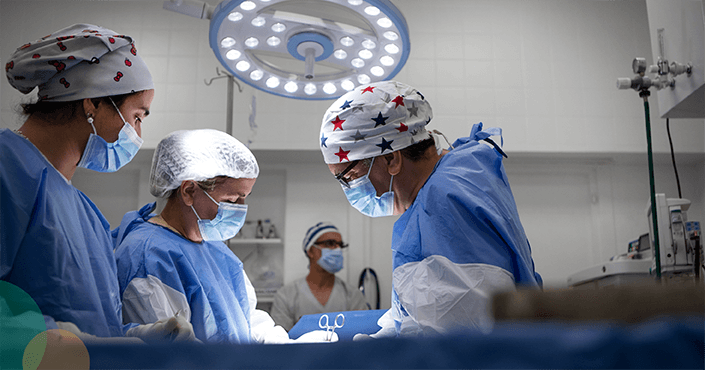
Learn about the risks associated with poor surgical training and its effects on patient safety. Improve your training program for better outcomes.
Ineffective surgical training increases the clinical and operational risks of healthcare organizations. Clinical risks include increased patient errors, inconsistent surgical quality, poor patient outcomes, and increased surgical infection rates. Operational risks include increased cost, flow inefficiencies, high staff turnover, and negative team dynamics.
Investing in a dynamic and comprehensive surgical training program for the entire team can help reduce risk and ensure patient safety.
Safety in surgical settings is a shared responsibility. Preventing errors and harm is an important aspect of patient safety. Surgical errors have many causes, one of the most common being miscommunication.
Improving patient safety begins with clear communication and strong team dynamics. Strategies to maximize communication include using protocols, structured tools, and checklists and fostering a culture of open communication. All staff should be trained and competent in organizational policies and protocols regarding their specific safety responsibilities. Safety-centered communication is critical.
Creating a safety culture involves attitudes, beliefs, and actions that focus on safety. It encourages reporting without retaliation, identifying system issues, and providing consistent transparency. Examples of safety-centered communication include total team involvement and silence during safety timeouts and staff speaking up when there is a concern in the moment. Staff and leadership should encourage collaborative solutions to safety concerns.
Without a cohesive team, communication breakdowns occur, affecting patient safety and outcomes. Ineffective communication can result in confusion and errors. Some examples include using vague or abbreviated terms, incomplete patient reports, interruptions and multiple conversations between surgeons and team members, and confusion about job-specific roles and responsibilities.
Cohesive teams are clear in their roles, communicate respectfully, and show strong leadership accountability, shared goals, and continuous improvement. These teams are created through education, preparation, and leadership. Observing a cohesive team shows smooth and coordinated actions with minimal disruptions and a positive environment.
Demonstrating healthy team dynamics in the dyadic and clinical portion of core surgical training lays the foundation for strong team members.
Traditional surgical nurse training programs are non-dynamic and inconsistent. Typical surgical orientation programs provide protocols and checklists but fail to teach critical thinking or collaborative learning.
Competency development includes understanding the curriculum, skill proficiency, and analytical skills. Giving new employees opportunities to analyze complex situations, problem-solve, and make informed decisions in online training and real-time with a prepared preceptor allows critical thinking to develop.
Collaborative learning in the operating room includes sharing role-specific feedback and knowledge to improve skills and outcomes. These may be questions related to the rationale of surgical decisions or tips on handling surgical instruments for efficiency and safety. Senior team members coach and mentor less experienced staff and provide resources, which fosters a positive team environment.
Expanding the definition of competency prepares surgical team members. It helps them rise to meet the challenging demands of their roles.
Healthstream has designed a unique surgical orientation program that surpasses conventional training methods. This program uses blended learning to meet the varied needs of the entire surgical team. To engage learners, it includes multiple learning methods, such as assessments, videos, and online tools with supported software. Online asynchronous learning and facilitator-led training provide maximum flexibility for staff. Each experience is tailored to the staff's specialty and their required competencies.
Critical thinking skills are fostered through realistic, challenging examples presented in video vignettes. Using Healthstream's surgical training models, leaders can create solid and organized surgical orientation programs. The impact will prepare staff to collaborate, optimize success, and foster essential critical thinking skills. The goal is to improve performance to create a cohesive surgical team.
Success requires strong leadership. Continuous competency development, improvement, and accountability are vital to enhancing surgical training.
Through continuing education, the surgical team and providers evolve their practice with new advancements. They will enhance their skills and techniques and build competence and confidence.
Leaders should provide accountability on metrics, such as compliance with protocols, performance evaluations, and benchmarks.
Open communication, ongoing conversations, and collaboration encourage staff participation. The surgical team will facilitate enhanced performance by providing continuing education, support, and technical competency development to all staff.
Limited frontline workers and resources create challenges for healthcare organizations. Traditional surgical orientation programs can lack engagement and support.
Healthstream's surgical training solutions enable staff to be seamlessly onboarded.
Their comprehensive program will prepare staff to collaborate, think critically, maintain patient safety, and create cohesive surgical teams.
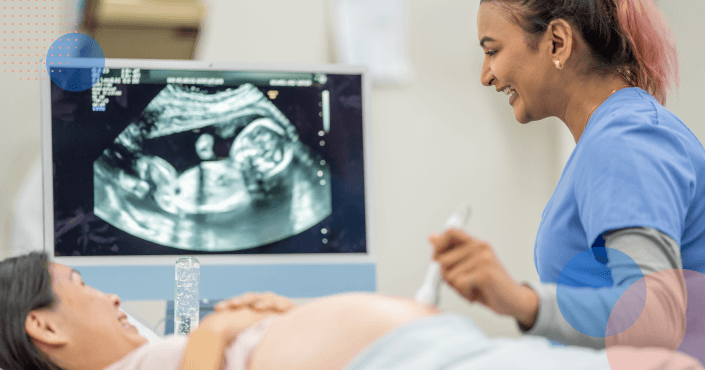
Adopt standardized clinical plans to lower maternal and neonatal hypertension risks and meet compliance needs.
Hypertensive disorders of pregnancy occur in 8-10% of of pregnancies in the United States. Patients with hypertension during pregnancy have increased morbidity and mortality due to subsequent cardiovascular disease, cardiomyopathy, and pulmonary hypertension. Furthermore, these conditions are leading contributors to premature birth, leading to increased morbidity and mortality within the neonatal population.
In 2021, The Joint Commission established new standards of hospital care for hypertensive disorders of pregnancy for all birthing facilities, requiring organizations to implement a standardized clinical development plan for hypertension management. Standardized education and treatment, like that provided in HealthStream's Quality OB toolkit, helps hospitals meet The Joint Commission requirements, improve maternal and fetal health outcomes, and give providers the tools they need to make quick decisions while treating this at-risk population.
Hypertensive disorders in pregnancy encompass four related presentations: chronic hypertension, gestational hypertension, preeclampsia, and eclampsia.
Only one of these findings needs to be present for the diagnosis of preeclampsia with severe features.
It is imperative that every clinical setting with the potential to serve pregnant and postpartum people creates a clinical development plan for hypertension management. Uniform care ensures that all individuals receive timely, quality treatment regardless of background.
In the Severe Hypertension in Pregnancy patient safety bundle, the Alliance for Innovation on Maternal Health suggests implementing a clinical development plan using the Readiness, Recognition, Response, and Reporting approach.
Recommended medications to treat pregnancy hypertension should be quickly accessible within obstetric units, the emergency department, and any other areas where peripartum treatment occurs. Providing education, drills, and debriefs before implementing new standardized protocols will solidify new information on recognizing and treating this patient population.
Every individual who presents with symptoms of hypertension, preeclampsia, or eclampsia necessitates lab evaluation and early medical management for severe range hypertension while assessing the overall clinical picture. The recognition phase of the clinical development plan for hypertension management also includes screening every pregnant or postpartum individual's medical, mental, and behavioral health needs.
Standardized responses to individuals presenting with hypertensive disorders of pregnancy must include the following:
HealthStream's solutions transform recommendations from The Joint Commission and the American College of American College of Obstetricians and Gynecologists into easy-to-use tools, guiding providers to deliver the most up-to-date and safest care possible.
Case reviews identify opportunities for improvement and assess an institution's adherence to policies and procedures. Reviews should be timely and nonpunitive. Report consistent findings to the predetermined administration.
Creating standardized care delivery takes time, yet it results in faster treatment and improved outcomes. Healthcare professionals possess the ability to directly affect maternal and fetal health. Having a predetermined strategy to care for patients with hypertensive disorders of pregnancy gives the healthcare team the tools needed to act swiftly and ensure the best care possible.
HealthStream's solution for Quality OB care includes staff education and practice recommendations that align with these requirements. It allows teams to create a clinical development plan with the goal of achieving zero serious safety events in obstetric care areas.





