Explore expert insights from HealthStream on healthcare compliance, credentialing, clinical education, scheduling, and leadership. Find practical guidance to help healthcare organizations train, retain, and support their workforce.
Practical insights on healthcare compliance, workforce development, and clinical education from the experts at HealthStream.

Learn industry-leading OPPE and FPPE best practices to measure and monitor provider performance and ensure quality and safety in your health system.
Patient safety is always a priority, and one of the most effective ways for a healthcare organization to ensure safety is through Ongoing or Periodic Professional Practice Evaluation. These programs and processes help organizations meet the many regulatory and accreditation requirements needed. Read on for some industry-leading best practices healthcare systems can leverage to ensure individual provider performance and organizational quality. Let's start with the basics.
Ongoing Professional Practice Evaluation (OPPE)Periodic Professional Practice Evaluation (PPPE) OPPE is a term coined by The Joint Commission (TJC). It is the ongoing monitoring and evaluation (not to exceed every 12 months) of current competency and professional behavior in providers with granted privileges. OPPE is accomplished through peer review activities and the resulting information factors into decisions to maintain, revise, or revoke existing privileges. OPPE relies on qualitative and quantitative criteria to assess how a provider is performing in key areas. A well-designed OPPE process should be able to help identify performance issues that could negatively impact patient care. Other regulatory and/or accreditation organizations require periodic professional practice evaluation, instead of ongoing.
Organizations that require OPPE: The Joint Commission (TJC), the Accreditation Association for Ambulatory Health Care (AAAHC), and the Accreditation Commission for Health Care (ACHC).
Organizations that might require PPE:
Centers for Medicare and Medicaid Services (CMS) and the Det Norske Veritas (DNV).
Regardless of your organization's size or type, there are certain decisions that need to be made, as a whole, to ensure requirements are met.
With these decisions made, your organization will have the information necessary to create a repeatable, reliable, and actionable process to enable OPPE or PPPE. Of course, there are a number of ways to set up these processes within your organization, which is why HealthStream has a few tried and true best practices we recommend to all organizations.
OPPE and PPPE can offer the most effective programs within the medical staff services department to make a significant impact on quality. To realize their full potential, we must make concerted efforts to move our evaluation programs forward through standardization and optimization, and that starts with the following best practices:
There are many i's to dot and t's to cross to ensure OPPE and PPPE are done effectively, but that doesn't mean it's impossible. With a solution like CredentialStream®, you have everything you need to request, gather, and validate information about a provider.
CredentialStream's Evaluate is designed to support OPPE and PPPE by helping organizations track and trend performance data using configurable content templates and metrics. Using Evaluate's Performance Metrics, organizations establish and monitor the data that is collected on either an ongoing or periodic basis, for the purpose of assessing the provider's clinical competence and professional behavior and incorporating these factors into privileging decisions.
In very broad terms, CredentialStream enables users to:
Ongoing or Periodic Professional Practice Evaluation programs provide evidence that the medical staff has made a commitment to providing safe, efficient, effective, equitable, and patient-centered care in today's complex healthcare environment. It is through provider-supported and led programs and initiatives that performance expectations are established, and it provides assurance that the organization will exceed established standards of care for all patients. With Evaluate, you get the process, content, and data needed to support peer review and Ongoing or Periodic Professional Practice Evaluation and the insight required to improve patient care while in compliance with regulations. Learn all about Evaluate here.

Explore innovative strategies to effectively onboard medical assistants and boost staff retention in today's challenging healthcare landscape.
This blog is taken from a recent HealthStream webinar entitled "Preparing for the Surge in Onboarding Medical Assistants." The webinar was moderated by Allison Keys, Campaign Manager, Pre and Post-Acute, Surgical, Child-Maternal and featured Andrea Zalewski, Program Manager, Clinical Programs, Pre and Post-Acute and Surgical.
The Bureau of Labor Statistics projects that there will be a 29% increase in medical assistant jobs from 2016 to 2026, making it one of the fastest growing jobs in the country. "They could also represent an effective, affordable and safe way to expand your shrinking and costly clinical workforce," said Zalewski. The pandemic exacerbated existing issues related to staffing and it continues to be a top priority for healthcare leaders. Solutions that address staffing issues are at the top of every healthcare leader's list of priorities.
Medical Assistants have long played a role in healthcare with both front and back-office roles in medical office practices. Zalewski shared that the majority of Medical Assistants practice in physician offices (58%). The next largest group (27%) practice in clinics and other outpatient facilities and currently just 15% practice at acute care facilities.
While the role of Medical Assistants may expand as they move into more acute care settings, their job responsibilities currently fall into three main categories:
The uptick in Medical Assistant hiring has its roots in some current healthcare industry trends. The first and perhaps the most profound are the current financial issues facing many healthcare organizations. As the country emerged from the pandemic, many hospitals faced deeply negative margins. Those negative margins, when combined with unprecedented inflation, increasing payroll costs and growing turnover costs, have resulted in increasing pressure on healthcare organizations. The average hourly rate for a medical assistant is $17.88 compared to a rate of $37.31 for a registered nurse or $58.43 for a physician assistant. This comparison makes it easy to see that the use of medical assistants in routine medical environments can result in significant decreases in labor costs.
Staffing represents a significant concern for nearly every healthcare leader. Turnover remains high and a recent poll by the Medical Group Management Association (MGMA) found that medical practice leaders say that 59% of employees left for better pay and benefits in 2021. "These statistics support an industry need to backfill and upskill with non-licensed clinical resources using advances in technology under the supervision of a licensed practitioner," said Zalewski.
While Medical Assistants may not be the most highly-paid member of the clinical team, the cost of medical assistant turnover is still estimated to be about $14,200.00 per medical assistant. Given that training costs are estimated to be about $8,400.00 of that number, it becomes clear that healthcare organizations need a solution that will effectively onboard incoming Medical Assistants and provide them with the necessary skills and knowledge needed to provide safe, effective patient care and become a high-performing member of the team. Investing in education can help improve retention for your organization's medical assistants and start them on their healthcare career path.
Zalewski shared that most states do not require medical assistants to complete any kind of formal training. An orientation program can provide the starting point for a solid foundation of common knowledge for an organization's Medical Assistants. On-the-job training for Medical Assistants is likely to be uneven at best given the fast pace of most healthcare facilities and is unlikely to provide a solid foundation for new Medical Assistants, particularly if they begin their jobs with no frame of reference for their job duties.
HealthStream's Medical Assistant Orientation solution was developed in cooperation with MedStar SiTEL. MedStar SiTEL provided all of the clinical content and the program was launched in 2019 to address the growing need for standardized training for Medical Assistants.
Zalewski described the solution as using an interactive, real-world approach that learners will find both engaging and educational. Medical Assistant Orientation includes six modules that cover:

Reduce placement chaos and speed onboarding with myClinicalExchange. Learn how to streamline student clinical placements for schools and healthcare teams.
Onboarding is a critically important process and becomes even more important as the nursing shortage continues to worsen. When executed properly, onboarding can be the first step in creating employee engagement and the kinds of dedicated employees that will continue to make contributions to your organization and to patients and families well into the future.
The problem is that student onboarding can be a confusing and chaotic introduction to your organization. There is simply too much information and paperwork to manage and it can leave students feeling overwhelmed and helpless and it can leave healthcare administrators feeling pretty much the same way.
The healthcare industry is experiencing unprecedented levels of burnout, severe staffing shortages, and an aging workforce. All of these factors have created one of the most competitive workforce environments ever seen in the healthcare industry.
Failing to provide a great onboarding experience can result in lower levels of satisfaction and engagement, lower employee confidence, and a lack of trust in leadership. Ineffective onboarding is a mistake that most industries cannot afford to make, but healthcare may well be the industry that can least afford it.
Ideally, candidates are thrilled to get an offer and ready to begin their clinical placement so it is important to retain them. So, how can healthcare organizations move away from cumbersome, manual processes that can be both overwhelming and error-prone to a more confidence-inspiring, integrated system?
HealthStream's myClinicalExchange can help you and your organization streamline, manage, and organize the entire student placement process. Here is what myClinicalExchange can do for your organization
Provides Automation - Because myClinicalExchange offers the ability to manage multiple programs on a single platform, users will appreciate being able to automate key functions. The single platform allows users to standardize and centralize the way in which students are placed in an organization and the process can remain consistent regardless of the size or orientation of the organization.

Readiness for neonatal stabilization shapes short- and long-term neonatal outcomes. Learn how the S.T.A.B.L.E. Program affects educational outcomes.
This blog was taken from a recent HealthStream webinar entitled "Evaluating the S.T.A.B.L.E. Difference in Educational Outcomes." The webinar was moderated by HealthStream's Chris McElvogue, BSN, RN, CHSE, Director of Product Management, Clinical Programs and featured:
The webinar addressed strategies to prepare perinatal providers for neonatal stabilization. Today's presenters studied the impact of the S.T.A.B.L.E training program in post-resuscitation neonatal management and the results were clear.
Dr. Judkins began by sharing some recent changes to the requirements for a pediatric residency. A pediatric residency is three years long and the content is established by the American Board of Pediatrics. During the three-year residency, residents will rotate through a variety of fields including adolescent medicine, cardiology, gastroenterology, inpatient and outpatient clinics, and emergency medicine among others. A person may become a board-certified pediatrician upon successful completion of the American Board of Pediatrics written exam.
Neonatology is a unique specialty within pediatrics. The degree of exposure that a pediatric resident might get to neonatology can vary significantly depending on the acuity of the unit, the patient population and the medical care team at the time of their rotation. In addition, residents are now spending less time in the NICU, but are still required to attain the same amount of knowledge. The Accreditation Council for Graduate Medical Education is proposing to reduce the time residents spend in the NICU to just one month creating an even greater need for a program such as S.T.A.B.L.E. This proposal will leave hospital systems to decide how to best prepare residents to care for critically ill neonates.
S.T.A.B.L.E. is one of the most widely-implemented neonatal education programs. S.T.A.B.L.E. is an acronym that stands for:
The program is used in more than 40 countries and has educated 720,000 learners. The course is self-paced and can be completed entirely online in as little as 5.5 to 6 hours. The online program means that residents and other students will experience less variability in the content or the delivery of the message which helps ensure the integrity of the information that is provided and builds a platform of common knowledge for the entire team.
Dr. Judkins and Dr. DuPont believed that residents who completed S.T.A.B.L.E. training would likely score better on post S.T.A.B.L.E. tests than those who had not completed the program. They also believed that the residents who had completed the program would feel more confident in their skills than those who had not.
In order to evaluate their theory, they randomized a group of first year residents into two groups - one group that would complete the S.T.A.B.L.E. program and a control group that would not.
The end result was that residents who had completed the S.T.A.B.L.E. program scored higher than the control group on the S.T.A.B.L.E. post-test evaluation. In addition, they also reported statistically-significantly higher levels of confidence in their post-resuscitation stabilization skills than their counterparts in the control group. There was very little difference in pre and post test scores for the control group. As a result, Dr. Judkins and Dr. DuPont recommended implementing S.T.A.B.L.E. into the rotating pediatric resident curriculum.
In addition, Dr. DuPont pointed out that residents reported appreciating the self-pacing aspect of S.T.A.B.L.E. and being able to do it on their own time and at their own pace.

Seniors are 16.9% of the U.S. population, and one in five Americans will be 65 or older by 2030. Explore five trends shaping senior care.
Seniors represent 16.9% of the U.S population and projections show that one in five Americans will be 65 or older by 2030. The pandemic likely disrupted some of the trends that could have impacted senior care, but it is time to re-focus attention on this large and growing cohort. They can present with complex healthcare and social needs. What are the trends about which healthcare leaders should be aware in 2023?
While the percentage of Americans over the age of 65 is significant, it is also important to note that by the year 2050, one in five older adults will be over the age of 85. This, along with the fact that the average life expectancy has continued to increase (despite the temporary decrease caused by the pandemic) has some significant implications for healthcare providers all along the continuum of care. Homecare may be helpful for many seniors, especially those that choose to age in place, but it is somewhat more critical for older seniors.
As mobility becomes more of an issue for seniors, telehealth services and mail order pharmacies may play more of a role in healthcare for seniors. Cardiovascular disease, vision and hearing loss, lower levels of mobility and dementia are associated with this cohort and are more likely and more pronounced in seniors over the age of 85. Healthcare organizations will need strategies to provide for these needs.
While older adults may be less facile with some types of technology, it will nonetheless play an increasing role in their healthcare. Telehealth became an important solution during the pandemic as healthcare organizations and providers sought to find safe ways to connect with patients. It continued to grow in popularity as providers, patients and insurers began to embrace this technology. Going forward, this option may be even more attractive to seniors with mobility and/or transportation issues.
Wearable devices such as Fitbits and smart watches have helped consumers be more informed and aware of some of their key health and fitness metrics. They may be less accepted among the senior cohort, but could provide valuable insight into health and fitness when used.
Smart detection devices that can indicate when a senior has fallen, encountered other hazards, or needs assistance, motion-activated lighting, and digital pill dispensers can also help ensure health and safety for seniors, particularly for those who have chosen to age in place.
During the pandemic, seniors (like their counterparts in other demographic groups) reported mental health issues such as depression, anxiety or substance abuse. These problems have been on the rise during the pandemic and healthcare providers will need to be diligent about watching for signs and symptoms of mental health issues in older patients.
In her annual review of the Top Ten Trends in Healthcare, Robin Rose, MHA and Thought Leadership Consultant for HealthStream, highlighted the trend of integrating behavioral health and primary care. While this has implications beyond the senior adult population, it does mean that seniors can benefit from a more seamless integration of behavioral and primary care services. This approach may also result in better care as mental health and primary care providers can collaborate and continuously coordinate care.
The pandemic sidelined some healthcare trends and fast-tracked others. Hospital-at-home is clearly in the second category. This model allows some patients who need acute care to receive that care at home. While the concept may seem very new, it has actually been in development by The Johns Hopkins Schools of Medicine and Public Health since 1995.
Patients are carefully evaluated to ensure that they meet the validated criteria to be safely and effectively cared for at home. The patient is then evaluated by a physician on a daily basis and receives a visit from a physician once per day. Patients also receive extended nursing care for the initial portion of their hospital-at-home stay and then daily and sometimes more frequent visits, as necessary. Diagnostic and therapeutic procedures are performed at home unless that is not possible and then the patient is transferred back to the hospital. This care model could be very attractive to seniors who prefer to be cared for in their own homes and wish to avoid the risks associated with transportation and hospitalization.
Seniors being cared for at home by family members will become less of an option over time. As the number of people over the age of 80 is expected to increase by 79% by 2030 as the first of the baby boomers reach that age, the number of adults between the ages of 45 and 64 will increase by just 1%. The good news is that the older cohort is arriving at this stage of life in substantially better health than their predecessors, but the likely increase in demand for senior care services could result in substantially higher costs for those that need it or difficulties in obtaining services at all.

Understand the advantages of acuity-based staffing models in healthcare and their impact on patient care and staff efficiency. Learn more here.
There has likely never been a time when managing nursing and other allied health staff resources has been more important - or more challenging. Value-based and risk-based reimbursement models have helped to focus even more attention on measures such as quality outcomes and readmissions and, in turn, those staffing models that will yield the best results.
Healthcare leaders are faced with more than one choice when deciding on the best staffing model. They may choose to make decisions based on:
Safe staffing considerations must also include the ongoing shortage of nurses and other providers, further complicating decision-making. So which model is the safest and most effective for patients and the nurses and other allied health staff caring for them?
While a budget-based staffing model provides a clear overview of what is needed for each unit, it can fail to account for any special or unique circumstances, including anything from individual patient needs up to a pandemic. For example, nurse-patient ratios are mandated by some states and under consideration by others, but also fail to account for patient acuity, the unique needs of individual departments, and staff skill sets.
In a recent blog, Mary Ann Fuchs, DNP, RN, NEA-BC, FAAN, President of the American Organization for Nursing Leadership, pointed out that nurses and not legislators are in a better position to make decisions on appropriate nurse staffing. She went on to say, "Ratios are a static and ineffective tool that cannot guarantee a safe health care environment. Care is team-based and a lack of flexibility to provide staffing based on the acuity of individual patient needs jeopardized safe patient care."
An acuity-based model is the best option as it is:
The acuity-based model is the right model for patients and staff, but without the right tools, it can be challenging to execute as it requires that leaders be able to leverage a continuous feed of data that includes patient's clinical data from the Electronic Medical Record (EMR), admissions, discharges and transfers (ADT) information, and staffing levels along with staff qualifications, experience levels and certifications. It is a significant amount of data, and turning that data into something that is meaningful and actionable for leaders, optimal for patients and fair and equitable for staff is a rather daunting task. Therefore, a technology solution is essential for organizations wishing to implement an acuity-based staffing model.
HealthStream's Acuity and Assignment Manager helps leaders take the guesswork out of acuity-based staffing by aggregating the required data so that leaders can equitably balance staff workload while meeting the ever-fluctuating needs of the patient population. Further, this makes it possible to make smart decisions about staffing to acuity in real-time. It eliminates labor-intensive and potentially error-prone manual calculations and uses up-to-date staffing and patient data to create safe, equitable staffing assignments.
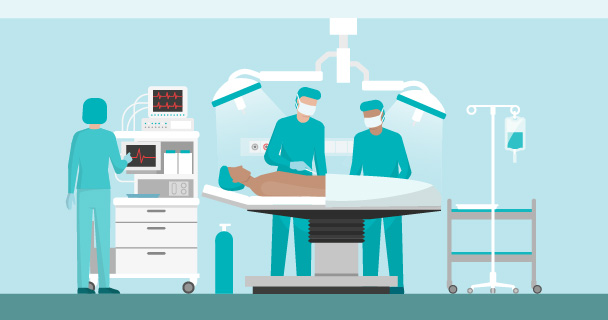
Healthcare grows more complex every day. Discover five reasons lifelong learning is a long-term career need for nurses and healthcare professionals.
Trisha Coady, VP, Clinical Staff Development at HealthStream, recently offered the following points about the importance of lifelong learning in healthcare.
1. Healthcare is becoming ever more challenging in its complexity.
The nature of professional healthcare learning, which has become "more challenging than ever… because of the plethora of published literature and electronic information that exists, combined with the fact that new knowledge is emerging at an accelerating pace. Upon entering practice, the health care professional experiences increased demands that reduce the time available for learning and assessment, and over time the professional's knowledge of emerging evidence-based practice and professional competence may deteriorate" (ACICBL, 2011).
2. Patients and their families have expectations for the highest possible quality care.
Johns Hopkins Nursing shares that some of the impetus comes from patients and their families, who are "no longer quiescent [and] now demand answers from the nurses who provide their care" (Edelson, 2012). People are more likely than ever to educate themselves about their healthcare conditions and treatments and expect their care professionals to know even more in order to help them.
3. Healthcare leadership requires knowledge and competency in staff like never before.
Lifelong learning is a vital component of the commitment to be an effective leader, and as Edward Lamb, Chairman of the American College of Healthcare Executives (ACHE) puts it, "To engage fully in professional and leadership development activities, healthcare executives should commit to participating in educational offerings that develop a balance of healthcare management competencies and an evolving set of people skills" (Lamb, 2016). An ACHE-sponsored survey of healthcare CEOs showed that they "mostly value continuing education to understand changes (81%), keep themselves abreast of current trends (74%), to solve problems (62%), and to learn about new technology (60%)" (Walston and Khaliq, 2010).
4. Healthcare employee disengagement is poor, and lifelong learning is one solution.
Also, engagement of most healthcare professionals is lower than the average US workforce, with turnover costing billions of dollars annually in an environment with significant margin pressure. Nearly one in four nurses (24%) are currently actively disengaged, compared to only 16% of the U.S. working population (http://www.gallup.com/poll/6004/nurses-may-satisfied-they-engaged.aspx). Deploying creative opportunities for new or reinforced learning, as well as motivating creativity among staff has never been more paramount.
Establishing and nurturing a culture of lifelong learning inherently promotes employee engagement. "Using standardized mortality and complication indexes, from more than 200 hospitals and including staffing and other variables such as nurse engagement, showed a significant relationship between engagement and outcomes," (Blizzard, 2005).
5. Lifelong learning is a mandatory career advancement requirement.
If we reflect on our own career progression, there are decisions we make after 20 years of experience that are drastically different than what we would have made in our first year out of college. To amass that experience and level of critical thinking, we've likely pursued formal education or courseware, attended conferences, volunteered on committees, leveraged peers and mentors, etc. Did your own manager force all of these activities upon you or did you seek these out? If the opportunity was presented to you, were you more likely to participate? My guess is that most have an intrinsic desire to seek some level of learning and certainly are more likely to participate if opportunities are presented. There will always be a need for mandatory, regulatory or focused training through a learning management system, but I also believe it's just as critical to offer opportunities for self-development.
Contact HealthStream to speak to a solutions expert learn more about our courses related to Nursing Training.
References:
Blizzard, Rick, D.B.A., "Nurse Engagement Key to Reducing Medical Errors," Gallup.com, December 27, 2005, accessed at http://www.gallup.com/poll/20629/nurse-engagement-key-reducing-medical-errors.aspx.
Edelson, Mat, "Lifelong Learning," Johns Hopkins Nursing, November 29, 2012, accessed at http://magazine.nursing.jhu.edu/2012/11/lifelong-learning/.
Institute of Medicine (US) Committee on the Robert Wood Johnson Foundation Initiative on the Future of Nursing, at the Institute of Medicine, "The Future of Nursing: Leading Change, Advancing Health," National Academies Press (US); 2011.
Josiah Macy Foundation, American Association of Colleges of Nursing (AACN) and the Association of American Medical Colleges (AAMC), "Lifelong Learning in Medicine and Nursing Final Conference Report, " 2010.
Lamb, Edward, "Executives must commit to lifelong learning in relentless pursuit of quality improvement," Modern Healthcare, March 12, 2016, accessed at http://www.modernhealthcare.com/article/20160312/MAGAZINE/303129978.
Walston, Stephen L., PhD, and Amir A Khaliq, PhD, "The Importance and Use of Continuing Education: Findings of a National Survey of Hospital Executives," The Journal of Health Administration Education, Spring 2010. 8

Make continuing education part of your strategy to attract, retain and develop nurses and allied health professionals. Learn how to make CE easy.
This blog is taken from a recent HealthStream webinar entitled "Make CE Easy!" The webinar was moderated by Jill Lamle and featured Jennifer Maguire, MBA, RN. Maguire is a Senior Solution Executive, Clinical Staff Development for HealthStream.
Mandatory training shouldn't feel like a burden to staff and should help mitigate not exacerbate employee burnout and stress. Healthcare leaders also want to ensure that their staff has access to the most current, evidence-based content. Maguire shared ways in which healthcare organizations can create a learning culture, while improving recruitment, retention, and engagement efforts by using tools that are efficient and easy-to-use for staff and leaders.
Maguire began by describing how HealthStream can support organizations as they strive to create a culture of lifelong learning. HealthStream has tools to support workforce development, scheduling, and capacity management, as well as credentialing. HealthStream has tools for nurses and other healthcare providers for virtually every stage of their careers from student to specialty certification to nurse manager.
Maguire pointed to the healthcare industry's current staffing challenges including high turnover and severe staffing shortages as an indicator that it is more important than ever for healthcare organizations to find ways to create engaged employees. "It is absolutely essential to ensure that your clinical workforce is engaged, competent and confident. A strategic way to accomplish this is to engage these clinicians at each stage of their careers with the resources that they need," said Maguire.
In addition, Millennial and Gen Z employees have a somewhat different expectation of work than that of their predecessors. These cohorts want to feel as if they are making a difference and to find meaningful work that aligns with their personal values. HealthStream can help your organization connect with and engage these employees at every step of their careers by helping your organization to demonstrate an investment of time and resources into their professional journeys.
HealthStream's CE Unlimited is the perfect tool to help healthcare leaders align organizational goals for clinical education and to create a culture of lifelong learning that supports the personal and professional goals of clinical staff. CE Unlimited has inclusive and versatile content that includes more than 2,000+ CE titles across multiple disciplines, settings, and specialties for both nursing and allied health professionals. In addition, there are more than 40 certification prep programs to support your staff in their clinical advancement.
CE Unlimited is a learner-focused tool. Maguire shared that there were multiple modalities to meet each users individual learning needs. CE Unlimited includes everything from evidence-based articles to interactive eLearning, on-screen simulations, and micro-learning for shorter "bursts" of learning.
The courses are always availalbe to your staff with unliited use, and they can access the CertPrep courses via a free mobile app. In addition, CE Unlimited tracks CE credits making reporting and administration easier and more accurate and efficient for your team. Healthcare organizations can use CE Unlimited regardless of whether or not they are currently using HealthStream's learning management system.
HealthStream also offers an upgraded CE Unlimited package - CE Unlimited with Jane®. "This package includes a robust set of knowledge assessments for nursing and some allied health professionals. Based on these assessments, they will then be provided with an individualized remedial path that addresses any knowledge gaps identified in the assessments," said Maguire.
Columbia Memorial Health in Hudson, New York began using CE Unlimited and in the very first year, achieved an initial savings of 73% for the initial 50 courses. In addition, they also achieved a significant time savings as administrators were able to reduce the amount of time that they spent manually creating, assigning, and tracking courses. Along with unlimited access to the CE Unlimited library and CertPrep courses, they were able to incorporate content that had been created by their clinical leaders.

Amongst the many challenges facing the healthcare industry, denied claims only continue to rise. What does that mean for providers?
Approximately 65% of denied claims are not reprocessed for resubmission (Zindl, 2021). Amongst the many challenges facing the healthcare industry, denied claims only continue to rise. What does that mean for providers, and what does this mean for the patient experience?
Claims denied and not resubmitted result in significant loss for the provider. Denied claims affect more than revenue — they directly impact employees. Proactive steps, like staff education, are necessary to decrease the number of denied claims. Education addresses root causes, and ongoing education addresses deficiencies as systems change or are updated.
Claims denials occur for many reasons. Administrative and coding errors are the two most common types of errors resulting in denial.
Additionally, documentation errors can negatively impact the administrative and coding processes. Any mistakes or erroneous information can appear on the claim form, and this can cause confusion, time lost to administrative burden, and a poor patient experience.
Loss of revenue is an alarming consequence of any activity. In claims denials, $1 of every $10 can be lost (Bowman et al., 2019). The cost to resubmit denied claims averages $25 per claim, with an estimated average for hospitals of $181 per claim (Poland & Harihara, 2022).
Claim denials cause revenue loss by several means, including excess labor costs of claims resubmission. Resolving denied claims is a lengthy process and can often be an organization's most timeconsuming task.
The decreased revenue from denied claims makes it difficult for healthcare organizations to maintain financial obligations, such as paying staff and maintaining facilities. This calls for healthcare organizations to allocate resources to address the increased denied claims.
The best approach to managing claims denials is a proactive approach. The key to a proactive approach is education. Knowledge of clean claim processing ensures accurate form submission on the first attempt, which is the goal of claims processing.
Staff education is essential to avoiding common billing errors resulting in denied claims. Billing education gives healthcare providers the skills and knowledge to code and bill accurately for medical services.
The success of such education programs hinges on the broadness of the curriculum. The program must cover all areas of the billing process. Topics to be covered should include but are not limited to:
An educated staff can improve the quality of claims submitted. The increased knowledge leads to clean claims or captured errors before submission, decreasing the loss of revenue and time.
Coding and billing education is necessary to create claims and resubmit denied claims. All staff involved in the billing process need to possess this knowledge.
Staff must also have the skills to manage those claims that payers deny. They should understand the rejection codes, the denial resolution process, and how to review claim forms.
Staff must learn the fundamentals. All staff must be on the same page. Capturing the necessary documentation and its accuracy is the responsibility of all staff, but even more so for the clinical document improvement (CDI) staff.
The primary goal of CDI is to improve the quality and accuracy of clinical documentation to support appropriate coding, billing, and reimbursement. CDI aims to capture the complete clinical picture, including the severity of illness, comorbidities, complications, and treatment outcomes. To do so, they need to have a solid knowledge base that can only come from quality documentation education programs.
Understanding the requirements of insurance providers and payers is necessary to stay compliant with claims processing. This includes knowledge of the verification process and how to educate patients about their financial responsibility for medical care. Verifying eligibility before a patient receives medical services clarifies how the claim can be processed.
When an organization adheres to payer-specific guidelines, payers deny fewer claims; however, staff must have a clear understanding of each payer's guidelines.
Educating staff on coding, billing, documentation, and payer requirements decreases the likelihood of denied claims. Capturing an error before submission improves the time to get paid, and organizations can reallocate billing office resources toward other administrative priorities.
The high cost of appealing denied claims points to a need for intervention. Proactively addressing the issue with staff education will decrease the cost of appeals and cost-to-collect.
An educated patient understands the role of insurance and their role in the financial responsibility of their medical services. Educating patients about their responsibilities minimizes confusion and contributes to timely payments.
When staff understand the payer requirements, they are in a better position to educate patients. Staff also know what information to collect from patients. Informing patients before visits of the information required when they arrive for medical services allows staff to capture accurate information favorably.
The registration process is the most common reason for denials (Arias, 2021). Ensuring this process follows payer requirements emphasizes the need to provide patient education.
Successful patient education is a direct result of successful staff education. Staff must understand the information and have the tools necessary to educate patients.
When educating patients, it is best to use plain language they understand. Communicate with patients in their preferred language and facilitate language barriers such as language, loss of hearing, and reading ability. If barriers exist, provide education in a way patients can learn. If they can read, provide documents in their preferred language. If they have difficulty hearing, use written materials.
Gathering accurate patient information is one of many steps in the process and is one of many pieces of information needed to be collected. Services provided to patients should be documented accurately.
Providers should also be educated to ensure they correctly identify their services. This information is used for coding and billing and can only be as accurate as the provider's documented information.
Preventing claims denials requires all staff to be on board. That goes to say that collaboration within the organization is required to process clean claims, from collecting patient information to reimbursement.
Regulatory oversight is a part of the claims process that organizations cannot dismiss. Competency in this area ensures that staff process claims within regulations. Staff in all areas, coders, auditors, and managers should be competent in regulatory requirements and know where to locate such resources.
Key players in claims processing—registration, case management, financial services, nursing, health information management (HIM), physicians, coders, auditors, and managers should all collaborate to decrease the number of denied claims. Identify resources and leverage expertise to implement remedies for claims denials, including education.
Regulations and requirements are not static. Payers are constantly changing requirements in response to changing regulations. Staff must stay abreast of these changes to continue improving denied claims numbers.
Claim denials may improve by keeping all staff on the same page by providing continuous education. Identifying deficits in staff knowledge can determine the continuing education an organization needs.
By fostering a culture of learning and development, staff will embrace ongoing training. Continuing to educate themselves about recent changes in claims processing will be the piece of the puzzle that brings denied claims numbers down to manageable.
It would be wrong not to utilize technology to help prevent claims denials. Technology can provide a significant impact on the decrease of claims denials. However, it has no value without a process and understanding of how to use the technology.
Patient portals can be a resource for gathering current patient information. Assuming the information is up-to-date, applying it to the claims process can eliminate documentation errors.
A once time-consuming task can be more manageable using this and other technological resources. Ensuring all staff are aware of the technology available and how to use it can lessen the burden of locating accurate information.
Identifying the root cause of claims denials is necessary to direct an education program. Utilizing metrics data derived from technology gives a snapshot of current processes and where there are deficiencies. Therefore, based on this analysis, education can be implemented in any area.
Serving as a base for education, testing and reports are a vital technology in developing an education program. Having a clear purpose for training ensures clear and attainable goals.
Implementing any education program has its challenges. Some challenges and obstacles may be:
Employees must understand the importance of accurate claims submissions and value that education can help ensure accuracy. When employees value the program, they are more likely to participate.
The claims submission processes may be staff intensive. Stealing staff away from processing claims for education will further delay the submission process.
The ever-changing world of insurance claims can make it hard to have accurate education programs. Staying abreast of all new changes and adjustments for all payers is necessary.
Patients are a part of the process. They may need education about the requirements of their insurance. This burden can fall on the provider. Therefore, staff need also to be teachers.
There are obstacles in the implementation of any new program or process. Planning for the obstacles and having strategies ready to address them ease the difficulty they may pose.
Emphasize the importance of accurate claim submission and how staff education can address this issue. Meanwhile, ensure the program is accurate by staying abreast of industry changes.
Education should be presented in plain language for staff and patients. Present complex concepts in easy terms—support information with visual aids, like diagrams, videos, and brochures.
Making the training accessible and efficient minimizes interruptions in staff work when there are staffing shortages.
Partnering with HealthStream means you have an ally supporting your reimbursement needs while you work to minimize your denied claims. With 90% of denied claims avoidable, your organization can continue to grow as an industry leader and role model for successful reimbursement programs through implementation of HealthStream's revenue cycle system.
HealthStream's adaptive and comprehensive education develops staff competence with courseware supporting their needs from the moment a patient arrives. With personalized training, interactive games, and engaging video tools, HealthStream's revenue cycle education solutions help you optimize reimbursement from start to finish.

Explore how to align staffing with patient needs using HealthStream's innovative solutions. Enhance care and improve efficiency today.
This blog is taken from a recent HealthStream webinar entitled "Align Staffing to Patient Demand with Acuity and Assignment Manager." The webinar featured Terri Epler, MSN, RN, Solution Consultant for HealthStream and Gia Milo-Slagle, Senior Director of Product Management for HealthStream and was moderated by HealthStream's Sarah Enders.
One of the most difficult ongoing challenges faced by healthcare leaders is the need to balance staff workload with fluctuating patient demand and acuity. It is essential to safe and efficient hospital operations, but doing it effectively requires the assimilation of a significant amount of data in real-time. Data on patient acuity, census, staffing and other resources can be used to make the right decisions on staffing, but objectively assimilating that data in such a way that it supports decision-making is far from simple without the right tools.
In this webinar the presenters shared how HealthStream can help healthcare organizations create stable staffing assignments based on real-time data, seamlessly manage workload imbalances and proper ratios while elevating care for staff and patients using information that is objective, reliable and transparent.
Hospitals have all of the data that they need to align staffing with patient demand, but actually leveraging the data for that purpose requires a solution that can aggregate the data into meaningful recommendations. Recently many states have begun legislating mandates on nurse-to-patient ratios. The legislation is well-meaning, but may still not result in optimal staffing. In a recent blog, Mary Ann Fuchs, DNP, RN, NEA-BC, FAAN, President of the American Organization for Nursing Leadership pointed out that nurses and not legislators are in a better position to make decisions on appropriate nurse staffing. She went on to say "Ratios are a static and ineffective tool that cannot guarantee a safe health care environment. Care is team based and a lack of flexibility to provide staffing based on the acuity of individual patient needs jeopardizes safe patient care."
Milo-Slagle began by describing how HealthStream can help healthcare organizations to leverage a continuous feed of real-time data to deliver high quality care. HealthStream's Acuity and Assignment Manager (AAM)uses data from ShiftWizard™ along with clinical data from a facility's Electronic Medical Record (EMR) and Admissions, Data and Transfers (ADT) to create equitable and safe staffing assignments based on skill sets, credentials and regulatory requirements. Because it relies on real time data, it is flexible enough to help facilities change course as acuity and staffing levels change over time. "This tool can help you change the course of your staffing decisions during the day as well as looking at retrospective data that can guide decisions based on organizational history," said Milo-Slagle.
While the actual task of assimilating all of the data required to align staffing with patient demand and acuity is rather daunting given the amount of data involved, HealthStream's AAM is easy to use. This solution eliminates cumbersome manual calculations relying instead on digitized patient assessments and up-to-date staffing information.
Epler demonstrated the features of AAM including the dashboard that a charge nurse will be able to see when making assignments. The dashboard includes information from ADT, and the EMR as well as the nurses and other caregivers that are working in that department on that shift - information that comes from ShiftWizard. The charge nurse can easily make patient assignments using this data. Once an assignment has been made, that nurse will have a score associated with their assignment based on an Acuity Aggregator™ that uses objective acuity data from ADT and charting results. Charge nurses can also use this same solution to assign tasks to nurses and other caregivers on the team.
AAM also includes great reporting features that provide printable assignment sheets, hourly census reports, workload summary reports, patient acuity assessment reports, task reports, and security and audit reports for administrators. The reporting can also be used to meet the unique documentation requirements of accrediting organizations, regulatory bodies and unions. Along with these fairly high-level reports, users are also able to see more granular information such as the date and time of a particular assessment.

Growing medical group? Learn why web-based credentialing and enrollment software built for the job beats manual tracking as you onboard new providers.
Congratulations! Your Medical Group is growing! You're onboarding new providers and patients alike. With a growing practice, you need a credentialing and enrollment system that can keep up. If you're manually attempting to keep track of dozens of providers, cobbling together paper applications, and managing re-credentialing with a mix of disjointed tools, you need credentialing and enrollment strategies and solutions that decrease cost, increase revenue, and prevent you from becoming overwhelmed.
But becoming overwhelmed is only one part of the problem. For example, our research indicates that a one-day delay on provider onboarding can cost your medical group $10,122!
When it comes to credentialing and enrollment, you simply can't afford to skip software made for the job!
When Kelle Humphries, President of Adamas Healthcare Consulting, found that manual processes and a heavy reliance on spreadsheets made it impossible to scale and service new clients, she knew it was time to implement a credentialing and enrollment software. Adamas was set on building a custom solution, but when Humphries reached out to a developer to begin the process, he introduced her to CredentialMyDoc™. Humphries was skeptical at first, as she hadn't come across CredentialMyDoc in her research, but once she saw it, she was impressed by the solution's breadth of functionality, customization capabilities and affordability.
She also found CredentialMyDoc easy to implement. She originally expected a lengthy implementation that would take six weeks or more and involve redirecting in-house resources for support. But in the end, Adamas got the solution up and running in a matter of days, not weeks. According to Humphries, "We had a lot of data in a lot of places, and I was concerned about that. But CredentialMyDoc provided guidelines on collecting our data into a format that could easily be uploaded. Once we organized our data into the template provided and handed it over, the CredentialMyDoc team took over. No manual data entry was involved on our part. We were able to keep serving our customers and doing business as usual, which was a great relief."
Today, CredentialMyDoc is the staple of Adamas' credentialing process.
In addition to the benefits Adamas achieved, credentialing and enrollment software can also help you:
If you're ready to ditch the manual processes, combinations of disjointed point solutions, and workarounds you've been relying on, we'd love to show you what CredentialMyDoc can do for you. With CredentialMyDoc, you don't have to choose between losing $10k a day and making a significant investment in more efficient credentialing and enrollment processes. Book a demo now.
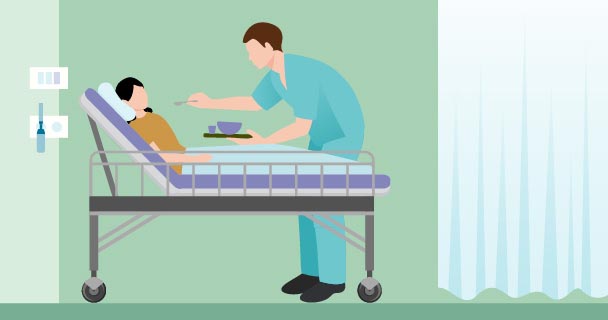
Patient safety is a nurse's top priority. Learn how nurses protect patients through bedside vigilance and a clear understanding of how and why they treat.
As a nurse, you learn from an early stage in your career that patient safety is a nurse's top priority.
Nurses are at the bedside, monitoring and caring for patients 24/7. Nursing is an occupation that has long been revered because we are a specialized profession that utilizes our knowledge as well as compassion to provide care for people when they are in their most vulnerable state.
One of my earliest memories of patient safety in nursing school was when we were preparing to administer medications. Prior to being able to administer any medications, we had to successfully complete our pharmacology class. We had to have a working knowledge of different drug classes and how they affected the body. Even when we had completed the class and mastered different administration routes (such as oral versus intramuscular), we were not quite yet fully prepared to administer medications.
Prior to administering each medication, we had to ensure we understood the indication, any potential side effects, and any important monitoring that must be done. Once we were prepared, we then had to verify the five rights of medication administration (the right patient, drug, dose, route, and time). This process occurred for every patient and every medication we administered.
While it may seem like a burdensome practice to some, it is all in the name of patient safety. Nurses do not simply follow orders. We are expected to assess, treat, and evaluate our patients. We need to have a deep understanding of how and why we are treating patients and how that treatment affects our patients.
The above example is one of the most rudimentary ways in which nurses play a role in patient safety; however, it sets the precedent for how we approach patient care in every other way. Even the most seemingly simple of tasks requires careful planning and understanding. Whether you are administering Tylenol for a headache or administering chemotherapy for a patient's first round in the fight for their life, introducing yourself when you meet a patient for the first time or reporting an assessment finding that prevents a code from occurring, you are always taking the steps to ensure every aspect of your patient's safety is upheld.
About the Author
Nicole Kraut currently works as a RN on a medical-oncology unit in Chicago, Illinois. She serves as the night shift Team Leader for the unit, in which she serves as the charge nurse and participates in leadership activities. She has been a RN for over five years. Nicole shares, "I have had the opportunity to be a new hire preceptor and have worked with fourteen new hire staff RNs. Along with being a preceptor, I have been a facilitator for our New Graduate Mentor Program, which allows new graduate nurses a place to meet once a month to learn from each other and to share their experiences."
Nicole graduated with her Bachelor of Science in Nursing from Loyola University Chicago and recently obtained a Master of Science in Nursing with an Emphasis in Nursing Education from Grand Canyon University. She "was inspired to become a nurse because I wanted to work in a career field in which I could make a difference in people's lives on a daily basis. I feel nursing is my vocation and am passionate about sharing my knowledge and experience in order to positively influence others."
Contact HealthStream to speak to a solutions expert learn more about our courses related to Patient Safety.





