Explore expert insights from HealthStream on healthcare compliance, credentialing, clinical education, scheduling, and leadership. Find practical guidance to help healthcare organizations train, retain, and support their workforce.
Practical insights on healthcare compliance, workforce development, and clinical education from the experts at HealthStream.

Upon proper research and selection of the right rounding solution for your organization's needs, it is time to begin the implementation process.
In the previous post of this series, we outlined key steps to seamlessly transition from paper-based rounding to a digital process. Today, we focus specifically on IT implementation, arguably the most important step of the transition. With any software integration, leadership must spend considerable time researching their options, understanding all technical requirements, and strategizing to get the most out of their investment.
Upon proper research and selection of the right rounding solution for your organization's needs, it is time to begin the implementation process. Below are seven steps that outline how the process should take place to ensure a successful launch.
The most exciting part - it is time to begin your new and improved rounding process!
The relationship between the hospital and vendor does not end after the hardware and software are successfully implemented. To continually improve patient care and reach organizational rounding goals, the hospital should schedule regular check-ins and notify the vendor of any changes that arise or IT issues they experience. With any new tool or program, ongoing communication between the vendor and hospital staff is crucial to the success of both parties.
Learn more about HealthStream's digital rounding solution.

Explore hospital readmissions, CMS requirements, Medicare penalties, and key factors influencing the Hospital Readmissions Reduction Program.
As required under the Affordable Care Act (ACA), CMS began imposing a penalty on hospitals with excessive Medicare readmissions in FY2013 (October 1, 2012) as part of the Hospital Readmissions Reduction Program (HRRP).
CMS defines a "readmission" as someone who has been readmitted to the same or another acute care facility within 30 days of an initial hospital stay. For the first two years, the HRRP applied to Medicare patients with diagnoses of acute myocardial infarction (AMI), heart failure, or pneumonia, but the program was expanded in FY2015 to include elective hip or knee replacement and congestive obstructive pulmonary disease (COPD) patients. CMS will expand the program again in FY2017 with the addition of coronary artery bypass graft (CABG) patients.
The program excludes patients who are transferred to another acute care facility within 30 days and patients who have planned readmissions for things such as chemotherapy or rehabilitation. The HRRP applies to all IPPS facilities but excludes psychiatric, rehabilitation, long term care, children's cancer, and critical access hospitals, as well as hospitals located in Maryland.
In the nearly three years the program has been in place, hospitals and regulators alike have learned a great deal about readmissions and the key factors driving them. We have even witnessed some unintended consequences from the HRRP. This paper discusses ten things that are important to know about readmissions.

Learn how to write effective healthcare competency statements using clear assessment criteria, policy references, and practical verification methods.
By Donna Wright, MS, RN, Consultant at Creative Healthcare Management
I get many questions from people about how detailed to get when writing a healthcare competency statement. Should you write a competency statement and then add a sub-set of details that reflect all the skill aspects of that competency or details that describe the steps of a given procedure? The answer to this is, "Not necessarily."
When measuring a healthcare competency, it is important to be specific about the objective measurement that will be used to assess the competency. However, the articulation of the objective measure that will be assessed in the competency does not necessarily have to appear in the competency documentation. Here are some examples of how to indicate the details without adding them to the competency statement:
In summary, a healthcare competency statement does not have to indicate specifically all of the details themselves as long as it indicates where the details to complete the competency can be found. If the competency statement refers to details that can be found elsewhere, you can avoid the mess of plugging up your documentation on the competency record with all the steps or details of a particular competency. And, as in two of the examples above, pointing out the details in another location actually helps to make people aware of reference tools and information systems in your organization and reinforce their use.
A staff development specialist known for her irreverent wit, Donna brings a global perspective to her work. In this country and in the over two dozen others, Donna's best known for the work she does based on two of her books, The Ultimate Guide to Competency Assessment and Relationship-Based Care (co-authored with several CHCM colleagues). The Ultimate Guidehas become the industry standard for HR departments in establishing and assessing competency, and Donna specializes in setting up systems for organizations to ensure accountability and measure competency.

Explore three insights into hospice care, including compassionate support, meaningful connections, and the lasting impact of hospice volunteers.
By Nicholas Dowd, Senior Director Consulting
As I presented to a group of HealthStream's Home Care and Hospice agency clients recently, I was reminded again of the important role hospice has played in my life and the lives of others I have known.
I was twenty-four years old and a young Assistant Administrator at a large skilled nursing facility when our older son was born at Iowa Methodist Hospital in Des Moines. It was a joyous event and one for which my wife had eagerly planned. As it happened however, only hours before our son's birth, I had been asked to be at the bedside of an elderly woman in the skilled facility where I worked. As it turned out, I stood holding that woman's hand as she passed from this life to the next.
In that 24-hour-period I experienced both ends of life's spectrum - the birth of our first baby, with family members happily awaiting the new arrival; and, the passing of a woman with no family present to comfort her. The contrast was stark and left an indelible mark on me.
As do many life events, that pair of circumstances began to shape me in ways that didn't become fully clear until years later when I knew I wanted to become a hospice volunteer. In fact, volunteering for hospice "duty" didn't become a reality for me until 15 years later. Hospice was a relatively new service then and, in some ways, a controversial one. At that time its purpose was not well understood in all quarters, yet I knew instinctively - and firsthand the importance and eternal value of just being there for someone at a time that is the most important time in life.
This brief blog entry is first to salute hospice staff members and volunteers and to share three particular insights gained as I have had the honor of attending hospice patients over the years.
Being there- There is a way to be present with and for patients who are dying. It is to respect their way of life and who they are. I am not automatically there to do what I think needs to be done for them. In fact, in the modern view of things, it may not appear that I am "doing" anything at all. Yet, just being there - perhaps sitting with them or reading to them or listening to a prayer - may be exactly what they need. Even just a quiet, reassuring presence can be therapeutic.
Often, the hospice volunteer is providing respite for a weary spouse, adult child, or partner who has been bearing the burden of caregiving and "doing" for months - or, in some cases, a year or more. Or, if there is not family involved, the volunteer can be that all-important caring presence.
The clarity that comes - One experiences moments of clarity in life - the sudden understanding of an abstract concept, the realization that someone really loves you (or not), or any circumstance when "the light comes on" and we see things as they truly are. But, nothing clarifies like facing death and coming to terms with it.
As a hospice volunteer, one often sees life more clearly through the eyes of the patient who is about to "lose" his or hers. This doesn't happen in all cases, of course. It depends on the circumstances. But, when it happens, the patient often becomes endowed with a vision that is much clearer than the clouded way the rest of us may see things in the midst of our busy lives. Life's daily struggles can obscure perception rather than enhance it. But, when a person is left with only one last hurdle to cross, those daily struggles which once loomed so important fade into the background of the one-and-only reality. That which is most important can become amazingly distinct to patient, direct care providers and volunteers in those moments of eternal clarity.
Gifts from giving - As any hospice volunteer or care provider well understands, to give is to receive. Hospice cases are, of course, not all beauty and serenity leading to a graceful passing. There are many very difficult circumstances one encounters when being present with a hospice patient-fear of death; a life ending too soon; difficulties of family dynamics and residual guilt; hurtful words spoken long ago by a loved one; or perhaps, regret that some important words were never shared. These are all things, of course, that need to be treated with deference and sensitivity.
Yet, on balance, to be involved in hospice care is truly to receive by giving. It is a calling filled with intrinsic and often unrecognized rewards - including being blessed by those in your care who bravely and beautifully take their next step.
This blog post's main goal is to shine a light of gratitude on all those who provide hospice care.

Clinical knowledge is a key part of nurse competency and needs comprehensive training, internships and continuing education. Learn how to measure it.
This blog post, focused on clinical knowledge in nursing, continues our series on measuring nursing competency.
Healthcare providers know that measurements provide in-the-moment data that leads to more successful patient outcomes. On the other side of the treatment team, measurements also are helpful in ascertaining how well providers are performing. When discussing how to measure nurse competency, it's essential to look at the components that make up that process.
For instance, what does clinical knowledge in nursing encompass? This is one of the six core measurements, along with patient care, practice-based learning and improvement, interpersonal and communication skills, professionalism and systems-based practice laid out by the Accreditation Council for Graduate Medical Education or ACGME. While targeted to physicians, the ACGME standards are a useful template for nurses and other clinicians as well.
This is where many providers fail, because they don't have any mechanisms in place to get a "moment in time" assessment of where their nursing corps are in terms of skillsets and experience. To foster success and have a better handle on clinical knowledge, a provider should look into these areas:
According to Academic Medicine, "Clinical knowledge entails information about relations of particular signs and symptoms with specific diseases." A clinician's expertise in this area is developed over time through patient encounters, where his or her "knowledge base is revised and extended continuously, resulting in efficient and adequate clinical reasoning." In addition to patient care, nurses must also be aware of roles and responsibilities across the entire care team. To best assess all of this, healthcare organizations should have customizable assessments and corresponding learning on tap for nurses. Those tools should be available to nurses online and in such a way that they can study at their own pace, followed by testing designed to assess each performer vs. comparing them to the entire nursing cohort.
Pursuing learning customized to individual learners in mind yields many immediate benefits. First and foremost, deficiencies are identified and can be targeted with remedial learning that doesn't put the learner "in time out" or on the spot. And those who are fully proficient can be moved into higher levels or new areas of professional attainment vs. having to wait for peers to catch up.
There's no time to waste. The combination of a nationwide nursing shortage, the ongoing COVID-19 pandemic, and the transition to outcomes-based reimbursement mean that skilled nurses are in higher demand than ever. A well thought out training and continuing education strategy will ensure a team that has the clinical knowledge needed to meet and exceed the challenges set before them.
Having the right clinical development solutions is essential. Equally vital is targeted areas and spaces for nurses to not only train, but also to align with peers and explore areas of career development. That will lead to increased job satisfaction, and the retention of highly skilled nurses whose clinical knowledge creates efficiencies while improving patient outcomes.
Our blog series about measuring nurse competency was developed to bring attention to all the attributes that contribute to truly competent nursing. In addition to this post, others address:
In today's value-based healthcare environment, it is more important than ever to be able to eliminate guesswork and develop a standard level of competency across the entire organization. Utilizing proven data to identify development needs is not just a nice-to-have. It's a must-have. Learn more about HealthStream solutions for nurse competency management.

Nurse engagement is a nurse's commitment to the job, organization and profession. Learn 10 risks to patient care when nurses become disengaged.
Nurse engagement measures the degree to which a nurse is committed to their job, the organization for which they work, and the nursing profession as a whole. A nurse needs to be fully engaged to deliver quality patient-centered care. When nurses are lacking in engagement, patient care can definitely suffer.
What Causes Nurse Disengagement?
Some of the characteristics of the nursing profession make disengagement a natural risk—long hours on the job, a typically chaotic and stressful work environment, staffing shortages, budget cuts, and a lack of resources.
What Are Some of the Risks of Nurse Disengagement?
When the level of nurse engagement is low, the risks to a healthcare organization are sizeable. Here are ten possible results of disengagement that can keep nurse leaders and healthcare executives worried:
1. Lack of efficiency - If nurses are not working efficiently and getting as much as possible done during a shift, patient needs can go unaddressed or neglected.
2. Lower patient satisfaction - Nurses have major influence on the patient experience. Patients often can tell if a disengaged nurse is just going through the motions.
3. More work-related injuries - According to the U.S. Bureau of Labor Statistics, nurses experience "some of the highest injury and illness rates in the healthcare and social assistance sector" (BLS, 2018). An inattentive, disengaged nurse may be more likely to experience an injury.
4. Financial costs - The cost of a disengaged nurse may be as much as $22,200 a year, according to NurseGrid. If a facility employs thousands of nurses, these costs could add up to millions of dollars (Smith, 2018).
5. Patient-centered care falters - If a disengaged nurse lacks the energy for the increased demands of patient-centered care, outcomes may suffer.
6. Rushing increases chance of errors - Following procedures too quickly and in a hurry risks mistakes and possible disastrous results.
7. Compassion fatigue and burnout - Disengaged nurses may inadvertently demonstrate a lack of real caring.
8. Inability to focus - If a nurse is not paying adequate attention to every detail of the care being provided, what falls through the cracks may lead to a catastrophe.
9. Chronic lateness/tardiness - Inattention to arriving on time for one's shift can create lasting problems for morale on an entire nursing unit.
10. Poor communication with peers - Good communication, especially for handoffs between shifts, is a hallmark of successful nursing care. If communication suffers, so may patient outcomes.
The Solution to Improving Nurse Engagement
NurseGrid, a HealthStream partner committed to transforming healthcare for the better, recently posted How to Keep Nurses Engaged and Motivated on the Job. They suggest "If a facility wants to improve nurse engagement, everyone will need to play a role. Staff members should be willing to speak up if they feel that one of their peers is disengaged with the job. The facility will need to do everything it can to provide nurses with the assistance they need, including advice and support for those that may be struggling with excess grief or stress on the job." Nurse leaders and other staff members should know and look for signs of nurse disengagement, so they are prepared to take steps to improve this situation. Reaching out to a nurse who appears to be in need and listening is the first step towards improving and recovering engagement.
References
BLS, "Occupational injuries and illnesses among registered nurses," November 2018, Retrieved at https://www.bls.gov/opub/mlr/2018/article/occupational-injuries-and-illnesses-among-registered-nurses.htm
Smith, Zach, "How to Keep Nurses Engaged and Motivated on the Job," NurseGrid, December 17, 2018, Retrieved at https://nursegrid.com/blog/how-to-keep-nurses-engaged-and-motivated-on-the-job/?utm_source=healthstream&utm_medium=blog&utm_content=10-risks-nurse-disengagement
Learn more about HealthStream Clinical Development Solutions.

Learn how modular nursing divides units into geographic modules to improve patient perceptions, continuity of care and RN accountability.
Nursing models help define how care is delivered, how resources are allocated and deployed, and can provide the structure that defines both the organization of responsibilities as well as accountability.
While staffing and nursing care models tend to come, go and or evolve, healthcare delivery issues such as nursing shortages and crises such as pandemics force regular evaluations of these models to help nursing leadership identify the nursing model that is best suited to the current situation.
Defining Modular Nursing
The primary nursing care model may not be as appropriate for the current pandemic moment, which has led some organization to consider a modular nursing model. Modular nursing is not new—it began its evolution in the 1950s—but is rather a modification of the team nursing model. Team nursing is still in practice today and calls for registered nurses and physicians to coordinate the work of the entire patient care team. In addition to the nurse and physician, the team might also include occupational and physical therapists as well as social workers and discharge planners. Eventually, the team nursing model was modified to include nursing assistants, licensed practical nurses, and some other unlicensed personnel.
Team nursing eventually evolved into modular nursing. In this model a patient care unit is divided into geographic modules with an RN as team leader. The same team of caregivers is regularly assigned to the modules. The team will include RNs and will also include LPNs and nursing assistants. Typically, each module will have access to the medications, supplies, and linens needed within the module. The goal of modular nursing is to make patient care less fragmented and is most frequently used in inpatient and outpatient care areas.
Modular Nursing - Capitalizing on Strengths
The healthcare delivery system in the U.S. continues on its journey of value-based rather than volume-based care, and healthcare providers are evaluating nursing models that support value-based care.
The modular nursing model has the potential to provide advantages for both patients and nursing staff and may be a particularly good fit for value-based care.
Modular Nursing - Managing Weaknesses
While advantages appear to outweigh disadvantages, there can be some challenges as well:

Systems-based practice means seeing patient care within the wider healthcare system. Learn how to measure this nurse competency in our series.
This blog post, focused on Systems-Based Practice in Nursing, continues our series about measuring nurse competency.
Systems-based Practice in Nursing involves patient care from a wider perspective. According to the University of Maryland Medical Center, this approach requires practitioners to "demonstrate an awareness of and responsiveness to the larger context and system of health care, as well as the ability to call effectively on other resources in the system to provide optimal health care." This approach also includes special attention to cost awareness, risk benefit analysis, patient care quality advocacy, inter-professional teamwork, system error identification, and developing and implementing systems solutions.
For nurses, the goal of systems-based practice is really to enhance the quality and safety of patient care. According to the Massachusetts Action Coalition, "Nurses play a critical role in the microsystems and macrosystems of health care delivery and the nurse of the future will recognize the importance of individual and group actions on quality and safe patient care. Nurses will need to understand and initiate cost containment, resource allocation, patient advocacy and interdisciplinary collaboration to ensure the delivery of quality patient care. Successful implementation of a systems-based practice would include interdisciplinary patient rounds, mechanisms for respectful interdisciplinary approaches to patient care issues and team building activities." Ultimately the goal "for the nurse of the future is to enhance and improve the interdisciplinary system of patient care while understanding the legal, political, regulatory and economic factors that influence the delivery of health care."
A 2020 article from the Agency for Healthcare Research and Quality (AHRQ) offers that education for medical professionals is changing. It states, "Historically, the approach to medical and nursing education has focused on establishing an understanding of body systems and the technical processes associated with diagnosis and treatment, with training often incorporating extensive memorization and practice of procedures until knowledge and basic proficiency is acquired. Over the past two decades, the competency-based evolution in education has shifted the focus to outcomes or healthcare professionals' competencies in patient safety education and systems-based practice."
Evaluating systems-based practice competency is one of the most challenging areas of nurse competency management. Systems-based practice is an approach that applies to all areas of care, and it can be specialized by nursing role and practice environment. As an overall guide to how these evaluations work, envision a wider view of the components of the healthcare system and how an individual patient may interact with them. A clinician who has mastered this competency will have knowledge of every direction care can lead and what is optimal for specific patients. Systems-based practice is one way to improve outcomes while paying special attention to health equity and improving healthcare delivery. Some examples of systems-based practice in healthcare are approaching identified problems with the goal of fixing them rather than just relying on a workaround, working in interprofessional teams to enhance patient outcomes, and understanding how all the different care settings work together for patients. Understanding the healthcare system and an individual professional's role in it encourages clinicians to want to change the system for the better, leading to gains in safety and better health care for the larger population.
Our blog series about measuring nurse competency was developed to bring attention to all the attributes that contribute to truly competent nursing. In addition to this post, others address:
In today's value-based healthcare environment, it is more important than ever to be able to eliminate guesswork and develop a standard level of competency across the entire organization. Utilizing proven data to identify development needs is not just a nice-to-have. It's a must-have. Learn more about HealthStream solutions for nurse competency management.
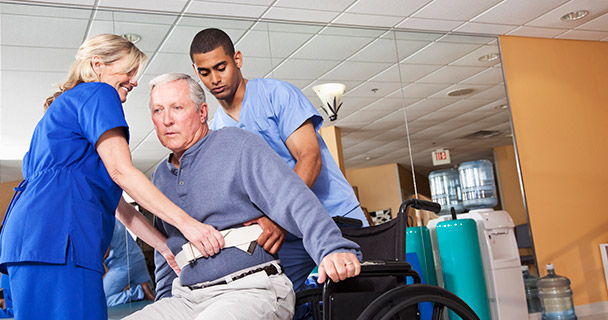
Physical rehabilitation and restorative healthcare are complementary but distinct. Learn how each fits on the continuum of care and their separate goals.
Physical rehabilitation and restorative healthcare are complementary, but very different from one another. They occupy quite different spaces on the continuum of care, and each has its own separate and distinct goals and objectives. In addition, the care is delivered by two different sets of professionals.
Physical rehabilitation is the process of restoring the person to their highest possible level of physical, psychological, social, or economic function. In physical rehabilitation trained professional therapists are responsible for evaluating patients and their needs and then designing plans of care that will meet those goals. As many as one-third of all people over the age of 65 could benefit from rehabilitation whether due to a lifelong physical disability or due to a disability that is a result of an accident, surgery, or illness. It can be delivered in a variety of settings—regular acute-care hospitals, inpatient physical rehabilitation facilities, outpatient rehabilitation facilities, and in the patient's home.
The scope of services that might be included in this category is rather broad and might include such activities as re-learning activities of daily living, recovering speech skills after a stroke, regaining physical strength and range of motion after an accident, and learning new ways of moving or accomplishing tasks after an injury, accident, joint replacement, or other type of surgery. Typically, physical therapists will work with a patient's physician and perform their own musculoskeletal examinations and evaluations and establish a treatment plan that is unique to each patient.
Just as the scope of services that might be included in physical rehabilitation is rather broad, a physical therapist's options for treating patients are equally broad. Treatment typically includes exercises designed to build strength and restore range of motion while reducing pain in joints and/or muscles. Ultrasound and acupuncture may also be used as complementary therapies.
When a patient has met their physical rehabilitation goals and is discharged from rehabilitation, what happens next can make a big difference for the patient. Does the patient maintain the progress that they made in physical rehabilitation or do they lose ground? The answer can depend on whether or not there is a plan for restorative healthcare to follow physical rehabilitation.
While physical rehabilitation is performed by licensed physical therapists, in restorative healthcare the evaluation, plan of care, and much of the care itself is provided by nursing staff. The assessments and the care are typically less complex than those provided in physical therapy. Restorative programs help ensure that patients retain the skills gained in physical therapy and prevent declines that can impact the quality of a patient's life.
While there are differences between physical rehabilitation and restorative healthcare, both cover a broad spectrum of treatments and services. Restorative healthcare services might include exercises to maintain or improve a patient's range of motion, fall prevention, assistance with splints, braces and prosthetics, training on how to move within and transfer from and to a bed, assistance with eating and swallowing and maintaining activities of daily living such as grooming, dressing and toileting,
If you would like to learn more about physical rehabilitation and restorative healthcare, please click here: https://www.healthstream.com/resource/blog/home-or-facility-the-pros-and-cons-of-in-home-medical-care
There is a long list of challenges for providers across the care continuum, outside of acute care. For example, with consistent wage pressures, shifting compliance regulations, and rising acuity levels among resident populations, the skilled nursing and LTC workforce is feeling more pressure than ever before. HealthStream works with organizations throughout non-acute care to address these challenges, from keeping pace with regulatory requirements to engaging and developing competent staff who can satisfy the demands of increased patient complexity. By partnering with HealthStream, organizations are equipped to seamlessly manage the pressures of surveyor visits, while remaining focused on high-quality patient and resident care. Learn more about HealthStream solutions for non-acute care organizations.

Learn how proper care coordination can enhance patient experiences and improve outcomes. Discover strategies for better health management.
Given the multiple tracks that healthcare can take, from inpatient to outpatient and even to community settings, there is a need for care coordination and management of the transition between providers and all settings of care. Unfortunately, this coordination is often episodic or overlooked, and it tends to be organized around a specialty, not primary care. Further, transitions frequently occur with no point person held accountable for coordination.
According to the Agency for Healthcare Research and Quality (AHRQ), "Care coordination in the primary care practice involves deliberately organizing patient care activities and sharing information among all of the participants concerned with a patient's care to achieve safer and more effective care. The main goal of care coordination is to meet patients' needs and preferences in the delivery of high-quality, high-value health care. This means that the patient's needs and preferences are known and communicated at the right time to the right people, and that this information is used to guide the delivery of safe, appropriate, and effective care."
Care coordination has been identified as an important way to improve how the healthcare system works for patients, especially in terms of improved efficiency and safety. Most importantly, care coordination applied in a targeted way has the potential for improved outcomes for patients, providers, and payers.
Coordinated care is being implemented throughout the care continuum. You may ask, ‘What does a patient care coordinator do?" Here are some detting-specific examples from the New England Journal of Medicine of patient care coordination and how it can strengthen care:
It's easy to understand why care coordination could make a big different in how one interests with the healthcare system. Here are a few examples that demonstrate the potential impact:
A previous HealthStream blog post about patient care coordination shared that nurses can change this culture of single-setting handoff by communicating: "Yes, you're here today, but my colleagues have given me a better picture of where you are in your transition. Because of our time together and my commitment to your care coordination and managing your transition, I now have a better appreciation of where you're going and who's going to be taking care of you there." Under the old paradigm, the message might have been, "This completes your visit today, and thanks for coming. Goodbye." We now emphasize that the registered nurse is now invested in what's happening to that person when they're out of sight. This represents a major change in the way we think about how we provide care.
At HealthStream we spend a lot of time focused on improving outcomes by supporting and developing the clinical workforce. HealthStream's jane™ is The World's First Digital Mentor for Nurses. Jane harnesses the power of artificial intelligence (AI) to create a system that personalizes competency development at scale, quickly identifies risk and opportunity, and improves quality outcomes by focusing on critical thinking. Leveraging decades of research and with over 4 million assessments completed, Jane was designed to power lifelong, professional growth of clinical professionals. JaneTM is an important component of HealthStream's suite of clinical development solutions.
Typically, intensive care coordination involves a multidisciplinary team of healthcare professionals who work collaboratively to develop and implement a personalized plan for individuals needing ongoing, multifaceted care. This coordination ensures that all aspects of a patient's care, from medical treatments to social support, are seamlessly integrated to promote the best possible health outcomes. Intensive care coordination is critical for patients with chronic illnesses or those facing significant health challenges, as it facilitates timely communication among caregivers, reduces the incidence of medical errors, and aids in navigating the healthcare system efficiently.
Care coordination and care management are two interrelated concepts within the healthcare system, but they serve distinct roles. Care coordination primarily focuses on organizing patient care activities and sharing information among all participants concerned with a patient's care to achieve safer and more effective outcomes. It ensures that a patient's needs and preferences are respected across all services, often involving managing logistics and resources, and addressing any gaps that may occur in treatment. Meanwhile, care management refers to a more comprehensive, ongoing process that involves assessing the health needs of patients, developing care plans, and providing necessary interventions. It typically targets high-risk patients, with the aim of reducing hospital admissions and improving the quality of life through proactive and preventive care.
One of the main characteristics of care coordination is its emphasis on communication among healthcare professionals, patients, and their families. Effective communication is crucial in ensuring that all parties involved in a patient's care are informed, aligned, and working towards shared health goals. Care coordination involves establishing clear channels of communication to facilitate the exchange of vital information regarding a patient's treatment plan, progress, and any changes in their health status. This collaborative effort helps to minimize misunderstandings, reduce the likelihood of errors, and ensure that the patient receives comprehensive and coherent care tailored to their specific needs.

Maternal death and injury data show room for improvement. Learn six quality improvement strategies for maternal and neonatal care from a webinar.
This blog is the second of three taken from a recent Webinar featuring Lindsay McAlister, BSN, RN; Alexander Walker, PhD, Senior Director, Learning and Research Design, MedStar; Dr. Tamika Auguste, Associate Medical Director and Director OBGYN Simulation, MedStar Health; and Kris Karlsen, PhD, APRN, NNP-BC, FAAN, Program Author and Founder, S.T.A.B.L.E.
To make the case for our need to improve maternal and perinatal care, Dr. Tamika Auguste starts off with some disappointing statistics on infant and maternal mortality in this country.
Dr. Auguste acknowledges that it is somewhat difficult to determine the root cause of these disappointing figures. Some physicians and researchers believe that the issue is actually a result of better data collection and more accurate reporting of maternal deaths and complications. Or, is it possible that these statistics could simply be reflecting changes in the characteristics of pregnant women? Factors such as advanced maternal age and health issues such as obesity and diabetes may also play a role. However, Dr. Auguste and many of her colleagues believe that these issues are likely accounting for just a small percentage of the problem and that clinical issues directly under the control of providers and healthcare organizations play the most significant role. So, with the problem fairly well defined, where do we begin our improvement efforts?
Dr. Auguste recommends the following tactics for providers and organizations seeking quality improvement in maternal and neonatal care.
Alexander Walker, PhD leads MedStar's SiTEL (Simulation, Training and Education Laboratory). Dr. Walker advocates a systems-based approach to organization-wide issues that includes education as part of the solution. The first step in the process is a thorough understanding of the problem. Dr. Walker and his team then use this understanding of the problem to design the most effective education that includes the appropriate topics and educational tools. Dr. Walker's rigorous approach to educational design is just a part of HealthStream's Quality OB program (co-developed by MedStar SiTEL). The approach produced some very impressive results for the healthcare system. After implementing the Quality OB program, they attained zero serious OB safety events in 2019 and zero lawsuits related to shoulder dystocia in FY 2018-2019.
Maternal care is one of the highest risk levels of care. Not having the right training can lead to poor communication, higher costs, and unnecessary harm. HealthStream offers industry leading solutions that will train your staff to deliver the highest quality of care for mother and baby before, during, and after delivery.
Learn more about HealthStream's Quality Obstetrics program
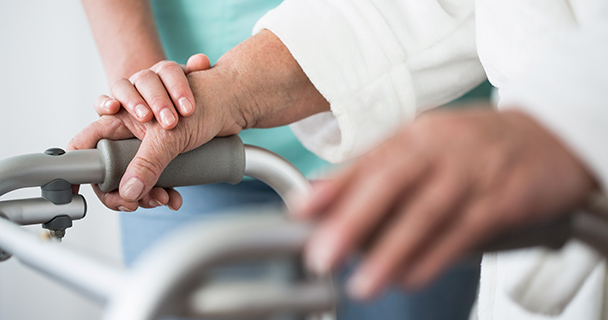
Staffing levels are a top determinant of long-term care quality. Learn how short staffing affects resident and financial outcomes.
Healthcare is an industry in the midst of transformation driven by demographic change, financial instability, and technological advance, not to mention the immediate issue and yet to be determined ramifications of the COVID-19 pandemic. Many non-hospital organizations across the care continuum are reeling from challenges to how they have long operated. Not only is it becoming harder and harder to retain employees, but everyone in healthcare needs more staff to care for our aging population. At the same time, government oversight and the wide range of measures aimed at improving the quality of care are not likely to go away anytime soon.
Staffing levels are one of the most important determinants of whether a long-term care facility is providing adequate care. However, many nursing homes have employee coverage issues and are failing the meet the CMS requirement "that a registered nurse be on-site at least eight hours every day" (Rau & Lucas, 2019). To verify staffing levels as part of the ratings effort for the Nursing Home Compare Website, CMS now requires facilities to submit their payroll records. A Kaiser investigation found that "nursing homes had fewer nurses and caretaking staff than they had reported to the government, according to new federal data, bolstering the long-held suspicions of many families that staffing levels were often inadequate" (Rau, 2018).
Understaffing is extremely important, as it "can indirectly cause nursing home abuse because overwhelmed and underpaid nursing home staff members and caregivers are more likely to be abusive to a nursing home resident" (Nursing Home Abuse Center, 2019). Inadvertent neglect is a natural product of understaffing—residents are dependent on caregivers who are stretched too thin. Increased psychological problems may result, as well as physiological conditions. The reasons for understaffing are varied—it may be intentional on the part of some organizations as a strategy to reduce labor costs. Nursing facilities also may have a serious problem finding and retaining adequately trained nurses. High turnover among staff results in a greater burden on those who stay, leading to stress and burnout. Payroll records submitted to Nursing Home Compare "reveal frequent and significant fluctuations in day-to-day staffing, with particularly large shortfalls on weekends" (Rau, 2018).
Nursing Home Abuse Center, "Understaffing in the Nursing Home," November 14, 2019, Retrieved at https://www.nursinghomeabusecenter.com/ nursing-home-neglect/understaffing/.
Rau, J., "Most nursing homes are not adequately staffed, new federal data says," PBS Newshour, July 13, 2018, Retrieved at https://www.pbs.org/newshour/health/most-nursing-homes-are-not-adequately-staffed-new-federal-data-says.
Rau, J., and Lucas, E., "Short-Staffed Nursing Homes See Drop In Medicare Ratings," Kaiser Health News, May 3, 2019, Retrieved at https://khn.org/ news/short-staffed-nursing-homes-see-drop-in-medicare-ratings/.
This blog post begins a series based on our article, Top Issues Across the Care Continuum, which looks more closely at some of the serious concerns of healthcare organizations across the care continuum. Subsequent challenges to be examined include:
There is a long list of challenges for providers across the care continuum, outside of acute care. For example, with consistent wage pressures, shifting compliance regulations, and rising acuity levels among resident populations, the skilled nursing and LTC workforce is feeling more pressure than ever before. HealthStream works with organizations throughout non-acute care to address these challenges, from keeping pace with regulatory requirements to engaging and developing competent staff who can satisfy the demands of increased patient complexity. By partnering with HealthStream, organizations are equipped to seamlessly manage the pressures of surveyor visits, while remaining focused on high-quality patient and resident care. Learn more about Healthstream solutions for non-acute care organizations.





