Explore expert insights from HealthStream on healthcare compliance, credentialing, clinical education, scheduling, and leadership. Find practical guidance to help healthcare organizations train, retain, and support their workforce.
Practical insights on healthcare compliance, workforce development, and clinical education from the experts at HealthStream.
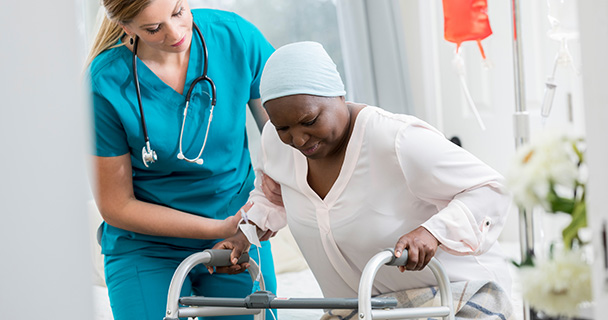
Is home health care better than hospital care? Compare benefits as value-based care changes how and where healthcare is delivered.
The model for delivering healthcare in the United States has changed over the last years—and it has changed in some pretty big ways. While there have been substantive changes in the ways in which healthcare is paid for, it is also true that the "where" of how healthcare is delivered may represent one of the biggest changes as more care continues to move to a variety of outpatient settings.
Provision of acute care services is almost exclusively the domain of acute care hospitals in the U.S., but hospital at home programs are flourishing in counties like Canada, Australia, and Great Britain. These countries have payment policies that support the provision of care by a home health care nurse, in less-costly environments. For example, in Victoria, Australia, as much as 6% of all hospital bed days are actually provided at home. This type of substitution can produce dramatic savings and help avoid the inpatient bed shortages that have been fairly prevalent recently. Moreover, evolving technology is making high tech care at home more practical as a means of avoiding common patient care issues in hospitals.
In the U.S., most home healthcare is sub-acute. However, the hospital at home model has been tested and developed in this country by one of the best-known medical institutions in the country—the Johns Hopkins Schools of Medicine and Public Health. The model is also being implemented at other sites as a means of treating primarily older adults by a home health care nurse, while avoiding patient care issues in hospitals, and achieving gains in cost-effectiveness, patient safety, quality, and not surprisingly, patient satisfaction.
While single payer systems in other countries have embraced this model of care, U.S. payers have not been so interested. American hospitals that have implemented hospital at home programs rely primarily on grant money for reimbursement for care as the efficacy of this model is studied. Home health care in the U.S. remains a supplement to inpatient care, even as we all recognize the advantages of lower home health care cost.
Payer reluctance is somewhat surprising, as Hopkins early trials found that the cost of providing care at home was about 32% less than the same care provided in an inpatient setting. This care model also reduced the length of stay by about one-third and also reduced the incidence of delirium from 24% to just 9%. There appears to be substantial financial and clinical benefits. More recent data from a study published by the Journal of General Internal Medicine shows even more substantial savings with the average daily cost of an inpatient hospital stay at roughly $6,200.00 and the average cost of a home health visit at just $135.00 (Levine et al, 2018).
While certain aspects of this care model such as cost, length-of-stay, incidence of delirium, etc. may be fairly easy to quantify, other aspects might be a bit more difficult to quantify. The care model was originally adopted in order to treat elderly patients who needed acute care but were reluctant to be hospitalized or who were at significant risk of hospital acquired infections which may mean that elderly patients are somewhat more likely to get the care that they need. Even less tangible is the patients comfort level at home versus in an inpatient setting.
The shift from volume to value in healthcare may help both payer and providers be more proactive in seeking more cost-effective alternatives to inpatient care. Research on the topic is largely in preliminary stages, but a 2019 study published by the American Journal of Accountable Care (Howard et al, 2019), estimated that if acute care for just five conditions (congestive heart failure, chronic obstructive pulmonary disease, urinary tract infection, and cellulitis) could be provided in a home setting, it would result in as much as a $3.7 billion in savings. This same study also found substantial clinical advantages for home health care.
Levine, David M, Ouchi, Kei, Blanchfield, Bonnie , Diamond, Keren, Licurse, Adam, Pu, Charles T. Schipper, Jeffrey L. (2018, February 06) Hospital-Level Care at Home for Acutely Ill Adults: a Pilot Randomized Controlled Trial - Journal of General Internal Medicine, https://doi.org/10.1007/s11606-018-4307-z
Howard, James, Kent, Tyler, Stuck, Amy, Crowley, Christopher, Zeng, Feng (2019, March 04) Improved Cost and Utilization Among Medicare Beneficiaries Dispositioned From the ED to Receive Home Health Care Compared With Inpatient Hospitalization - The American Journal of Accountable Care, https://www.ajmc.com/journals/ajac/2019/2019-vol7-n1/improved-cost-and-utilization-among-medicare-beneficiaries-dispositioned-from-the-ed-to-receive-home-health-care-compared-with-inpatient-hospitalization
Explore HealthStream's Workplace Development Solutions for Home Health Care.

Reinvent your nursing onboarding with Jane's AI-powered insights and personalized training solutions. Dive into Jane today.
Stepping into a busy healthcare organization, whether as a longtime clinician or a new graduate, is tough for any nurse. Regardless of experience level, it's natural for the "newbie" to feel a little disoriented. How can supervisors and others among the leadership in nursing help their new teammate not only onboard more quickly, but also uncover their competencies in various core tasks and so ensure the best fit, or fix any hidden deficiencies early on?
Here's how. HealthStream has introduced the Jane™ system, the first-ever AI-based competency assessment solution using a conversational format. Powered by IBM Watson, Jane is a highly reliable, effective, and evidence-based method for the assessment and validation of clinical competency. What's more, Jane is a comprehensive system and virtual nurse advisor whose approach to ensuring the readiness and ability of your nursing staff can provide multiple benefits to your organization.
Those benefits include the ability to:
Enhance current orientation processes for newly licensed and experienced hires. Is your orientation aligning to and matching where your new hires are in their careers? New clinicians in their first job or an early career position need a far more extensive introduction than seasoned professionals who are joining your organization as the next step in their careers. Jane acts as a nurse advisor in assessing each hire, then allows you to curate unique education plans based on each individual's specific results, rather than taking a blanket approach and putting every new hire through the same process.
Improve clinicians' clinical competency. Jane can be deployed to evaluate the competency of existing staff and use those findings to assign training in any areas where deficiencies are discovered. Jane also can factor in evidence-based practice changes to long accepted standards and healthcare processes, to ensure that staff is providing the highest quality care.
Decrease organizational risk. Competent employees providing the highest-quality care reduce risk for the organization. Jane helps reduce the concern among leadership in nursing that clinicians may not know what they are doing or may not be following the latest evidence-based best practices.
Jane can be of assistance not just with employees at different experience and skill levels, but also in many different areas throughout the organization and the continuum of care. For instance:
Jane is an exciting, innovate solution to onboarding and resolving ongoing competency concerns. In addition to being comprehensive, Jane also is nimble—the system is built on a growing database of knowledge and critical thinking assessment and taps into a large and expanding continuing education library. Future developments include regulatory exams and associated learning relevant to the continuing care industry, making the use of Jane as a virtual nurse advisor an invaluable addition all across the continuum of care.
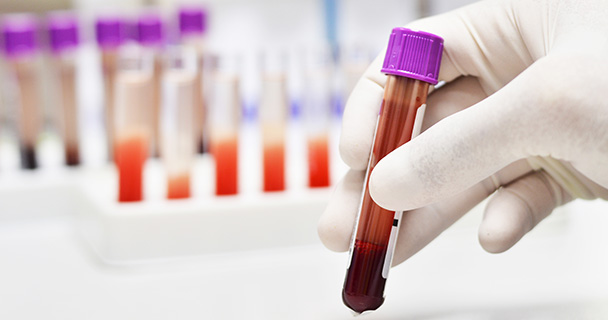
As many as 5.6 million healthcare workers risk blood-borne pathogen exposure. Learn how to prevent the spread of the three most common pathogens.
Occupational exposure to blood-borne pathogens has long been known to be a risk for healthcare workers. The Occupational Safety and Health Administration (OSHA) estimates that as many as 5.6 million healthcare workers are at risk of being exposed to these (and other) pathogens. So, what is the latest on the three most common blood-borne pathogens? What are they and what is the best way to prevent exposure
While there are many blood-borne pathogens that exist in the healthcare workplace, there are three that are the most common and perhaps the most troubling—human immunodeficiency virus (HIV), hepatitis B virus (HBV) and hepatitis C virus (HCV).
The Centers for Disease Control (CDC) warns of two potential means of exposure to these pathogens:
While most healthcare leaders might be able to readily name the various ways in which their organizations have committed to keeping patients safe, they may be less able to articulate how their staff is being protected in that same culture. On the surface, that may sound like bad news. However, the good news is that a robust and intentional safety culture tends to protect both patients and staff.
Universal and standard precautions are the bulwarks in the prevention of the spread of these pathogens. Universal precautions treat all human blood and many other bodily fluids as potentially infectious. Standard precautions include the use of handwashing as well as the use of protective or barrier equipment such as gloves, gowns and masks.
In addition to these precautions, OSHA requires the following elements as part of any plan to prevent transmission:
HealthStream can help your organization meet these requirements, improve your safety culture, and minimize risks to patients and employees. Investigate providing a blood-borne pathogen class.
Make Sure Your Healthcare Training Meets All Relevant Federal and State Training Requirements.

Nurses face constant information overload. Learn three ways nurse management can improve communication without overwhelming staff.
Nurses have little control of how much information is coming at them, whether in terms of volume, frequency, or urgency. When nurses receive information, they're expected to process the information, determine its importance, and potentially act on it. This can occur multiple times daily. Many sources detail how information exhaustion is prevalent in the healthcare environment. Compounding the problem is the proliferation of alarms of all types in healthcare. Nurse.org warns that "Unfortunately, due to the high number of false alarms, alarms that are meant to alert clinicians of problems with patients are sometimes being ignored. Assuming that an alarm is false puts patients in harm's way and could lead to medical mistakes" (Gaines, 2019).
Organizational communication makes its own contribution to the informational overload in healthcare. NurseGrid, a HealthStream partner committed to transforming healthcare for the better, recently posted Information Overload in the Nurse World & How to Fix It." Here are some ways they shared for healthcare management to lessen the potential for overwhelming staff with information.
The communication problem in healthcare emphasizes how nurse managers have to be more intentional in their efforts to communicate with their employees. Caring for patients is too important to waste their time with unimportant information. Likewise, more controlled and purposeful methods to communicate can help staff absorb more information with half the annoyance.
References
Gaines, K., "Alarm Fatigue is Way Too Real (and Scary) For Nurses," nurse.org, August 19, 2019, Retrieved at https://nurse.org/articles/alarm-fatigue-statistics-patient-safety/.
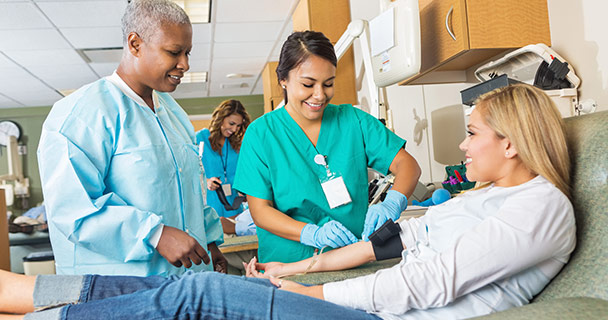
January is Thyroid Awareness Month. Learn what the thyroid does for your health and how to raise awareness and boost screenings.
If you aren't aware that January is Thyroid Awareness Month, chances are you're not alone. And if you're also not fully aware of all that your thyroid does for your health, you're not all by yourself in that, either. And that's something needing change, because thyroid health is very integral to our overall health and well-being.
First, let's look at what this hard worker is and does. The thyroid is located in the middle of the lower neck, where it produces hormones T3 and T4, both of which affect every cell in the body. Here's what they do:
If the thyroid is producing too much or too little T3 and T4, those conditions are known as:
Hyperthyroidism: occurs when the thyroid produces too much T4, and its symptoms include irritability, nervousness, shaking, muscle weakness, sudden weight loss, and sleeping problems. It also can result in Graves disease, a type of hyperthyroidism affecting about 1 percent of the population. This genetic autoimmune condition can cause the tissue and muscle behind the eyes to swell (Graves opthalmopathy).
Hypothyroidism: occurs when the thyroid doesn't produce enough T3 and T4 hormones, or enough thyroid-stimulating hormone (TSH), and symptoms include extreme fatigue, depression, forgetfulness, and weight gain.
Up to 20 million Americans suffer from a thyroid condition, and more than half of them don't' even know it. Of that group, women are five to eight times more likely to have thyroid problems, the causes of which remain largely unknown.
It's important to have the thyroid checked out during a regular physical, because undiagnosed thyroid disease can lead to serious conditions, including cardiovascular diseases, osteoporosis, and infertility. The good news? Hyperthyroidism is a lifelong, but treatable, condition, usually that involves daily use of the synthetic thyroid hormone levothyroxine to regulate hormone levels. It can be diagnosed with a blood test and other thyroid tests. Treatments include anti-thyroid medicines and radioactive iodine to slow hormone production, and in some cases, surgery can be an option.
A regular exam also can help catch thyroid cancer early, greatly improving the chances of a successful treatment regimen and outcome. Thyroid cancer is relatively uncommon in the United States, it is estimated that in 2016, 64000 new patients were diagnosed with one of the four types of thyroid cancer, compared to more than 240,000 patients with breast cancer and 135,000 patients with colon cancer, according to the American Thyroid Association (ATA)). However, the ATA adds, fewer than 2,000 patients die of thyroid cancer each year. In 2013, the last year for which statistics are available, more than 630,000 patients were living with thyroid cancer in the United States.
While thyroid conditions are not too common and can be treated, the bad news is that they can bring a lot of physical and mental challenges with them. Symptoms can be severe, making it hard to work or keep to a regular schedule. And hypothyroidism comes with doctor visits to regulate medicine and check for dosage changes as needed. So, if you are dealing with a thyroid condition, stick to your medication regimen. And if some of the above symptoms sound familiar, and you haven't had a physical in a while, now's a good time to get that scheduled and see if your thyroid is operating as it should be.

Attitudes toward sexual abuse and harassment have changed. Learn how organizations and employees should respond and why the intricacies matter.
We live in a world where attitudes about handling sexual abuse and harassment on an institutional level have changed drastically. The alteration is demonstrated in a recent effort by Hammond and Company, a New York City-based organization, to track media reports about allegations involving individuals in positions of prominence in organizations. At this point, Hammond and Company has tracked over 1200 recent allegations.
Here are some of the concepts involved. The first is sexual harassment, which arises in the general context of employment, and is primarily aimed at employees, those being recruited, or potential prospects. This transgression occurs in a work environment, where requiring appropriate sexual conduct has been made a condition of their hiring or retention. Interestingly, harassment has recently been extended to non-employees in the workplace.
Sexual abuse applies to relationships, where the trust between two people has been compromised by non-consensual or illegal sexual activity; in healthcare, this can include a physician or other healthcare provider and a patient. Other similar areas exist in religion, between a member of the clergy and a congregant, or elsewhere in business, between a counselor and a client. A subcategory of sexual abuse occurs when one of the participants lacks the capacity to give consent. One group of people who lack the capacity to consent are inmates—those who are incarcerated cannot have sex with correction officers or prison staff. Children under age 16 cannot consent to sex. Many states have a statute that prohibits sexual interaction between students and teachers, at least below the college level. Other prohibited groups are people with mental limits or illness, and especially sedated patients.
At a basic level, sexual abuse and sexual harassment is considered improper conduct involving individuals. However, it is important to understand the responsibility of organizations to prevent and respond to these situations. A guiding principle is that every employee is entitled to work in an environment free from sexual harassment. To guarantee this right, there are multiple people in many organizations who have a duty as "mandated reporters." These are people who have responsibilities with respect to sexual abuse—they aren't limited to positions of significant authority, like members of the board or officers of an organization or company.
In healthcare, for example, mandated reporters are individual physicians, interns, residents, hospital staff, therapists, and a whole range of other people. They all have responsibilities and a process they're supposed to deal with any sexual abuse or harassment that comes to their attention. In healthcare, nursing homes are now getting much more attention when sexual abuse of patients has occurred. Here again individual nurses, doctors, and therapists have a responsibility to report anything about which they're aware.
A complexity just being understood, especially in healthcare, is organizational liability beyond employee and employer. If sexual harassment is perpetrated by a non-employee in the workplace, an employer is still required to take immediate and corrective action. There can be a wide variety of non-employees in a healthcare work environment. Think about medical organizations where you have large numbers of voluntary medical staff. The obligation is to articulate organizational expectations about abuse and harassment for everyone involved. Non-employees can file sexual harassment complaints, as can volunteers, vendors, or patients. The concept of a working environment in healthcare that's free from sexual harassment includes everyone involved in it. Failing to take a wider view, many organizations still focus their training most heavily on employees, and they're mainly used to responding to complaints about bad behavior involving employees. Clearly, many other people in a healthcare environment are at risk of being harassed, and you have to broaden your reach to include all the people to whom any of these restrictions apply.
This blog post is the second in a series based on the HealthStream webinar, Fostering a Safe and Secure Workplace, led by James Sheehan. Sheehan is currently Chief of the New York Attorney General's Charities Bureau, which oversees compliance and regulation of the nation's largest charity sector. Prior to this role he was the New York City Human Resource Administration's first Chief Integrity Officer overseeing audit investigation and data analysis for the nation's largest social services agency. He has additional experience as New York State's first Medicaid inspector general, overseeing the country's first mandatory compliance program. He also was an assistant and associate U.S. Attorney in the Eastern District of Pennsylvania, where he developed a nationally recognized program working with whistleblowers under the False Claims Act.

Compare the work ethics, views on authority and collaboration styles of Baby Boomers, Gen X and Millennials in healthcare workplaces.
When people of multiple generations work together, understanding the nuances of generational work ethics is crucial. Each cohort, including Gen X, Millennials, and Gen Z, brings their unique perspectives to the workplace, significantly influencing their approach to tasks and collaboration. The Gen X work ethic is characterized by a need for balance in life; despite their dedication, they prioritize personal well-being over long hours, resulting in a more measured approach to work. In contrast, the Millennials work ethic is driven by determination and collaboration, as they thrive on input and dialogue, showcasing their tenacity in striving for their goals. Meanwhile, Gen Z work ethic mirrors some aspects of their Millennial predecessors but tends to lean towards a preference for flexibility and creativity, valuing feedback and face-to-face communication. Recognizing and appreciating these generational work ethics fosters a more effective collaborative environment, especially in the healthcare sector, where the ultimate aim is to deliver better patient experiences and outcomes. Here are some generalizations about how the five generations in the healthcare workforce feel about work:
The work ethic of the silent generation can be described as dedicated. For this cohort, even if someone feels sick or doesn't want to go to work, not going is never an option. They are respectful of authority and appreciate hierarchy. Typically, a boss was held in high regard. If you saw your boss coming towards you for a conversation, it wasn't a good day and you probably lost your job.
Coming from a world where the economy was thriving and opportunities were booming, baby boomers tend to be driven in terms of their work ethic. Many people in this generation had an opportunity for a career and a university education, unlike their counterparts earlier in history. Women and minorities earned degrees and were in positions of authority like never before. They have respect for work as a result, as well as for official qualifications or credentials. Their view of authority is one of extremes—both love and hate. In healthcare, a manager with an open shift knows that if called, a boomer is very likely to show up. For that reason, many managers had a tendency to lean on them more heavily than other generations.
For that same empty shift mentioned above, a Generation X employee is less likely to come in. Though Gen Xers still have a positive work ethic, they are more attentive to wanting balance in their lives. Many among this group were the first generation whose parents both worked outside of the home. Their fathers were working 60 or 80 hours a week, to the detriment of their family relationships. Some of this led to divorce. Gen Xers have looked at their own situation and said I'm not going to be that person. That's why they want more balance. What impresses these workers more than credentials is hard work and competence, as demonstrated by leaders.
Millennials are very determined when it comes to work. If a millennial employee knows what he or she wants to do, there's no stopping them. They've been encouraged to talk and to be heard. The need to have input, basically on everything in terms of their jobs, is not being impolite. They're just speaking up and having a conversation about what they think is important. It may just be their leaders who are not used to having a dialogue about decisions. Collaboration is second nature for millennials. They like helping each other with no thought of what they're going to get in return. Working collectively is part of their DNA; they can multitask, more than anybody else, and they are very tech savvy. These workers typically are tenacious and very optimistic about what they can achieve.
Generation Next resembles their millennial predecessors, yet with a shorter attention span and more limited interpersonal skills, balanced by super technology skills and creativity. They're very open minded and very appreciative of feedback. They're looking for rewards, and recognition, and yet money is not as important to them. This group wants to have a flexible lifestyle that lets them do what they want. Face to face communication is valued, as is working in teams, and they're looking for a job where their creativity is valued.
Ultimately, if you're working in any industry with people of a different generation, you need to have a grasp of how their approach to work might differ from your own. That'll make working together far more effective, which is vital in an industry like healthcare, where the goal is better patient experiences and outcomes.
This blog post is the second in a series based on the HealthStream webinar, Navigating a Multigenerational Healthcare Workforce, led by Leana D. McGuire, Director of Learning & Development at United Surgical Partners. She has been an RN for over 25 years, graduating with her nursing degree in Canada. Leana spent most of her nursing career working in the CCU and as a heart transplant coordinator, but after obtaining a degree in organizational development, she transitioned from the bedside to focus on her passion for leadership and staff development.

Nurses advocate for patients, themselves, their profession and healthcare as a whole. Learn five ways nurse advocacy benefits everyone involved.
According to the American Nurses Association (ANA), "Advocacy is a pillar of nursing. Nurses instinctively advocate for their patients, in their workplaces, and in their communities; but legislative and political advocacy is no less important to advancing the profession and patient care" (ANA, n.d.). Being a vocal advocate allows nurses to emphasize the essential role they play in providing high-quality, affordable care and serves to champion their profession as well as advance how nurses are perceived as part of the healthcare system. The courage and responsibility for advocacy among nurses is one of the reasons that nursing has been voted the most trusted profession in Gallup's annual honesty and ethics survey for 16 years running (ANA, n.d.).
As demographic trends and changing laws transform the practice of healthcare, nurses continue to be the agents for implementing current healthcare policies while they go about the daily process of providing care to patients. In doing so, many nurses are given an ideal vantage point for understanding the healthcare industry. Nurses need to feel free to express their feelings and opinions about care, whether positive or negative. Here are some ways nurses can advocate for patients, themselves, the nursing profession, and healthcare as a whole:
There are multiple avenues for a nurse to be an advocate. One option is to be politically active, contacting legislators at all levels about important issues that merit an expert healthcare industry viewpoint or even running for office. For many nurses, simply talking to a supervisor about patient concerns, posting a personal story on social media, or sharing their opinions with colleagues is a way to affirm the nursing profession. All of healthcare benefits when nurses communicate freely about what's going on and can be improved in the industry.
NurseGrid, a HealthStream partner committed to transforming healthcare for the better, recently posted How Nurses Can Advance Their Profession and Patient Care Through Advocacy. They suggest "Advocacy has long gone hand-in-hand with the nursing profession… If you're passionate about what you do and believe in fighting for your profession and your patients, learn more about how you can get involved in nursing advocacy." The post discusses why advocacy is a natural activity for nurses, what can be achieved by doing so, and importantly, how to go about it."
References
"Advocacy," American Nurses Association (ANA), retrieved at https://www.nursingworld.org/practice-policy/advocacy/.
Learn more about HealthStream Clinical Development Solutions.

Discover how AI is shaping tailored healthcare training and development for employees. Begin your journey with us today.
Applying artificial intelligence (AI) to healthcare workplace development can help organizations overcome some of the challenges holding back employees from achieving great outcomes. This blog post is the second based on the HealthStream webinar, "Meet Jane, the First Clinical Competency System with AI," which focused on workforce development challenges typical in healthcare and technological solutions.
Presenter Trisha Coady is HealthStream's top clinical officer and leads the company's clinical solution business for the U.S. healthcare workforce. Coady has experience as a registered nurse and healthcare entrepreneur and has led the development of new innovative clinical solutions for the healthcare workforce, many of them incorporating technologies like machine learning, artificial intelligence, augmented and virtual reality.
Healthcare Workforce Development Has Issues
Coady goes in depth into multiple workforce problems that have traditionally afflicted healthcare workforce development. One of them is the time shortage inherent to flatly structured organizations, where managers have too many direct reports to give time to any of them. Another is the typical failure of training to engage staff, instead leaving them with a feeling that they been assigned another transactional learning task that has little bearing on developing skills or competency. A third is the complex nature of healthcare and the inability of standardized learning plans to meet individual competency development needs and unique staff situations. AI-driven assessment and learning development programs can be an answer to these challenges.
A New Way to Mentor Staff
Coady introduces Jane, "the world's first digital mentor for nurses," which has been in development for four years at HealthStream. This solution "harnesses the power of artificial intelligence to create a system that personalizes competency development." At its heart, the goal and purpose for Jane is to provide "clinical leaders with the ability to engage their staff on a personalized, lifelong learning journey." Not only is this a way to identify and respond to risk on an individual employee basis, but it also aligns with how millennial and younger generations have been encouraged to think about their future. For anyone asking specifically what a training and development system is going to do for him or her, Jane has the answer.
Assess Competency, Then Guide Development
Coady explains that Jane "currently measures two critical areas of competency—knowledge and critical thinking." She provides an example in which a nursing leader sees the results for an employee in terms of strengths and gaps, with a raw score and a percentile ranking reflecting the score against "four million assessments completed by clinicians across the country." The focus of this tool is not punitive, but rather for employee development, because "we're all going to start whatever new job we do as a novice."
The key to Jane is "the critical thinking assessment that was built using IBM Watson." It avoids the problem inherent to previous tools that have attempted to measure competency by employing multiple choice questions. Coady remembers her own early nursing experience as a neonatal and flight nurse, when "no one was there to present me with multiple choices about what actions to take." That's why HealthStream chose to build the system differently, and in a way that can truly assess critical thinking. According to Coady, "Instead we've leveraged our artificial intelligence and natural language processing such that a nurse can chat with Jane using free text to demonstrate their ability to think critically."
A System That Will Become More and More Intelligent
Development over four years has given Jane a solid foundation that supports a system of powerful and automated connections to development opportunities to improve competency. That includes 20,000 unique course titles, assessments, checklists, and videos, in what is estimated to be 34 million combinations. The ultimate intent is "to create more and more linkages to expand the choices you're able to provide your clinical professionals." Coady offers, "This will effectively allow Jane to become more and more intelligent along with her use of AI." Further system flexibility is involved once Jane has determined what further development an employee might need. A big decision to be made by any organization using Jane is to decide whether to allow self-directed learning or to get involved in making assignments and setting specific expectations.
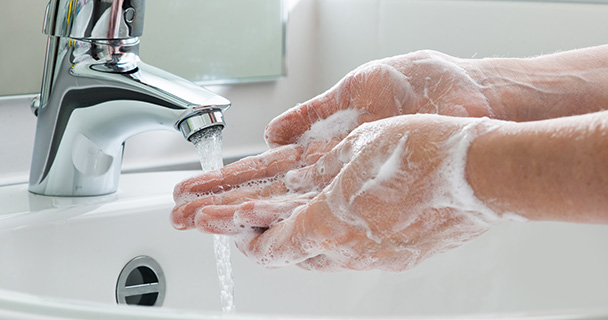
Use National Handwashing Awareness Week to reinforce hand hygiene, a core infection-prevention protocol that cuts the spread of germs and viruses.
"Wash your hands before dinner."
It's something most everyone heard growing up, and with good reason—clean hands are much less likely to spread germs and viruses to everything with which they come into contact. Hence, the importance of National Handwashing Awareness Week.
It's hard to overstate that personal hygiene begins and ends with our hands. And not just before meals, but throughout the day, especially if we are ill ourselves or around sick people. If you're in healthcare, especially in direct contact with patients, it's imperative to maintain a strict hand-hygiene regimen.
Though it sounds complicated, it's anything but. Here are some tips for getting hand cleanliness right:
Be thorough: Wash your hands with soap and clean water for at least 20 seconds. Get a good lather going and clean the back of the hands, between the fingers, and under the nails. Dry them using a clean towel.
Complete Five Steps: The Centers for Disease Control and Prevention calls handwashing "a do-it-yourself vaccine" and suggests five easily remembered steps:
Learn the Four Principles of Hand Awareness: These come by way of the American Medical Association and American Academy of Family Physicians, and include:
Wash your hands when they are dirty and before eating
It's easy to think of handwashing as something that's a good habit, but not all that important when compared to other illness-prevention measures. Easy, but wrong. According to the Centers for Disease Control, handwashing can prevent one in three diarrhea-related illnesses and one in five infections, including the flu. About 1.4 million children under age 5 die from diarrheal diseases and pneumonia—the two most deadly afflictions for children worldwide.
Handwashing supports overall health when done consistently.
Also, it's safe to assume that if you're not mindful of handwashing, neither are the people around you. And the stats back that up: The CDC also reports that only 31 percent of men and 65 percent of women washed their hands after using a public restroom. And consider this: A typical human sneeze exits the body at about 200 miles per hour and emits around 40,000 droplets into the air. So, do you want to shake the hand that just covered a sneeze?
No soap and water? Be prepared.
As a backup, keep some hand sanitizer nearby. It's sold in small, portable dispensers, easy to slip into a purse or briefcase, or clip to a backpack. It should at least 60 percent alcohol. Still, keep in mind that sanitizers do not get rid of all types of germs, may not be as effective when hands are visibly dirty or greasy, and might not remove harmful chemicals from hands like pesticides and heavy metals.

Mentoring new graduate nurses takes balance: not too much help, not too little. Learn three guidelines for successful nurse mentoring.
No role in the hospital is more essential for providing high quality care than nurses. That makes getting new nurses up to speed to provide care more important than ever. Newly hired nurses, whether they are fresh out of college training programs or veteran clinicians, need to be fully competent and engaged in all patient care processes soon after they are hired, to ensure that hospitals can continue to meet quality and patient experience objectives. The hospital culture typical in American healthcare calls for high performers who have the skills and confidence to work well in diverse environments, manage complex technologies and medical equipment, as well as deliver high-touch patient care. Bringing new nurses up to speed in this dynamic care environment is a challenge to be sure, but it is imperative as Value-Based Purchasing and pay-for-performance programs become the standard across government and commercial payers, respectively.
The Importance of Preceptors
One of the best ways a hospital can prepare new nurses for the rigors of their job is by offering an advanced onboarding process that is anchored by a nurse preceptorship program. These kinds of programs are custom designed to quickly and thoroughly assess knowledge, attitudes, and skills; develop and teach targeted competencies; and help the new recruit assimilate into the social fabric of the organization. Because nursing and teaching roles require very different skillsets, advanced preceptorships include a formal framework in which the preceptors themselves go through training so that they are fully prepared to translate their extensive bedside experience into an organized, yet easy-to-follow learning experience.
Advice for Mentoring a First-Time Nurse
HealthStream partner NurseGrid is an organization that is working to change healthcare from the inside out, by creating technologies that support staff on the frontline of healthcare. Their recent blog post, "How to Mentor a First-Time Nurse," focused on the balancing act required to be a successful nursing mentor, neither providing too much assistance or too little in the effort to grow new nurses into clinical professionals who can make the bold decisions sometimes necessary to provide great, supportive patient care. Their advice for mentoring new nurses came down to three important principles:
Find further reading on nurse mentoring and learn more about HealthStream Clinical Development Solutions

Celebrity HIPAA breaches show why insider threats matter. Learn how healthcare compliance training helps address privacy violations by employees.
The privacy of personal health records is governed by the Health Insurance Portability and Accountability Act, known throughout the healthcare world as HIPAA, signed into law in 1996. In the years since, HIPAA has become one of the most widely cited and discussed regulations in healthcare compliance.
Much External Vigilance
Much of the recent focus on HIPAA and threats to protected health information and data has been external, alerting providers and staff to criminal entities wanting access to large amounts of individual data, gained by breaches of cybersecurity. For example, the U.S. Department of Health & Human Services recently released guidance titled "Ransomware and HIPAA." Ransomware locks up a computer or network to prevent access to data until a ransom, usually demanded in Bitcoin, is paid. Hospitals are the perfect mark for this kind of extortion because they provide critical care and rely on up-to-date information from patient records. Without access to medical histories, drug usage, surgery directives, and other information, patient care can get delayed or halted, which makes hospitals more likely to pay a ransom rather than risk delays that could result in death and lawsuits.
Ransomware has the potential to expose patients' Protected Health Information (PHI). PHI is at the center of HIPAA regulation, and any release of PHI is a potential HIPAA violation, even when it occurs due to nefarious and illegal acts of outside 3rd parties. Ultimately every healthcare facility is responsible for safeguarding the health information of its patients.
Insider HIPAA Threats
Importantly, while large-scale data breaches are the work of cyberattacks from outsiders, insider threats also are a danger to healthcare organizations. Even though the scale of these violations is nowhere similar, the damage to reputation and resulting fines can be significant. These undeniably illegal breaches often occur related to famous people. Typical situations involve hospital employees who "access records outside of their traditional job duties—especially if hospital patients are high-profile individuals or celebrities" (Becker's Health IT & CIO Report, 2015).
According to Etactics.com, "there is a fine line between finding out that a celebrity checked into a hospital and digging through their medical records" (Moneypenny, 2019). The same website has compiled a list of 20 reported celebrity HIPAA violations that demonstrate another important element of healthcare privacy about which staff at every level of a medical facility must be trained.
The same article shares that since 2003, when Dr. Huping Zhou " received a four-month sentence and $2,000 fine" for illegally viewing "medical records of celebrities and high-profile patients," in violation of HIPAA, the list of celebrities whose privacy has been violated keeps growing. For example, healthcare staff has been implicated in criminally accessing and sometimes selling information about:
It's important to remember that like all the rest of us, famous people have a legal right to privacy and to controlling information about their healthcare. Being well-known changes nothing about how medical records are protected under HIPAA.
Use Training to Create a Culture of Compliance
An August 2019 FierceHealthcare article details the findings from a Kaspersky survey of North American healthcare staff about healthcare privacy. Results showed " nearly 1 in 5 respondents (19%) said there needed to be more cybersecurity training by their organization." More alarmingly, "nearly a fifth of U.S. respondents (18%) reported they did not know what the HIPAA security rule meant" (Landi, 2019).
These sobering statistics serve to remind us of the importance of regular compliance training—the kind that changes behaviors and helps to communicate the commitment to compliance of top leadership, to influence the overall culture of your organization. Providing compliance training is a way to ensure your business is conducted ethically and within the boundaries of the law, and it reinforces your organization's good reputation. Educating your organization also demonstrates a proactive approach to the detection and prevention of unlawful activity.
Importantly, compliance training should impart individual responsibility that reinforces the obligation to be a good corporate and organizational citizen and to be accountable. Training should help employees apply complex laws and regulations to their daily work, and it should include how they can access your policies and procedures for guidance. What can make HIPAA training much more meaningful is to provide examples of illegal or suspicious behaviors that illustrate the kinds of things that you want reported. Violations involving celebrities deserve to be one of these examples.
References
Becker's Health IT & CIO Report, "7 celebrity data breaches: When employees snoop on high-profile patients" 12/11/2015, retrieved at https://www.beckershospitalreview.com/healthcare-information-technology/7-celebrity-data-breaches-when-employees-snoop-on-high-profile-patients.html.
Landi, H., "Survey finds alarming number of healthcare workers have not had cybersecurity training," FierceHealthcare, August 21, 2019, Retrieved at https://www.fiercehealthcare.com/tech/despite-ongoing-cyber-threats-32-healthcare-employees-never-received-cybersecurity-training.
Moneypenny, M., "The Ultimate List of Celebrity HIPAA Violations You Won't Believe
The Ultimate List of Celebrity HIPAA Violations You Won't Believe," June 24, 2019, Retrieved at https://www.etacticsinc.com/blog/celebrity-hipaa-violations.
Access our article Building an Indestructible Healthcare Compliance Training Program.





