Explore expert insights from HealthStream on healthcare compliance, credentialing, clinical education, scheduling, and leadership. Find practical guidance to help healthcare organizations train, retain, and support their workforce.
Practical insights on healthcare compliance, workforce development, and clinical education from the experts at HealthStream.

Explore the alarming impacts of climate change on public health and learn how the healthcare sector can respond effectively. Act now.
As healthcare continues to evolve at breakneck speed, staying ahead of the curve is crucial for leaders. HealthStream's annual white paper, authored by industry expert Robin Rose, MHA, identifies the top ten trends poised to reshape the landscape in the coming year. This blog series delves into each trend.
Climate change is no longer a distant threat; it's a present-day reality impacting our health in significant ways. From heat stress and air pollution to the spread of infectious diseases, the environment is throwing unprecedented challenges at public health systems worldwide.
The Growing Impact of Climate Change on Health:
The Need for Urgent Action:
The Pan American Health Organization (PAHO) paints a sobering picture: an additional 250,000 deaths per year in the next decade due to climate change, and millions more left without access to healthcare following disasters (PAHO, 2023).
The healthcare sector needs to urgently adapt to the growing challenges of climate change. This requires:
The health sector has a critical role to play in addressing the challenges of climate change. By working together, we can build a more resilient and sustainable future where everyone has access to the healthcare they need, regardless of the environmental challenges they face.
Ready to embrace the future of healthcare?
Unlock your organization's potential with HealthStream's expertise. Contact HealthStream today!
Sources:
Pan American Health Organization (PAHO), "Climate Change and Health," World Health Organization, 2023, www.paho.org/en/topics/climate-change-and-health.
Learn how the distinct learning styles of Gen Z are influencing healthcare training programs. Upgrade your methods to engage the next generation.
As healthcare continues to evolve at breakneck speed, staying ahead of the curve is crucial for leaders. HealthStream's annual white paper, authored by industry expert Robin Rose, MHA, identifies the top ten trends poised to reshape the landscape in the coming year. This blog series delves into each trend.
For years, healthcare training focused on the needs of Millennials, the dominant generation in the workforce. However, a new generation is now entering the workforce: Gen Z, born between 1995 and 2010. Though only a few years separate them from Millennials, rapid technological advancements have significantly shaped their learning preferences.
Here's what makes Gen Z learners unique:
In 2024 and beyond, expect to see increase adoption of these strategies through healthcare LMS's as businesses strive to engage and retain Gen Z employees. By understanding their learning preferences and providing modern, interactive training programs, healthcare organizations can effectively onboard and empower their youngest generation of talent.
Ready to embrace the future of healthcare?
Unlock your organization's potential with HealthStream's expertise. Contact HealthStream today!

Telehealth 2.0 goes beyond video visits to remote monitoring and more. See why it's here to stay in HealthStream's annual healthcare trends white paper.
As healthcare continues to evolve at breakneck speed, staying ahead of the curve is crucial for leaders. HealthStream's annual white paper, authored by industry expert Robin Rose, MHA, identifies the top ten trends poised to reshape the landscape in the coming year. This blog series delves into each trend.
The COVID-19 pandemic propelled telehealth from a rarely used tool to a preferred way to receive care, seemingly overnight. But with the pandemic fading, many questioned its staying power.
Today, however, the convenience and comfort of telehealth are proving to be in high demand. Once patients try a telehealth medical appointment, they are reluctant to give up this option for routine care. In fact, telehealth is expanding in ways patients and healthcare professionals would have never considered before.
The latest version of telehealth is being called Telehealth 2.0. It goes far beyond simple video calls to encompass a wide range of services, including:
The benefits of Telehealth 2.0 are numerous, including increased access to care, improved patient outcomes, and reduced healthcare costs.
Telehealth is also attracting new players, diversifying the landscape of primary care. Initially, telehealth was the purview of traditional medical practices, but it is now being adopted by:
The influx of new players into the telehealth space is driving innovation and competition, which is ultimately benefiting patients.
With its numerous benefits and growing popularity, telehealth is poised for continued growth in 2024 and beyond. The scope and impact of telehealth will continue expanding, making healthcare more accessible, personalized, and efficient for everyone.
Ready to embrace the future of healthcare?
Unlock your organization's potential with HealthStream's expertise. Contact HealthStream today!
Sources:
Gen-AI, virtual assistants and digital twins are transforming healthcare. Explore this trend from HealthStream's annual white paper by Robin Rose, MHA.
As healthcare continues to evolve at breakneck speed, staying ahead of the curve is crucial for leaders. HealthStream's annual white paper, authored by industry expert Robin Rose, MHA, identifies the top ten trends poised to reshape the landscape in the coming year. This blog series delves into each trend.
The healthcare industry is on the cusp of a major transformation, driven by a wave of new technologies that are poised to have a profound impact on the way we deliver and receive care.
Here are three promising innovations that are paving the way for a more efficient, personalized, and patient-centric healthcare experience:
Imagine a world where doctors can effortlessly capture patient information and generate comprehensive medical notes, all with the help of AI. Gen-AI technology, powered by deep learning algorithms, makes this vision a reality.
Clinicians using the Gen-AI platform simply record patient visits using a mobile app. The platform automatically
This transforms dictation into a structured note with a natural conversational flow, saving valuable time and effort.
Once the visit is complete, the clinician can review the AI-generated notes on a computer, making any necessary edits via voice or text before submitting them to the patient's electronic health record (EHR). This near-instantaneous process eliminates the need for manual note-taking and administrative work, freeing up doctors and nurses to spend more time with their patients.
Ever wished you had a personal assistant dedicated to managing your healthcare needs? Virtual care assistants are making this a reality. Similar to popular voice-activated assistants like Alexa and Siri, these AI-powered tools can help patients with a variety of tasks, including:
By handling these administrative tasks, virtual care assistants free up valuable time for healthcare professionals, allowing them to focus on providing personalized care to their patients.
Imagine having a virtual replica of your body that can predict how you will respond to different treatments and procedures. This is the promise of digital twins, sophisticated virtual models of human organs, tissues, and cells.
These models are continuously updated with real-time data from various sources, including medical records, wearable sensors, and genetic information. This allows them to accurately reflect an individual's unique health conditions and predict how their body will react to different treatment options.
With the help of digital twins, healthcare professionals can:
Digital twin technology has the potential to revolutionize healthcare, leading to more effective, individualized care and improved patient outcomes.
These are just a few examples of the many exciting new technologies transforming the healthcare landscape. As these technologies continue to evolve, we can expect even more innovative ways to deliver care and improve patient outcomes.
Ready to embrace the future of healthcare?
Unlock your organization's potential with HealthStream's expertise. Contact HealthStream today!

See how HealthStream's investment in ShiftWizard, a fast-growing healthcare scheduling solution, drove a year of innovation and better staff scheduling.
A strategic investment, paving the way for enhanced healthcare scheduling solutions
HealthStream®, a leading provider of healthcare workforce solutions, is proud to announce another year of strategic investment in ShiftWizard™, the fastest-growing healthcare scheduling system. This investment underscores HealthStream's commitment to help healthcare organizations streamline everyday tasks while improving performance, engagement, and safety—fostering a workplace where people flourish and care thrives.
Since HealthStream acquired ShiftWizard in 2020, the impact on healthcare leaders, managers, and staff has been transformative. In 2023, HealthStream has diligently advanced this cutting-edge technology, primarily focusing on refining the product and introducing innovative modules like Acuity and Assignment Manager. These improvements have worked to streamline the scheduling process and enhance patient-staff alignment for healthcare systems of every size, contributing to an overall improvement in the quality of life for healthcare professionals and patients.
In 2023, HealthStream invested substantially in ShiftWizard, bringing all software development in-house and combining all credentialing and scheduling, including ShiftWizard, to form the company's Enterprise Applications Solution group. Michael Sousa has been appointed Executive Vice President of Enterprise Applications. In his 18 years with HealthStream, Sousa has been instrumental in the nationwide growth of HealthStream, as well as successfully building and leading the CredentialStream® business. Alongside this milestone, HealthStream has expanded its ShiftWizard workforce, appointing Purti Barve as the Vice President of Software Development and welcoming a team of eight new developers, four developers, and two designers—with plans to add two more developers this year.
Sousa expressed the significance of this investment, stating, "By assembling a highly skilled and dedicated team, our strategic investment in ShiftWizard reflects our commitment to advancing the nursing profession. The enhancements introduced through ShiftWizard represent a significant opportunity for optimizing scheduling processes and providing managers with a streamlined workflow. Moreover, the improvement to the calendar app empowers nurses to effortlessly manage their schedules on the go. This innovative platform is a central hub for communication, fostering increased engagement, mitigating burnout, and ultimately contributing to enhanced retention rates."
HealthStream is also excited to announce a series of strategic investments in the ShiftWizard mobile product. The vision for 2024 included multiple releases and mobile app optimizations for Android and iOS platforms. These improvements enhanced the overall user experience, increasing the product's efficiency and accessibility.
Furthermore, HealthStream recognizes the importance of the mobile nurse experience in today's fast-paced healthcare environment. Additional resources will be allocated to this endeavor, accelerating the release of new features and enhancements.
"Our commitment to evolving with the healthcare industry and the needs of healthcare professionals remains unwavering, and we are confident that these investments will significantly improve the lives of users," said Sousa.
In addition to the mobile application, ShiftWizard has expanded its capabilities by introducing the Acuity and Assignment Manager module. These tools provide a comprehensive view of staffing needs and allow for better management of patient acuity levels, ensuring that staff are correctly assigned to patients based on their specific needs. This improves patient outcomes and employee satisfaction by reducing burnout and improving work-life balance.
The remarkable advancements and innovations introduced by ShiftWizard have earned HealthStream the prestigious 2023 Workday Partner Innovation Award for Advanced Staff Scheduling Integration for Healthcare. Workday, a leading provider of streamlined financial, human capital, and information management software, acknowledges ShiftWizard's seamless integration as instrumental in elevating healthcare professionals' experiences nationwide.
In addition to this industry accolade, ShiftWizard achieved substantial growth in 2023, with a 153% increase in subscriber growth. They also successfully transitioned four organizations from HealthStream's legacy scheduling solution, ANSOS, including a large healthcare system encompassing 45 hospitals.
In the healthcare landscape where 80% of organizations rely on outdated communication methods, such as text messages or pagers, HealthStream remains committed to pioneering new solutions. By enhancing communication, improving visibility, and increasing staff efficiency, HealthStream is dedicated to leveraging ShiftWizard to positively impact the lives of healthcare staff and patients.
Recognizing the dynamic nature of healthcare, HealthStream implemented monthly product releases for the ShiftWizard application; furthermore, in 2024, the company will introduce weekly hotfixes, underscoring its commitment to continuous improvement. These enhancements are designed to bring unparalleled convenience and usability to the ShiftWizard platform, delivering substantial benefits to healthcare professionals and organizations nationwide.
Sousa emphasized, "ShiftWizard already boasts a wide range of features that have significantly improved the lives of healthcare facilities. We aim to leverage this innovation and apply it directly to the solution, elevating crowdsourced enhancements, flexibility, and efficiency for all those who rely on the power of ShiftWizard."
Furthermore, HealthStream has introduced hStream for Scheduling, a comprehensive platform enabling users to access integrated benefits and capabilities within the hStream ecosystem. Additionally, this innovative platform fosters collaboration through a robust online community, facilitating discussion and shared learning among customers, employees, and industry experts to enhance the overall effectiveness and experience of the platform. In 2024, hStream for Scheduling will enable the introduction of power data visualizations and benchmarks proprietary to ShiftWizard clients.
HealthStream is excited to embark on this journey of innovation and improvement for ShiftWizard. Through the elevation of this advanced scheduling solution, HealthStream remains dedicated to providing healthcare professionals with an even more advanced, user-friendly, and efficient scheduling solution.
HealthStream is the leader in healthcare workforce solutions. We help organizations work better by helping their people work smarter.
HealthStream provides the leading learning, clinical development, credentialing, and scheduling applications delivered on healthcare's #1 platform. We streamline everyday tasks while improving performance, engagement, and safety—fostering a workplace where people flourish, and care thrives.

Discover how CredentialStream refines health plan management, helping plans meet today's healthcare challenges with streamlined, technology-driven processes.
The current healthcare landscape is an ever-evolving terrain, marked by technological advancements, increased demand for quality care, and a slew of challenges. As healthcare spending continues to rise, individuals and health plans recognize that the need for innovative solutions has never been more apparent. The relationship between payers and providers continues to evolve with shifts in 2023 that focus on enhancing the digital experience and streamlining processes. CredentialStream® by HealthStream®, a cutting-edge provider data management solution, is poised to transform the way health plans operate by offering a complete solution for requesting, collecting, and verifying provider information, and ensuring excellence in healthcare services.
The competition among health plans in today's market has never been greater. Health plans utilizing outdated technology lack the ability to keep up with the evolving market conditions and fall short of contending with their tech-savvy competitors. Competition is fierce, and health plans face many challenges that include:
CredentialStream is at the forefront of addressing these challenges, offering health plans the technology needed to thrive. Here's how CredentialStream can help:
Today's health plans must continuously innovate in a healthcare landscape rife with challenges. By automating and streamlining the credentialing process, ensuring compliance, and enhancing data accuracy and interoperability, CredentialStream empowers health plans to deliver excellence in care and navigate ongoing challenges with confidence. To learn more about managing health plan business demands with CredentialStream, request a demo here!

Discover the benefits of Workforce Validate for efficient license verification and compliance tracking. Enhance your workforce management strategies today.
This blog is taken from a recent HealthStream webinar entitled Workforce Validate: A Smarter, Safer Way to Monitor Your Workforce. The webinar was focused on HealthStream's Workforce Validate, a one-stop shop for license monitoring and verification.
The webinar featured Daniel Pawlus, HealthStream's Senior Manager of Digital Events, Tom Emberson, Vice President of Sales, Channel Development and Jackson Warrick, Regional Account Manager.
Emerson began with an overview of Workforce Validate. He encouraged HealthStream customers to unlock all of the power of hStream - the platform that is the foundation for HealthStream solutions. Being an hStream subscriber comes with many benefits, one of which is Workforce Validate. Emberson explained that Workforce Validate is an automated, ongoing license verification, certification verification, and exclusion monitoring solution. HealthStream has offered this validation solution for more than 20 years. While it began with physicians, the solution has now expanded to include nurses and other healthcare providers which has resulted in HealthStream completing 200 million verifications each year.
He went on to explain that Workforce Validate incorporates primary source verification, but that it also integrates seamlessly with other HealthStream solutions. It also leverages data that customers are already providing, including the demographic files that are essential to license verification. "The implementation process for Workforce Validate is expedited simply by leveraging the data that is already provided to HealthStream," said Emberson. He encouraged hStream subscribers to take advantage of Workforce Validate as license verification is free to those users.
Warrick shared Workforce Validates' automated process scours hundreds of boards across all 50 states and across 50 disciplines. The verifications are essential for regulatory purposes and Workforce Validate provides an accurate and efficient means of documenting those verifications for regulators and accrediting bodies. Warrick explained that the solution provides an electronic verification record for each verification performed. It includes key data points that are essential to surveyors including:
Warrick also explained that if a surveyor is concerned that the verification was done electronically rather than by using paper, HealthStream is standing by to walk that surveyor through the process of electronic verification to ensure they feel confident in the process.
He went on to explain that the monitoring process is continuous. It includes alerts and notifications that help leaders to focus on licenses that need immediate attention.
Workforce Validate is also able to integrate seamlessly with other HealthStream solutions. HealthStream customers will have already created a demographic file that includes names, email addresses, key demographics, and supervisory information, making implementation efficient and painless. In addition, HealthStream can help assess the organization's demographic file to determine what, if any, additional information would be needed to implement Workforce Validate.
At least part of unlocking the power of hStream means unlocking the kind of reporting that serves to inform a culture of compliance. Users will find an interactive dashboard right on the homepage for Workforce Validate. It includes data on how many people are actually being tracked in the tool and also includes some pre-built, live reports that can be accessed at any time. Users will find three key reporting features:
In addition, there are many other reporting features - some reports are pre-populated and ready to use and others are configurable by the user to address areas of specific or unique concern.
Reports can be prepared at the global level, but they can also drill down to specific disciplines, states, etc. They can also drill down to the individual level. The reports are prepared on a regular cadence, but users may create reports on a cadence of their choosing as well. In addition, users may create their own templates to easily export data to other leaders.
Awareness is key to a culture of compliance and HealthStream has created email alerts that provide high-level summaries of licensing status including those that are expiring in the next 90 days, those that have already expired, and any sanctions. This email will arrive each Monday morning. These weekly reports can also be emailed to leaders that do not already have access to Workforce Validate.
In addition, staff members with licenses due to expire soon will receive an email 45 days prior to expiration. That same notification can go to supervisors. Workforce Validate can also integrate with the My Team application. In addition to tracking learning assignments and other tasks, this dashboard is also able to report employees with expiring licenses and continue to update that information in real time.

Learn the key traits of leaders who adapt and succeed in an evolving workforce. Cultivate the skills needed for tomorrow's challenges.
The World Economic Forum's Future of Jobs Report 2023 presents a unique picture of what the workforce might look like over the next five years. Here are three key findings from the report to note as your organization prepares for the future:
Developing and nurturing key leadership competencies will help organizations cultivate a strong pipeline of leaders who can drive innovation, adapt to disruption, and guide their teams to sustainable success. Learn how to build a scalable coaching program in your organization.
According to the World Economic Forum (WEF), eight of the top 10 skills that will be required at work in 2030 are coachable personal and interpersonal skills.
And while your organization may have its own idea of the specific competencies required to lead in your industry, here are the leadership competencies that most future-fit leaders will share:
Analytical Thinking
Analytical thinking empowers future-fit leaders to understand, assess, and respond to the dynamic challenges and opportunities that arise due to disruptions in skills, technology, and markets. By honing their analytical thinking skills, your organization's leaders can navigate uncertainty with confidence and guide your business toward success.
Creative Thinking
Creative thinking equips future-fit leaders with the tools to navigate uncertainty, drive innovation, and envision a path forward in complex and ambiguous situations. It allows them to transcend traditional boundaries and cultivate a culture of exploration and growth within your organization.
Resilience, Flexibility, Agility
Resilience, flexibility, and agility create a well-rounded skill set that equips future-fit leaders to thrive amidst uncertainty and disruption. Resilience means adapting to change, managing stress and maintaining well-being, and understanding the emotions of yourself and your team. Flexibility is being open to new ideas and diverse perspectives and exploring multiple solutions to problems. Agile leaders can make informed decisions quickly, even in ambiguous situations. They prioritize learning and growth and empower their teams to take ownership of tasks and make decisions.
Motivation and Self-Awareness
Motivation and self-awareness contribute to a leader's ability to inspire, adapt, and foster a positive work environment, ultimately leading to improved performance and sustainable growth. Motivated leaders inspire others, persevere, encourage creative thinking and risk taking, and align their team's efforts with organizational goals. They understand their communication style and how it impacts others, recognize their own biases, and actively seek feedback.
Curiosity and Lifelong Learning
Future-fit workers are curious. They are open to acquiring new knowledge and skills, seeking out diverse perspectives and unconventional solutions, and critically examine situations by asking probing questions. They tend to lead by example, adapt well to uncertainty, and develop strong skills in discerning credible information from noise.
Dependability and Attention to Detail
Dependability and attention to detail are vital skills for future-fit leaders because they contribute to building trust, ensuring quality, and maintaining organizational efficiency in a rapidly changing and competitive environment. Leaders who carefully analyze details are better equipped to spot vulnerabilities or potential risks in projects, strategies, or operations.
Empathy and Active Listening
Empathy and active listening are crucial skills for future-fit leaders because they foster strong relationships, effective communication, and a deeper understanding of the diverse perspectives that drive modern workplaces. As organizations become more globally interconnected and diverse, leaders who possess these skills can create inclusive environments, enhance collaboration, and navigate complex challenges with sensitivity and insight.
Leadership and Social Influence
Leadership and social influence enable individuals to guide organizations through change, inspire their teams, and drive positive impact in an increasingly interconnected and dynamic world.
Blog Content provided by Skillsoft Corporation

Learn how video-based e-learning helps healthcare teams do more with less. See how HealthStream delivers transformative education in this webinar recap.
This blog is taken from a recent HealthStream webinar entitled "The Power of Video: How HealthStream Provides Transformative E-Learning." The webinar was moderated by HealthStream's Daniel Pawlus, Senior Manager of Digital Events and featured speakers:
Over the past decade, video has emerged as an essential part of how healthcare leaders teach, train and communicate the vast amounts of complex and changing information in their fields. Increasingly, it is the preferred way of learning and it has been shown to optimize long-term retention. So, how should healthcare organizations integrate the power of video into their education programs?
Pawlus began by sharing a powerful customer success story from Hawai'i Pacific Health. The organization chose a particularly challenging time to implement HealthStream's Media Center. They implemented the program during the pandemic and had the program up and running within three weeks. More impressively, the program yielded life saving results within just eight months.
Bridget Lai, MEd, BSN, RN, MED, BSN, RN Associate Director, Clinical Education shared that during the pandemic, Hawai'i Pacific Health needed to implement extracorporeal membrane oxygenation (ECMO) training to supplement the limited availability of ECMO in their service areas. Hawaii had among the most stringent lockdown requirements in the country which made in-person training nearly impossible.
Eliminating the need for most in-person training was a critical success factor. Also, classroom space is at a premium on the islands and scheduling nurses and physicians for training had always been difficult and had been made much worse by the pandemic. Ultimately, 13 lives were saved as Hawai'i Pacific Health was now able to offer ECMO to those patients where it would have previously been unavailable.
HealthStream's Media Center makes video hosting simple. Andress explained that the Media Center can help users leverage on-demand learning with training videos that have already been recorded. While media may currently be growing stale while sitting on a SharePoint site, they are not adding value to the organization's learning strategy. The Media Center is an opportunity to streamline the material and create more engaging learning opportunities. Creating more engaging content can help drive learners to that content and the Media Center makes it easy for users to create that engaging content.
Sisselman went on to share some of the statistics that highlight the importance of video in a healthcare organization's learning strategy. He shared that 88% of healthcare organizations use video broadcasting, webcasting, or virtual classrooms to train their employees indicating a wide level of adoption for the practice. Perhaps more importantly, video learning is effective - 95% of a message is retained when watched in a video and 75% of employees are more likely to watch a video than read text.
Sisselman also pointed out that HealthStream offers several different video authoring packages depending on a customers' needs.
Andress demonstrated some of the Media Center's key features beginning with the media library feature. From the media library, users are able to upload and edit content, add quizzes to confirm comprehension, and fully embed those videos into the HealthStream Learning Center. Because videos are stored in the media library, learners will not need to launch outside applications such as Vimeo or YouTube, and leaders can be confident that employees are accessing safe, accurate and reliable information.
Media Center also provides data that provides insights into who is watching the videos, how much of the video are they watching, how the video is accessed (phone, tablet, desktop, etc.) and whether or not they are skipping portions of the video, and if and when they are dropping off.
Small, easy-to-digest segments of training work best and users are able to easily edit videos to create more digestible bits of learning or to simply eliminate material that is no longer applicable.
Users are also able to add captions - a feature that is useful for users with hearing difficulties or for employees who may not have computers with speakers or cannot use them where they work. The caption feature is both easy to use and can be edited when necessary.
Organizations are also able to upload previous recordings including videos from Zoom, Microsoft Teams, or any other videos that have been saved in an MP4 or MOV format. In addition, audio files and photos can also be uploaded. Users may also include videos within a HealthStream test bank so that students can answer questions based on what they have learned in the video.
Users will also be able to name and tag the video to make it searchable and they will also find it easy to add collaborators. Once a video has been uploaded, users will be able to assign that video and then track various metrics associated with that video.
Creating high-quality video learning that is creative and engaging, and provides safe, effective content can be a challenge. HealthStream's Media Center makes it easy to provide trusted content to your staff. Moreover, Media Center provides video analytics that help users understand the levels of viewer engagement as well as quizzes that help demonstrate comprehension. If you would like to learn more about how to provide your staff with engaging content in the most preferred form of learning, contact HealthStream today.

Explore empowering strategies that enhance staff capabilities and improve financial practices centered around patient care. Boost your revenue cycle now.
This blog is taken from a recent HealthStream webinar entitled "Mind the Gap: Bridging Revenue Cycle Success with Cutting-Edge Staff Education." The webinar was moderated by HealthStream's Caroline Acree and featured:
In this webinar, HealthStream and FinThrive shared how to prioritize patient care using education to drive fiscal success. As healthcare organizations face significant challenges such as shrinking revenue, staff shortages, decreasing retention rates and increasing burnout, healthcare organizations need strategies that will empower employees with the knowledge and skills they need to support a patient-centered financial model.
Most healthcare leaders will be very familiar with the concept of patient and family centered care, but may be less familiar with revenue management practices that embrace those concepts. Wiik began by pointing out that nearly one-third of the healthcare workforce has turned over within the last two to three years which has resulted in a loss of institutional knowledge and higher levels of attention being focused on what employees truly need in order to be successful in their work. Wiik discovered early on in his healthcare leadership career that many employees believed they did not know everything that they needed to know in order to do their jobs; which was understandable given the level of complexity involved in healthcare finance.
The speakers agreed that patient-centered financial practice begins with a staff-centered approach that can lead to better, more productive patient interactions, and improved fiscal performance.
Wiik acknowledged that navigating the hospital process is far from easy for patients. Staff members, who may also struggle with that process, need to help ensure that the process for patients is as pleasant, easy, convenient, and accurate as possible. Developing staff so they can better educate patients results in revenue cycle improvements. Educating patients about the financial aspects of their healthcare can only happen when staff are well-educated and confident on the topic.
Ottinger described the typical revenue cycle as siloed and recommended educating everyone in the revenue cycle process so that they can develop a better understanding of how their actions impact what happens downstream of their departments and ultimately how that impacts the patient. This approach ensures a better experience for staff and patients, results in more accurate documentation and coding, improved employee and patient satisfaction and a reduction in denial rates. Wiik also pointed out that an empowered, confident, and competent staff make significant contributions to patient satisfaction and to the bottom line.
The presenters acknowledged that labor shortages have created a significant challenge for healthcare leaders who wish to integrate education into their revenue management practices. Having the time to create or consume this education is more of a challenge right now. Ottinger recommended that organizations address this challenge by working with an education partner. The education partner can develop a career ladder for the team, provide relevant and engaging content, and do the work required to stay abreast of new and emerging regulatory issues. They can also provide individual assessments that will help determine what material each employee needs and what they don't so that staff are not wasting time on material they have already mastered. This approach can also improve retention by providing different growth tracks within the organization.
Wiik recommended effective measurement to quantify some key metrics.
Ongoing tracking of these can help demonstrate the effectiveness of education interventions and make it easier to measure the financial impact.
Ottinger shared that FinThrive uses technology in a number of ways. Technology is used to create individualized learning plans that are specifically targeted to opportunities for improvement rather than wasting time on material that the employee has already mastered. She also shared that it can replicate best practices to help employees work smarter and not harder. Wiik also added that it can help ensure that staff are working on value-added tasks and eliminating wasteful steps. Technology can also help hold payors more accountable as finance staff have easy access to the information that they need to file accurate claims and identify problems with denials.
Ottinger recommends that organizations begin with an assessment when implementing patient-centric revenue management education. For example, what current policies and procedures work well and which do not? That will allow leaders to identify where help is most needed and then introduce the appropriate education. In addition, it was recommended that leaders provide role-based education within the onboarding process to increase exposure to the importance of revenue management.
Presenters also stressed the importance of personal growth opportunities. Employees benefit from having a career ladder and the organization can experience reduced turnover, reduced denials, and improved efficiency. Leaders should also encourage the opportunity to practice newly-learned skills before staff are ever in front of a patient.
Education is key to creating patient-centered fiscal management practices. Contact HealthStream today to learn more about how to provide staff with the knowledge and skills they need to support a patient-centered model while reducing denials and costly reimbursement errors.

Learn how CredentialStream speeds telehealth onboarding and keeps compliance with credentialing-by-proxy capabilities.
Each year, HealthStream® conducts a comprehensive survey on Medical Staff Credentialing, aiming to capture evolving trends that inform the evaluation and management of credentialing operations. In the tumultuous year of 2020, otherwise known as the year of the COVID-19 pandemic, a distinctive trend emerged: the widespread adoption of telehealth. Notably, our 2021 survey revealed that 51% of respondents experienced a significant increase in the utilization of telehealth services during the preceding year.
Fast forward three years from the peak of the pandemic, and the popularity of telehealth is undeniable. Its numerous advantages are too significant to overlook, including heightened patient access, an expanded geographical reach for provider expertise, cost efficiencies benefitting both providers and patients, elevated quality of care, risk reduction, and more. However, despite the wealth of positives associated with the adoption of telehealth, it has not been without its challenges.
"Importantly, telemedicine has been shown to reduce the cost of healthcare and increase efficiency through better management of chronic diseases (which account for about 75% of healthcare costs); by allowing shared health professional staffing, reduced travel times, fewer admissions, and shorter lengths of stay."
Source: NAMSS-ATA Credentialing by Proxy Guidebook
The proliferation of telemedicine has brought about a surge in credentialing inquiries as a growing number of practitioners seek telemedicine privileges across multiple facilities. Consequently, this has placed new demands on today's Medical Services Professionals (MSPs). According to our 2022 survey on Medical Staff Credentialing, a significant portion—38.3 percent—of respondents reported that privileging telehealth providers was challenging. Nearly half (45.1 percent) of respondents attributed the challenges to the intricacies of evolving regulations and their dynamic nature. Furthermore, a shortage of both qualified staff (38.3 percent) and staff with adequate knowledge (25.4 percent) were also identified as key obstacles.
The fact is, conventional credentialing procedures are both burdensome and costly. Hospitals seeking to bring on telemedicine services for the benefit of their patients often grapple with insufficient personnel and a lack of specialized expertise to efficiently process the growing influx of telemedicine applications. In response to this challenge, MSPs are actively seeking innovative ways to minimize administrative overhead and ease the burden on providers. Enter Credentialing by Proxy (CBP), an emerging alternative process that streamlines the credentialing of telemedicine practitioners.
According to NAMMS, "Credentialing by proxy is a relatively new process by which hospitals using remote practitioners for telemedicine services can accept the remote hospital's credentialing work, rather than requiring the full traditional credentialing process for practitioners who may never step foot into that facility." Specifically, this allows the hospital receiving telehealth services (known as the "Originating Site" hospital) to rely on the privileging and credentialing decisions made by the hospital or entity providing the telehealth services (known as the "Distant Site" hospital or "Distant Site Telemedicine Entity" respectively), so long as certain requirements are met.
Credentialing by proxy (CBP) not only addresses the challenges faced by Originating Site hospitals responsible for credentialing functions but also benefits telemedicine practitioners striving to offer their services at these hospitals. In our recent 2023 survey on Medical Staff Credentialing, more than half (51.7 percent) of respondents reported actively utilizing CBP for telehealth providers.
The requirements and processes used to establish and implement a CBP program will differ from organization to organization. But to keep track of practitioners credentialed by proxy, Originating Sites need an efficient way to store and monitor data. This data may include the most updated practitioner roster, license verifications and privilege delineation, and agreement details/dates. Storing this data safeguards the organization and simplifies the process for presenting to an accreditor, should a survey include questions about telemedicine.
In response to the popularity of CBP, CredentialStream ® by HealthStream, has undergone significant updates. These recent enhancements focus on enabling a healthcare organization to effectively identify and store Distant Site Facility data and offer a mechanism for associating the Distant Site and relevant data fields to the Originating Site.
Highlights of Updated Features:
Telehealth is here to stay. CBP has the potential to dramatically increase the speed and efficiency of credentialing and privileging remote telemedicine practitioners, saving time and money, and providing easier, expanded care and services to patients. While there may be a learning curve to adopting the process, CredentialStream has the functionality needed to successfully launch and manage a successful CBP program at your facility. Contact us to learn more.
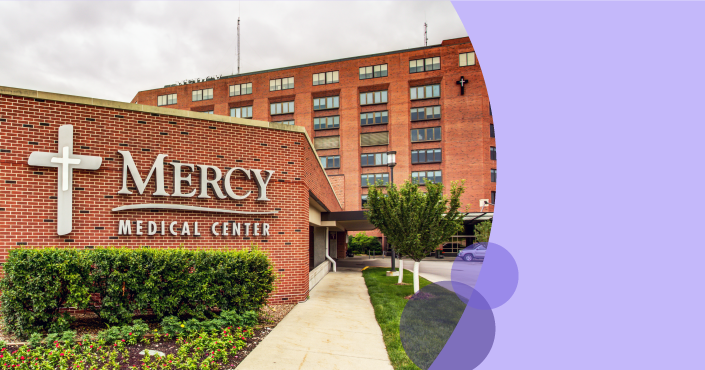
See how Mercy Medical Center in Cedar Rapids, Iowa moved to ShiftWizard after its HCM vendor phased out a product, improving integration and care quality.
When Mercy Medical Center in Cedar Rapids, Iowa discovered their Human Capital Management (HCM) vendor was phasing out their product, it prompted a thorough reassessment of all workforce applications and organizational needs. They aimed to find a solution that not only streamlined processes but also established a single source of truth. This strategic approach, aimed to enhance the quality of life for both leadership and staff, led them to ShiftWizard.
Taken from HealthStream's recent webinar, "Transforming Healthcare Scheduling with ShiftWizard and Workday," this insightful conversation between HealthStream's Solutions Consultant Manager, Terri Epler; HealthStream's Senior Director of Sales, Zach Shew; CrossVue's Healthcare Advisor, Laith Kosa; and Mercy Medical Center's Senior Business Systems Analyst, Josh Enloe, showcases everything that went into the decision-making process.
By leveraging Mercy Medical Center's existing systems, the ShiftWizard implementation team, in collaboration with CrossVue and Workday, formulated a comprehensive deployment plan. This plan aimed to establish a unified HCM suite for Mercy Medical Center, with a strategic focus on minimizing operational downtime, optimizing current resources, and enhancing the overall quality of life for both staff and patients.
The collaboration between ShiftWizard and CrossVue resulted in a unified scheduling framework that drives several operational improvements, including:
Kosa emphasized that the proven integration framework not only reduced maintenance efforts but also facilitated easier replication of processes. Furthermore, the real-time data exchange allowed leaders to seamlessly integrate employee data, information from cost centers, hours worked, and time-off requests.
When Enloe and his team began their search, they sought a solution that would address all their organizational needs, spanning staffing, scheduling, and operations optimization of resources. ShiftWizard's unified solution with CrossVue aligned seamlessly with these requirements.
The features and functionality of these solutions ultimately influenced the decision to implement ShiftWizard alongside Workday. ShiftWizard aggregates census information from their Electronic Medical Record (EMR) system, empowering leaders and managers with the ability to build dynamic schedules based on patient demand and staff information, inducing licensures, certifications, and seniority. The user-friendly interface and seamless information sharing enable real-time, data-informed decision-making based on current metrics and historical data.
Kosa continually pointed to the seamless bi-directional integration between ShiftWizard and Workday, highlighting Workday's role as a single source of truth for demographic information and a rules engine to help ensure payroll accuracy. This enabled their teams to spend less time on cumbersome processes and schedule management and more time on their top priority — delivering high-quality patient care.
In their pursuit of a new HCM solution, Enloe and his team were determined to find a solution that not only harnessed the capabilities of their existing applications but also significantly enhanced the overall well-being of leadership, staff, and patients.
"There's a big gap today in what organizations could be doing in terms of current capabilities," stated Enloe. "Right now, with Workday and with ShiftWizard's proven solution, there is a brighter future."
With the ever-growing healthcare staffing crisis, now is the time to make sure your scheduling solution is working to support your entire organization, from decision-makers to those on the front line.
ShiftWizard, designed for seamless integration with your current systems, enhances communication, improves visibility, and increases staff productivity. To learn more, click here.





